Categories
Health & Wellness Hearing Aids

Fixing Common Hearing Aid Problems: Universal Solutions Guide

Last Updated on 28/08/2025 by Admin

Comprehensive Guide to Hearing Aid Malfunctions and Solutions

Spotting Common Hearing Aid Issues Effectively

Recognizing the signs of malfunction in your hearing aids is key to preventing unnecessary frustration. Symptoms like feedback, static noises, or complete silence can indicate a malfunction. Feedback often presents itself as a high-pitched whistling sound, commonly caused by improper fitting or damage to the microphone or speaker. Static noises may suggest interference or accumulation of dirt within the device, while complete silence could simply result from a dead battery or wiring failure. Understanding these symptoms is crucial for effective diagnosis and timely correction.

Once you notice these symptoms, the first step is to conduct a thorough self-assessment. Begin by checking the battery; is it installed correctly and fully charged? Next, examine the device for any visible dirt or debris that could be causing interference. Additionally, adjust the fit of your hearing aids; improper placement can often lead to annoying feedback. This methodical process of elimination can frequently help identify the problem before you need to consult a professional.

  • Verify if the device is powered on and functioning.
  • Inspect the battery for any signs of corrosion or incorrect placement.
  • Gently clean the microphone and receiver ports to ensure clear sound.
  • Examine the tubing for any cracks or blockages that could impede performance.

What Are the Key Causes Behind Hearing Aid Malfunctions?

Identifying the root causes of hearing aid malfunctions is vital for effective prevention and repair strategies. The most common culprits typically include moisture, dirt, and battery-related issues. Moisture can infiltrate the intricate circuitry of hearing aids, especially in humid conditions or when exposed to sweat, leading to corrosion and the failure of internal components. Dirt and wax buildup represents another prevalent issue, obstructing sound delivery and significantly diminishing overall device performance.

Moreover, battery-related problems frequently contribute to malfunctions. Weak or dead batteries can prevent hearing aids from functioning entirely, while corrosion on connectors can result in intermittent sound or erratic performance. By understanding these causes, you can proactively mitigate issues before they arise and apply targeted solutions when problems do occur.

How to Effectively Diagnose Hearing Aid Issues at Home?

Diagnosing hearing aid problems at home can save both time and money. You don’t always have to rush to a professional; simple tests can clarify the situation. Start by checking the battery, ensuring it’s fresh and installed correctly. Next, listen for any irregular sounds while wearing the device. Remove and clean the hearing aid, paying particular attention to the microphone and receiver ports, to eliminate any potential blockages.

To further aid in your diagnosis, consider these practical steps:

  • Conduct a battery test using a tester or a spare battery.
  • Inspect all tubing for signs of blockages or damage that might affect performance.
  • Check for moisture buildup inside the device by using a specialized drying kit.
  • Test the fit of the hearing aids to ensure there are no gaps that could result in feedback.

Expert Recommendations for Resolving Common Hearing Aid Problems

How Can Professionals Assist with Hearing Aid Repairs?

Engaging professionals for hearing aid repairs guarantees that your device receives the attention and expertise it deserves. Experts offer precision and experience, providing adjustments that can significantly enhance performance. For instance, an audiologist can calibrate the settings based on your specific hearing loss, tailoring the device for optimal use. They can also identify and resolve issues that may not be obvious to the average user, such as internal wiring problems or software glitches.

For example, a patient experiencing consistent feedback might find it challenging to communicate effectively. A hearing aid specialist can analyze the device using advanced equipment, pinpointing the source of the feedback—be it a fitting issue or a damaged component. Their intervention can not only rectify immediate concerns but also prolong the lifespan of your hearing aid.

What Are the Best Practices for Hearing Aid Maintenance?

Maintaining your hearing aids is essential for ensuring they function optimally throughout their lifespan. Regular cleaning should become part of your daily routine, as dirt and moisture accumulation can lead to numerous problems. Use a soft cloth to wipe down the exterior, and consider investing in a specialized cleaning kit for internal components. Proper storage is equally crucial; always store your hearing aids in a dry case when not in use to shield them from humidity and dust.

Best practices include:

  • Daily cleaning to prevent the buildup of dirt and wax.
  • Storing the devices in a dry, cool environment, away from direct sunlight.
  • Regularly replacing batteries and seals as needed.
  • Scheduling routine check-ups with a professional for thorough inspections and maintenance.

When to Utilize Professional Services for Hearing Aid Issues?

Knowing when to seek professional help can prevent issues from escalating into more significant problems. While many minor issues can be resolved at home, complex problems often require expert intervention. If you experience persistent distortion in sound quality or your hearing aids fail to connect to other devices, it’s advisable to consult a specialist.

To find reliable services, begin by asking your hearing aid provider or audiologist for recommendations. Research online reviews to assess the reputation of service centers in your vicinity. Additionally, inquire about warranties or service plans offered by manufacturers, as these options can provide peace of mind and facilitate repairs when necessary.

Effective DIY Solutions for Hearing Aid Issues

Actionable Fixes You Can Perform on Your Own

Addressing minor hearing aid problems at home can be both straightforward and cost-effective. Many common issues can be resolved without the need for professional assistance, saving you both time and money. For instance, dead batteries are a frequent concern; always keep spare batteries readily available. Changing batteries is a simple process that typically takes just a few minutes. Similarly, if you notice a blocked sound path, gentle cleaning with a soft brush can often restore functionality.

Another easy fix involves adjusting the fit of the device. If your hearing aid feels loose or uncomfortable, refer to the fitting guidelines provided by your manufacturer. Tightening the fit can eliminate feedback and improve overall sound quality. By taking these small, proactive measures, you can ensure your devices function optimally and reduce the need for frequent visits to professionals.

What Tools Are Essential for DIY Repairs?

Equipping yourself with the right tools is essential for effective home maintenance and repairs. Basic tools can significantly aid in the upkeep and repair of your hearing aids. A small brush can effectively clean away earwax and debris from the microphone and receiver areas, while a wax pick is useful for removing stubborn blockages without damaging the device. Additionally, a drying kit is crucial for moisture control, particularly in humid climates.

Consider keeping the following essentials on hand:

  • A soft brush for daily cleaning and maintenance.
  • A wax pick for safely removing earwax and debris.
  • A drying kit to prevent moisture damage and maintain device integrity.
  • Replacement batteries for immediate accessibility when needed.

Safety Precautions to Follow During Home Repairs

Implementing safety measures while repairing your hearing aids is essential to avoid damage or injury. Always ensure that your workspace is tidy and free from distractions to prevent losing small components. When cleaning or repairing, handle the devices gently to avoid breaking delicate parts. Always refer to your user manual for specific instructions related to your model, as each may have unique requirements.

While performing repairs, avoid using any liquids that could seep into the device, potentially causing corrosion. Instead, prioritize dry cleaning methods. If you are uncertain about any repair, do not hesitate to consult a professional; it’s always better to be safe than sorry when it comes to your hearing aids.

Proven Strategies to Fix Common Hearing Aid Problems

How Can You Prevent Future Hearing Aid Problems?

Prevention is often the best approach to maintaining your hearing aids in excellent working condition. Regular maintenance can significantly reduce the risk of common issues arising. Establishing a routine that incorporates daily cleaning, proper storage, and timely battery replacements can extend the lifespan of your hearing aids. Educate yourself on environmental factors that may affect your devices, such as humidity and temperature, and take precautions accordingly.

Consider investing in a moisture-absorbing case for storage, particularly in humid climates. Moreover, ensure that you consult with an audiologist during regular check-ups to adjust settings as your hearing needs evolve. These proactive measures lay a solid foundation for long-term hearing aid success.

What Are the Most Effective Techniques for Repairing Hearing Aids?

Mastering effective repair techniques empowers you to manage many common hearing aid issues independently. For instance, utilizing desiccants can be an excellent moisture control strategy. Many hearing aid users encounter problems with moisture buildup, especially in humid environments. Placing your hearing aids in a drying kit with desiccants overnight can significantly reduce this risk and keep your devices functioning properly.

Battery management is another crucial technique; routinely testing batteries ensures they are functioning optimally. A battery tester can help verify battery life, preventing unexpected failures. These minor adjustments can make a substantial difference in your hearing aid’s performance and longevity.

Ensuring Long-Term Health of Your Hearing Aids

Maintaining the long-term health of your hearing aids is a vital investment in your auditory wellbeing. Regular care and timely repairs are essential components of this maintenance process. Consistent cleaning and thorough inspections can help prevent minor issues from escalating into major problems. Establish a service schedule; many audiologists recommend a check-up every six months, allowing for proactive adjustments and repairs.

Additionally, stay informed about new technologies and upgrades available for your hearing aids. Components such as domes or filters may require periodic replacement, and keeping abreast of advancements in hearing aid technology can significantly enhance your overall auditory experience.

How to Troubleshoot Common Hearing Aid Issues Effectively?

Effective troubleshooting can quickly resolve many typical issues you may encounter with your hearing aids. Begin by systematically checking your devices for issues. If you encounter feedback or whistling, examine the fit and make necessary adjustments. Changing the tubing may also resolve these issues if they persist. If sound quality is diminished, inspect for blockages or debris obstructing sound pathways.

For connectivity issues with Bluetooth-enabled hearing aids, ensure they are appropriately paired with your devices. Check for software updates, as many hearing aids now feature applications that can assist with troubleshooting. Following these systematic steps can lead to quick resolutions and efficiently restore your hearing aid’s functionality.

When Should You Consult a Professional for Hearing Aid Issues?

Recognizing when to seek professional help is essential for maintaining your hearing aids effectively. If you experience ongoing issues even after performing basic troubleshooting, it’s time to consult a hearing specialist. Signs like persistent feedback, significant sound distortion, or visible physical damage to the device warrant professional evaluation.

Moreover, if your device fails to connect with other technology or exhibits unusual behavior, reach out to an expert. They can provide in-depth diagnostics and repairs that may be beyond the reach of the average user, ensuring that your hearing aids function optimally for years to come.

Comprehensive Troubleshooting for Common Hearing Aid Problems

How to Address Feedback and Whistling Issues?

Feedback and whistling can be frustrating challenges, but they are often solvable with a few simple adjustments. These noises typically stem from improper fitting or obstructions within the hearing aid. Begin by ensuring that your device fits snugly and securely in your ear; a poorly fitted hearing aid is a frequent source of feedback. If you’ve adjusted the fit and feedback persists, inspect the tubing for any signs of wear or damage.

Changing out the tubing can frequently resolve these issues, as it may have developed kinks or blockages over time. If problems continue, consult your audiologist; they can offer customized solutions and may need to recalibrate your hearing aid to effectively mitigate feedback, greatly enhancing your overall listening experience.

What Steps to Take Against Moisture and Corrosion?

Moisture and corrosion can severely harm your hearing aids, but implementing preventative measures can safeguard them effectively. A drying kit is an indispensable tool for hearing aid maintenance, particularly in humid climates or after physical activity where sweating is common. Utilize the drying kit overnight to eliminate moisture buildup, ensuring your hearing aids are dry and ready for use the following day.

Additionally, avoid exposing your hearing aids to water, steam, or high humidity whenever possible. If you suspect moisture has infiltrated the device, act quickly by thoroughly drying it out. Regularly check for signs of corrosion, particularly around battery compartments, and clean any affected areas carefully to avoid further damage.

Resolving Connectivity Challenges with Hearing Aids

Connectivity issues can significantly disrupt your experience with hearing aids, yet many can be resolved through straightforward troubleshooting steps. First, confirm that your hearing aids are correctly paired with your devices. This may involve unpairing and reconnecting them to reset the connection. Always check for software updates; many contemporary hearing aids offer firmware updates that can address existing bugs or compatibility issues.

If problems persist, consider resetting the device to factory settings. This can resolve ongoing pairing issues and restore functionality. If you’re still experiencing difficulties, reach out to a professional; they can diagnose more complex connectivity problems and provide tailored solutions to meet your needs.

How to Address Battery Life Concerns with Hearing Aids?

Managing battery life is essential for maintaining optimal hearing aid functionality. Regularly replacing batteries is crucial; using a battery tester can help you verify whether your batteries are functioning correctly. Consider keeping spare batteries on hand, especially if you travel or are away from home frequently.

If your hearing aids drain batteries quickly, it may indicate an internal issue, such as moisture damage or faulty wiring. In such cases, consult a professional for a thorough evaluation and repair. This proactive approach can significantly extend the life of your hearing aids and enhance your listening experience.

Strategies for Maintaining Your Hearing Aids for Peak Performance

Establishing a Routine for Regular Cleaning and Inspection

Routine cleaning and inspections serve as the foundation for maintaining the functionality of hearing aids. Establish a daily cleaning regimen that includes wiping down the exterior of your devices with a soft, dry cloth to remove moisture and grime. Schedule weekly inspections to check for potential blockages, damage, or signs of wear and tear.

During these inspections, pay close attention to the microphones and receivers; these areas are particularly susceptible to debris accumulation. If you notice any blockages, use a soft brush or a wax pick to clean them carefully. By implementing these practices regularly, you can catch potential problems early, ensuring your hearing aids perform consistently well.

What Steps Should You Take If Performance Declines?

If you observe a decline in your hearing aids’ performance, taking immediate action can help restore functionality. Start by checking for any blockages in the sound output or microphone areas; often, earwax or debris can interfere with performance. If cleaning does not yield improvements in sound quality, consider testing the batteries; weak batteries can lead to diminished sound output.

If performance issues persist despite basic troubleshooting efforts, it may be time to consult a professional for an in-depth evaluation. They can conduct comprehensive cleaning and provide necessary adjustments to restore your hearing aids to optimal performance levels.

When to Upgrade and Replace Hearing Aid Components?

Recognizing when and how to upgrade or replace components can significantly extend the lifespan of your hearing aids. Regularly assess important components like batteries, domes, or filters for signs of wear and tear. Many of these parts can be replaced easily, and doing so can enhance the efficiency and performance of your devices.

Stay informed about the latest technologies that may benefit your hearing aids. Upgrading to newer models with improved features can offer enhanced performance and comfort. Consult with your audiologist to determine the best course of action regarding maintenance and upgrades, as they can provide valuable insights tailored to your specific needs.

Frequently Asked Questions About Hearing Aids

What Are the Most Common Issues Experienced with Hearing Aids?

Common hearing aid problems include feedback noises, static sounds, connectivity challenges, and concerns regarding battery life.

How Often Should I Clean My Hearing Aids?

You should clean your hearing aids daily to prevent moisture and wax buildup and conduct a thorough inspection weekly to ensure optimal performance.

What Should I Do If My Hearing Aid Stops Functioning?

First, check the battery. If it appears to be functioning, inspect for blockages or damage, and consider seeking professional help if the issues persist.

Can I Use Regular Batteries for My Hearing Aids?

No, hearing aids require specific batteries known as zinc-air batteries, as regular batteries may not provide the necessary power or fit.

How Can Moisture Affect My Hearing Aids?

Moisture can lead to corrosion and damage to internal components. It’s vital to store your hearing aids in a dry, cool location and use a drying kit to maintain their integrity.

What Type of Maintenance Do Hearing Aids Require?

Regular cleaning, battery replacement, and periodic professional check-ups are necessary to maintain hearing aids effectively and ensure their longevity.

How Can I Improve the Battery Life of My Hearing Aids?

To enhance battery life, turn off your hearing aids when not in use, avoid exposure to moisture, and keep spare batteries readily available at all times.

When Should I Seek Professional Assistance for My Hearing Aids?

Consult a professional if you notice persistent feedback, connectivity issues, or if cleaning does not improve the performance of your hearing aids.

Is Upgrading My Hearing Aids Necessary?

Upgrading may be necessary if your hearing needs change, or if newer models offer improved technology and features that can enhance your overall experience.

Can I Repair My Hearing Aids at Home?

You can perform basic maintenance and minor repairs, but complex issues should be addressed by professionals to avoid potential damage to your devices.

Follow our journey on X!

The post Fixing Common Hearing Aid Problems: Universal Solutions Guide appeared first on The Microsuction Ear Wax Removal Network.

Categories
Health & Wellness Hearing Aids

Essential Advice for New Hearing Aid Users: Top Tips

Exploring the Innovative World of Hearing Aid Technology

How Do Modern Hearing Aids Operate?

Modern hearing aids are advanced technological devices meticulously crafted to amplify sound, thereby significantly enhancing auditory perception for users. These remarkable devices convert sound waves into electrical signals, which are then precisely processed and delivered directly to the ear. This sophisticated technology comprises various components that collaborate seamlessly to offer users enhanced hearing capabilities. Grasping the intricate functionality of these devices is essential for new users aiming to maximize their auditory experience and utilize them effectively in daily life.

The primary components that make hearing aids effective include:

  • Microphone: Captures ambient sounds from the surrounding environment.
  • Amplifier: Boosts the volume of incoming sounds for better hearing.
  • Speaker: Transmits the amplified sounds directly into the ear.
  • Receiver: Converts electrical signals back into recognizable sound waves.
  • Batteries: Supply necessary power to the device.
  • Digital Signal Processor (DSP): Processes audio signals digitally for enhanced clarity and sound quality.
  • Control Buttons: Enable users to easily adjust settings as needed.
  • Vent: Aids in balancing sound and minimizing the feeling of occlusion in the ear.

By understanding these crucial components, users can make informed choices regarding their hearing aids, leading to an enriched auditory experience overall.

Exploring Different Types of Hearing Aids

A variety of hearing aids are available on the market, each tailored to cater to different degrees of hearing loss and user preferences. The primary classifications include: behind-the-ear (BTE), in-the-ear (ITE), in-the-canal (ITC), and completely-in-the-canal (CIC) models. Each type comes with unique advantages and is designed to meet specific auditory needs.

BTE hearing aids are worn behind the ear and are connected to a custom earmold that fits snugly inside the ear canal. These aids are particularly effective for individuals with more severe hearing loss and often come equipped with diverse features, including wireless connectivity options. On the other hand, ITE hearing aids are custom-fitted to the outer ear, offering ease of use and superior sound processing capabilities.

ITC hearing aids are smaller in size and fit partially within the ear canal, making them less visible while still providing substantial amplification. CIC models represent the smallest style of hearing aids available, offering a discreet solution for users while effectively enhancing sound. Selecting the appropriate type hinges on various factors such as the severity of hearing loss, lifestyle, and personal preferences.

Essential Features to Consider When Choosing Hearing Aids

Contemporary hearing aids come equipped with a multitude of features that greatly enhance both usability and performance. When selecting a hearing aid, it’s vital to contemplate various features that cater specifically to individual needs. Key features to consider include:

  • Noise Reduction: Effectively minimizes background noise to provide clearer sound.
  • Directional Microphones: Focus on sounds coming from a specific direction, improving clarity.
  • Bluetooth Connectivity: Facilitates seamless connection to smartphones and other devices.
  • Rechargeable Batteries: Provide convenience and potential cost savings over time.
  • Feedback Cancellation: Reduces annoying whistling noises caused by feedback.
  • Multiple Listening Programs: Adjust settings for varying environments and situations.
  • Water Resistance: Protects the device from moisture-related damage.
  • App Integration: Allows users to make easy adjustments via a smartphone application.

A thorough understanding of these features can significantly enhance the user experience, ensuring that the selected hearing aid aligns with individual auditory requirements.

Expert Recommendations for New Hearing Aid Users

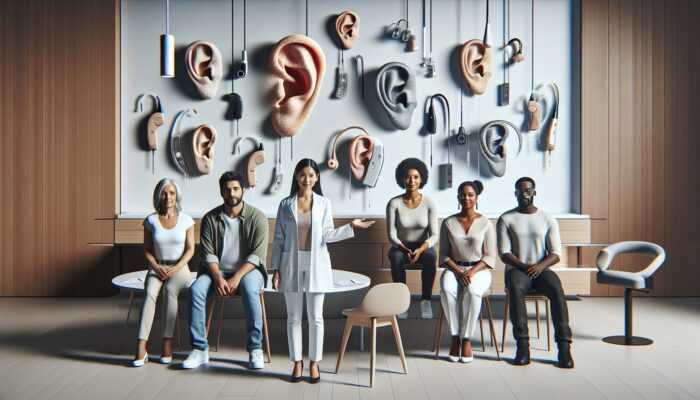
Diverse group of new hearing aid users receiving guidance from an audiologist in a modern clinic.

What Are the Best Practices for Maintaining Hearing Aids?

Proper maintenance is essential for prolonging the lifespan of hearing aids and ensuring their optimal performance. Regular cleaning and proper storage are critical aspects of upkeep. Users should prioritize daily cleaning to prevent the accumulation of wax and debris, which can severely affect sound quality.

For effective cleaning, a soft, dry cloth is ideal for the exterior, while a small brush or a specialized tool can effectively remove wax from the microphone and receiver openings. Additionally, it’s crucial for users to store their hearing aids in a dry, cool environment, utilizing a dehumidifier when necessary, particularly in humid climates.

Real-world maintenance routines can vary widely based on geographical and climatic conditions. For example, a user in tropical regions may need to clean their hearing aids more frequently due to elevated humidity levels, whereas someone residing in drier climates may face fewer issues. Regular consultations with an audiologist for professional cleaning and check-ups are also highly recommended to ensure devices are functioning at their best.

How Can Users Effectively Adapt to Hearing Aids?

Adapting to hearing aids is a gradual process that necessitates patience and practice. New users often require time to adjust to the amplified sounds surrounding them. To facilitate a smoother transition, it is advisable to begin wearing the devices for short durations, gradually increasing wear time as comfort improves.

Here are actionable steps to assist with adapting to hearing aids:

  • Start Small: Initially wear the aids for just a few hours each day.
  • Choose Quiet Environments: Begin the adaptation process in quieter settings to ease into listening.
  • Practice with Family or Friends: Engage in conversations with familiar voices to build confidence.
  • Record Sounds: Use a voice recorder to become accustomed to your own voice.
  • Adjust Settings Gradually: Familiarize yourself with different programs and settings.
  • Be Patient: Allow your brain ample time to adjust to the new sounds.
  • Seek Support: Join support groups or connect with other users for shared advice.
  • Consult Professionals: Regularly meet with your audiologist for tailored guidance.

By implementing these strategies, users can navigate their transition into a new life with hearing aids more effectively.

What Should Users Understand About Hearing Aid Battery Life?

Grasping the nuances of hearing aid battery life is vital for avoiding unexpected power loss. Generally, batteries can last from a few days to several weeks, influenced by the type of device, usage patterns, and features utilized. Regularly monitoring battery levels is essential to maintaining functionality.

Users should keep a watchful eye on battery levels and replace them as needed, utilizing a battery tester if accessible. Additionally, proper battery storage can impact longevity; they should be kept in a cool, dry location and removed from the hearing aids when not in use.

Many modern hearing aids now come with rechargeable options, making the charging process simpler and eliminating the need for frequent battery replacements. Establishing a routine for checking and replacing batteries can significantly enhance the user experience, ensuring devices are consistently ready for use.

What Are Common Challenges and Effective Solutions for New Users?

New hearing aid users frequently encounter several challenges, including feedback, discomfort, and difficulties in adjusting to the technology. Feedback, often experienced as a whistling sound, can be mitigated by ensuring the proper fitting and placement of the devices. Users should consult their audiologist for necessary adjustments if feedback issues persist.

Discomfort can occur as users become accustomed to wearing hearing aids. To alleviate this sensation, it’s recommended to start with shorter wearing durations and gradually increase usage over time. If discomfort remains an issue, users should seek professional adjustments to ensure a proper fit.

Moreover, users may struggle with adjusting their settings for different environments. A practical solution is to utilize the multiple programs available in many devices, allowing users to practice in quieter settings before tackling more complex environments. Professional guidance is invaluable in effectively navigating these challenges.

Successfully Adjusting to Life with Hearing Aids

What Are Common Challenges Faced by New Hearing Aid Users?

Numerous new hearing aid users face common challenges that may impede their adjustment process. Discomfort is a prevalent concern, as the sensation of wearing a device can feel unfamiliar. Additionally, feedback noises, which may arise when the device is not fitted correctly, can be distracting and disheartening.

Users may also struggle with adjusting to amplified sounds, especially in social situations where background noise is prominent. The initial exposure to these sounds can be overwhelming, making it essential for users to prepare for this new auditory landscape.

Awareness of these challenges can help users mentally prepare for their transition. Recognizing that discomfort and adjustment are integral parts of the learning curve can foster a more patient and proactive approach to wearing hearing aids.

Proven Strategies for Overcoming Initial Difficulties

Successfully overcoming initial difficulties with hearing aids can be achieved through patience and practical techniques. Sound therapy can be particularly advantageous, assisting users in gradually acclimating to amplified sounds. This method may involve listening to various soundscapes designed to ease users into the experience of heightened auditory perception.

Gradual exposure serves as another effective tactic. By beginning in controlled environments and slowly increasing exposure to more complex soundscapes, users can train their brains to process sounds more efficiently. Practicing conversations in quieter settings can significantly build confidence before engaging in noisier environments.

In addition to these techniques, reassurance and support from audiologists or peer groups can help alleviate anxiety and cultivate a sense of community. Knowing that others have successfully navigated similar challenges can be incredibly encouraging and empowering.

The Importance of Regular Follow-Ups with Audiologists

Regular follow-up appointments with an audiologist are crucial for ensuring that hearing aids function optimally. During these consultations, professionals can assess the fit and performance of the devices, making necessary adjustments to enhance the user experience.

Follow-ups also provide valuable opportunities for users to address any concerns or challenges they may be facing, ensuring they receive personalized support. These appointments can be indispensable for troubleshooting issues and assisting users in adapting their devices to various environments effectively.

Establishing a routine for these appointments can significantly boost users’ confidence, enabling them to fully enjoy the benefits of their hearing aids. Furthermore, proactive communication with audiologists empowers users to take ownership of their hearing health, fostering a greater sense of responsibility and engagement in their auditory journey.

Enhancing Communication Through Hearing Aids

How Can Hearing Aids Enrich Social Interactions?

Hearing aids play a pivotal role in enhancing social interactions for users by improving their ability to hear and engage in conversations effectively. With better hearing capabilities comes increased participation in social settings, leading to reduced feelings of isolation and improved relationships with others.

The ability to hear conversations clearly fortifies connections with friends and family. Hearing aids can alleviate the frustrations often experienced in group settings, allowing users to engage fully in conversations without straining to catch every word. This improvement can significantly enhance overall mental well-being and emotional health.

In various environments, such as family gatherings, workplaces, and community events, hearing aids facilitate meaningful dialogues. The enhanced auditory clarity allows users to share experiences and stories, fostering deeper connections and enriching their social lives.

Effective Strategies for Communicating in Noisy Environments

Navigating noisy environments presents unique challenges for hearing aid users, but several strategies can enhance communication effectiveness. To minimize difficulties, users should focus on positioning themselves strategically during conversations. Facing the speaker can significantly aid in capturing their voice more clearly while reducing background noise interference.

Another effective tip involves actively reducing background noise whenever possible. This may entail moving away from loud sound sources, such as televisions or bustling crowds, thereby allowing for more focused and productive conversations. Furthermore, utilizing assistive listening devices can substantially enhance auditory clarity in challenging settings.

By employing these techniques, users can markedly improve their communication experiences in noisy environments. Actively managing their surroundings and leveraging available tools will enhance the quality of their interactions and allow for more meaningful conversations.

What Are Key Communication Strategies for Hearing Aid Users?

Effective communication strategies are essential for hearing aid users to navigate conversations smoothly and confidently. Speaking clearly and at an appropriate volume is fundamental. Users may benefit from encouraging conversation partners to articulate their words clearly, facilitating easier comprehension.

Minimizing background noise during conversations can significantly enhance understanding. This may involve selecting quieter venues or incorporating sound-absorbing materials in spaces to reduce distractions. Additionally, visual cues such as gestures, facial expressions, and body language can greatly aid communication, especially when verbal cues may be more challenging to discern.

Encouraging open dialogue about hearing preferences with friends and family can create a supportive communication environment. By educating others on how to communicate effectively, users can foster a more inclusive atmosphere that promotes understanding and connection.

Proven Strategies for New Hearing Aid Users

What Are the Most Effective Techniques for Adjusting to Hearing Aids?

Effective adjustment techniques for hearing aid users are vital for maximizing their overall experience and ensuring comfort. One of the most impactful strategies is to wear the aids regularly. Consistent use helps users acclimate to both the feeling and the sound of their hearing aids, enhancing their overall effectiveness.

Practicing in various environments is also crucial. By exposing themselves to different soundscapes—such as quiet rooms, busy streets, or crowded cafés—users can learn to adapt their devices and adjust settings as needed. This practice builds confidence and fosters independence in their hearing journey.

Seeking professional guidance throughout this adjustment process cannot be overstated. Audiologists can provide valuable insights and tailored adjustments to meet individual needs, ensuring that users have the best possible experience with their devices. Continuous learning and adaptation are fundamental components of successful hearing aid utilization.

How Can Users Enhance Hearing Aid Performance?

Maximizing hearing aid performance involves several best practices that users can easily adopt. Regular maintenance is paramount; routine cleaning and appropriate storage can significantly enhance device functionality. Users should also ensure that their devices are fitted properly to prevent feedback and discomfort during use.

Understanding the features of the hearing aids is equally crucial. Users should familiarize themselves with the various settings available, enabling them to seamlessly adjust their devices for different environments. This knowledge empowers users to fully leverage their hearing aids’ capabilities.

To optimize performance, users can follow these practical tips:

  • Clean Regularly: Maintain hygiene to prevent wax buildup and ensure optimal performance.
  • Adjust Settings: Tailor programs for specific environments, enhancing user experience.
  • Check Fit: Ensure devices fit comfortably and securely to avoid discomfort.
  • Keep Batteries Charged: Maintain power for uninterrupted use throughout the day.
  • Utilize Technology: Explore smartphone apps for easy adjustments and settings management.
  • Schedule Follow-Ups: Consult with an audiologist periodically for professional insights.
  • Be Consistent: Wear devices on a daily basis to maximize benefits and acclimatization.
  • Stay Informed: Keep updated with new features and improvements in hearing aid technology.

By adopting these practices, users can ensure their hearing aids function at their best, significantly enhancing their auditory experience.

What Are Effective Troubleshooting Practices for Hearing Aid Users?

Developing troubleshooting skills for hearing aids is essential for users to maintain optimal performance. Common issues may include sound distortion, feedback, or connectivity problems. Familiarizing oneself with basic troubleshooting techniques can empower users to address these challenges effectively and independently.

Users should begin by checking for blockages in the microphone or receiver, as debris can impede sound quality. If sound is distorted, adjusting the volume or switching to a different listening program may resolve the issue. Additionally, ensuring that hearing aids fit properly can help minimize feedback problems.

Consulting with an audiologist is crucial for addressing more significant concerns. Regular check-ups can identify underlying issues that users may not notice. By learning and practicing these troubleshooting techniques, users can maintain their hearing aids’ performance and ensure a seamless auditory experience.

Adapting to an Active Lifestyle with Hearing Aids

How Can Users Sustain an Active Lifestyle with Hearing Aids?

Maintaining an active lifestyle while using hearing aids is entirely achievable with the right approach. Selecting the appropriate type of device is fundamental; users should consider options that fit securely and comfortably during physical activities. For instance, sweat-resistant hearing aids are ideal for users who participate in sports or enjoy outdoor activities.

Ensuring a proper fit during physical activities is essential. Users may benefit from custom molds that provide stability and comfort, reducing the risk of loss or damage during movement. Furthermore, utilizing protective gear, such as headbands or clips, can help secure hearing aids in place while exercising.

By seamlessly integrating hearing aids into their daily routines, users can enjoy an active lifestyle without compromising their auditory health. Embracing physical activity is crucial for overall well-being, and hearing aids can facilitate a more enriched lifestyle by enabling users to connect with their surroundings fully.

What Are the Best Practices for Caring for Hearing Aids During Activities?

Protecting hearing aids during physical activities is crucial for ensuring their long-term functionality. Moisture and impact are two significant factors that can potentially damage devices. Users should consider using sweatbands or specialized cases that shield hearing aids from moisture during workouts and sports.

Moreover, users should remain mindful of the environments they engage in during activities. For instance, avoiding swimming or water sports without proper protective gear is essential, as water can cause severe damage to hearing aids. Users may also want to invest in waterproof hearing aids or specialized accessories designed for aquatic activities.

Caring for hearing aids during activities involves adopting specific practices tailored to users’ lifestyles. By ensuring adequate protection from moisture and impact, users can maintain their devices’ integrity while enjoying their favorite activities.

Balancing Hearing Aid Use with Daily Life

Successfully balancing the use of hearing aids with daily life involves integrating them into routines comfortably and effectively. Users should strive to wear their devices consistently, gradually acclimating to the sensation and enhancing their hearing capabilities over time.

Prioritizing comfort is also paramount. Users should regularly assess the fit of their hearing aids, making adjustments as necessary to prevent discomfort or irritation. Addressing any issues promptly can facilitate a smoother integration of hearing aids into daily activities.

Establishing a schedule that incorporates regular maintenance, follow-ups, and practice can further support users in balancing their hearing aid use with their lifestyles. By embracing these strategies, users can seamlessly blend their hearing aids into everyday life, enriching their experiences effortlessly.

Research-Backed Benefits of Hearing Aids for New Users

What Are the Cognitive Advantages of Using Hearing Aids?

Hearing aids provide a multitude of cognitive benefits that can significantly enhance users’ mental health and overall cognitive performance. By reducing the effort required to process sounds, hearing aids can alleviate cognitive load, allowing users to focus more on understanding and engaging with their surroundings.

Regular usage of hearing aids can lead to improved concentration, memory retention, and mental agility. Additionally, the reduction in cognitive strain can help mitigate the risks of cognitive decline, contributing to better mental wellness over time.

The cognitive benefits associated with using hearing aids include:

  • Improved Focus: Enhanced auditory clarity allows for better concentration and attention.
  • Increased Engagement: Encourages active participation in social interactions and community activities.
  • Better Memory Retention: Reduces cognitive load, aiding in memory functions and recall.
  • Lowered Risk of Cognitive Decline: Supports long-term brain health and cognitive resilience.
  • Enhanced Learning: Facilitates better comprehension and retention of new information.
  • Greater Mental Agility: Reduces confusion, thereby improving decision-making capabilities.
  • Boosted Confidence: Increases self-esteem through improved communication and social interactions.
  • Reduced Stress: Lessens anxiety related to hearing difficulties and communication challenges.

These cognitive benefits illustrate the profound positive impact that hearing aids can have on users’ lives, contributing to their overall well-being.

How Do Hearing Aids Influence Emotional Well-Being?

Hearing aids profoundly enhance emotional well-being by addressing communication challenges and significantly reducing feelings of isolation. As users regain the ability to engage in meaningful conversations and social interactions, their emotional health improves dramatically.

The frustration often associated with untreated hearing loss can lead to feelings of depression and anxiety. Hearing aids alleviate these negative emotions by enabling users to participate fully in social settings, fostering a sense of belonging and enhancing overall quality of life.

By improving communication, hearing aids can bolster self-confidence and self-esteem. Users often experience a renewed sense of independence, leading to more fulfilling relationships and a more positive outlook on life. This emotional uplift can significantly impact users’ overall mental health and happiness.

What Are the Long-Term Health Benefits of Using Hearing Aids?

Long-term use of hearing aids is associated with various health benefits that extend beyond improved auditory capabilities. Regular amplification of sound can help prevent further hearing loss and promote overall auditory health.

Moreover, hearing aids can enhance physical health by encouraging social interaction and reducing the risk of isolation. Individuals who actively engage in conversations and activities are less likely to experience depression and anxiety, leading to improved mental health outcomes.

The long-term health benefits associated with hearing aids include:

  • Preventing Further Hearing Loss: Regular usage supports ear health and auditory function.
  • Reducing Isolation: Encourages social engagement, leading to a more connected lifestyle.
  • Improved Overall Health: Enhances mental and emotional well-being through better communication.
  • Lowered Risk of Dementia: Engaging socially can reduce cognitive decline and support brain health.
  • Promotion of Active Lifestyles: Encourages participation in physical activities and social events.
  • Enhanced Quality of Life: Supports greater independence, self-esteem, and self-worth.
  • Strengthened Relationships: Fosters deeper connections with friends and family.
  • Boosted Mental Wellness: Alleviates anxiety and depression by improving communication capabilities.

These health benefits highlight the importance of utilizing hearing aids and their positive impact on users’ long-term well-being.

Technological Advancements in Hearing Aids

What Are the Latest Innovations in Hearing Aid Technology?

Recent innovations in hearing aid technology have completely transformed the way users experience sound. Advancements such as rechargeable batteries, artificial intelligence-driven sound processing, and seamless integration with smartphones have significantly enhanced user experience and overall functionality.

Rechargeable hearing aids remove the inconvenience of frequent battery replacements, providing users with much-needed convenience. AI-driven sound processing intelligently adjusts amplification based on the user’s environment, ensuring optimal sound quality in various situations.

Moreover, the capability to connect hearing aids with smartphones allows users to customize settings, stream audio, and access hearing health data easily. These technological advancements not only improve performance but also enhance user engagement, making hearing aids more user-friendly and versatile than ever before.

How Do Smart Hearing Aids Function?

Smart hearing aids utilize advanced technology to offer a personalized listening experience tailored to individual user preferences. These devices connect seamlessly to smartphones and other compatible devices, allowing users to adjust settings and access features remotely through dedicated applications.

By integrating with smartphone apps, users can customize their hearing preferences based on specific environments, manage battery life, and receive real-time feedback on their hearing performance. This level of control enhances user autonomy, empowering them to fine-tune their devices effortlessly.

Additionally, smart hearing aids can collect valuable data on usage patterns and overall hearing health, providing audiologists with essential insights during follow-up visits. This integration of technology not only enhances the overall auditory experience but also empowers users to take charge of their hearing health.

Future Trends in Hearing Aid Development

The future of hearing aid development holds exciting advancements that will further enhance user experience and satisfaction. Current trends indicate a movement towards even smaller devices, making them more discreet and comfortable to wear.

Furthermore, advancements in artificial intelligence are likely to lead to more sophisticated sound processing algorithms that adapt intuitively to the user’s environment. Integration with other health technologies may also emerge, providing comprehensive care solutions that address not only hearing health but overall well-being.

As technology continues to evolve, hearing aids are expected to become increasingly user-friendly, offering enhanced customization and seamless connectivity. The potential for incorporating health-monitoring features further underscores the pivotal role of hearing aids in promoting overall health and wellness.

What Advantages Do Rechargeable Hearing Aids Offer Users?

Rechargeable hearing aids present numerous benefits that significantly enhance the user experience. Firstly, they eliminate the need for frequent battery replacements, providing convenience and reducing long-term costs. This feature is particularly beneficial for users who may find changing batteries challenging due to dexterity issues.

Additionally, rechargeable hearing aids can be effortlessly charged overnight, ensuring they are ready for daily use. Many models also feature quick-charge capabilities, allowing users to gain additional hours of use with only a brief charging period.

The environmental advantage of reducing battery waste is another significant benefit of rechargeable devices. By minimizing the reliance on disposable batteries, users contribute to sustainability efforts while enjoying the enhanced performance of modern hearing aids.

Resources and Support Available for Hearing Aid Users

Where Can Users Access Educational Resources?

Educational resources are essential for hearing aid users seeking to understand their devices and optimize their usage. Numerous websites, online forums, and instructional videos provide detailed information about hearing aids, their features, and best practices for effective use.

Books specifically focused on hearing loss and the effective use of hearing aids can also serve as valuable resources for users. Workshops organized by audiologists and hearing aid manufacturers often provide hands-on experience and insights into device management.

Local audiology clinics may host informative sessions or support groups that encourage community engagement and knowledge sharing. By exploring these educational resources, users can enhance their understanding and confidence in using their hearing aids effectively.

What Support Groups Are Available for Hearing Aid Users?

Support groups play a vital role in fostering a sense of community among hearing aid users. These groups provide platforms for sharing experiences, practical tips, and encouragement, helping individuals feel less isolated in their hearing journeys.

Both in-person and online support groups are available worldwide, allowing users to connect with others who face similar challenges. These groups often host meetings, discussions, and educational sessions that promote learning and camaraderie among members.

Participating in support groups can significantly boost users’ confidence, providing a welcoming space to ask questions and receive guidance from peers and professionals. The shared experiences and collective wisdom within these communities empower users to navigate their hearing health more successfully.

How Can Users Access Professional Assistance?

Accessing professional assistance is essential for users to ensure their hearing aids are optimized for their specific needs. Audiologists and hearing aid specialists possess the expertise to provide fitting, adjustments, and ongoing support tailored to user requirements.

Users can find professional help through audiology clinics, hospitals, and specialized hearing centers. Many professionals also offer telehealth services, making it easier for users to schedule consultations from the comfort of their homes.

Regular appointments with audiologists are crucial for troubleshooting issues, making necessary adjustments, and receiving personalized advice tailored to individual needs. Establishing a strong relationship with a professional can significantly enhance users’ confidence and comfort with their devices.

What Financial Assistance Options Are Available for Hearing Aids?

Financial assistance options for hearing aids exist to help users manage the associated costs. Many insurance plans offer partial coverage for hearing aids, enabling users to access necessary devices at a reduced rate.

In addition to insurance support, various government programs provide financial assistance for hearing aids. Nonprofit organizations may also offer subsidies or grants to help individuals who qualify financially.

Exploring these financial options can alleviate some of the burdens associated with purchasing hearing aids. Users are encouraged to communicate with their audiologists about available financial resources and assistance programs to ensure they receive the necessary support.

Frequently Asked Questions

How long does it typically take to adjust to hearing aids?

The adjustment period for hearing aids varies from person to person but generally takes a few weeks to several months. Gradual exposure and consistent usage can facilitate a smoother transition into using the devices.

Can I wear hearing aids while exercising?

Yes, many hearing aids are designed to be worn during physical activities. Users should look for sweat-resistant models and consider using protective accessories for optimal safety during exercise.

How often should I clean my hearing aids?

Daily cleaning is recommended to prevent the buildup of wax and debris. Regular maintenance is essential for ensuring optimal performance and longevity of the devices.

What should I do if my hearing aids are producing a whistling sound?

Whistling often indicates feedback. Users should ensure that the hearing aids fit properly and are free from debris. If the issue persists, consulting with the audiologist for necessary adjustments is advisable.

Are there hearing aids that are completely invisible?

Yes, there are models, such as completely-in-the-canal (CIC) hearing aids, designed to be discreet and less visible. However, the level of invisibility may vary based on individual ear anatomy.

How can I determine if my hearing aids need repairs?

Signs that hearing aids may require repairs include poor sound quality, distortion, or battery issues. If users notice these changes, they should consult their audiologist for an assessment.

Can I connect my hearing aids to my smartphone?

Many modern hearing aids feature Bluetooth connectivity, allowing users to connect to smartphones for audio streaming and device adjustments via dedicated apps.

What is the typical lifespan of hearing aid batteries?

Hearing aid batteries usually last between 3 to 14 days, depending on usage and the type of hearing aid. Regular monitoring and timely replacement are essential for optimal performance.

Are there financial assistance programs available for hearing aids?

Yes, numerous insurance plans, government programs, and nonprofit organizations offer financial assistance for hearing aids. Researching and inquiring about available options can help users find the support they need.

What should I do if my hearing aid feels uncomfortable?

If discomfort persists, users should check the fit of the device and ensure it is not causing irritation. Consulting with the audiologist for adjustments can help improve comfort levels.

Explore more with us on X!

The post Essential Advice for New Hearing Aid Users: Top Tips appeared first on The Microsuction Ear Wax Removal Network.

Categories
Health & Wellness Hearing Aids

In-the-ear Hearing Aids: Find Out If They’re Right for You

Last Updated on 02/08/2025 by Admin

Discover the Transformative Advantages of In-the-Ear Hearing Aids: Are They the Ideal Choice for You?

In today’s fast-paced and interconnected society, the significance of effective communication is paramount. The introduction of in-the-ear hearing aids has dramatically transformed how those with hearing difficulties interact with their surroundings. These state-of-the-art devices offer a multitude of advantages that go well beyond simple sound amplification. Let’s explore the extraordinary benefits that position in-the-ear hearing aids as a highly appealing choice for many individuals seeking to enhance their auditory experiences.

Experience Exceptional Sound Quality with In-the-Ear Hearing Aids

One of the standout benefits of in-the-ear hearing aids is their remarkable ability to provide exceptional sound quality. Nestled snugly within the ear canal, these devices are optimally situated to convey sound waves directly to the eardrum. This close proximity drastically reduces the distortion that is often found in larger hearing aids, resulting in a listening experience that feels more natural and immersive. Users consistently report that the clarity of conversations and the richness of musical notes are significantly enhanced compared to conventional hearing aid models.

Moreover, the compact structure of in-the-ear hearing aids allows for the integration of advanced sound processing technologies. Features such as adaptive sound control automatically modify settings in response to environmental changes, guaranteeing optimal hearing in a variety of settings—whether enjoying a busy café in Paris or relaxing in a tranquil park in Tokyo. This level of adaptability is crucial for individuals who traverse different auditory environments throughout their day.

Finally, the enhancement in sound quality not only improves daily interactions but also enriches social experiences. Users can engage in conversations with ease, eliminating the constant struggle to interpret muffled sounds. This newfound confidence can lead to deeper connections and improved relationships, significantly enhancing overall quality of life.

Embrace the Discreet Design of In-the-Ear Hearing Aids

For numerous individuals, the visibility of hearing aids poses a considerable concern. The discreet design of in-the-ear hearing aids directly addresses this issue. With their snug fit within the ear canal, these devices often remain virtually undetectable to others. This subtlety is especially attractive to younger users and professionals who may feel self-conscious about wearing more conspicuous hearing aids.

Additionally, the aesthetic appeal of in-the-ear models is complemented by a variety of customizable options. Users can select colors and designs that blend seamlessly with their skin tone or reflect their personal style, further enhancing the discreet nature of these devices. The end result is a hearing solution that feels less like a medical apparatus and more like a personal accessory, empowering users to wear their hearing aids with pride and confidence.

Furthermore, the psychological advantages of using discreet hearing aids are profound. The reduced visibility can significantly diminish the stigma often associated with hearing loss, encouraging individuals to seek the help they need without fear of judgment. This shift in perception contributes to improved mental well-being, fostering a more positive relationship with one’s hearing health and overall self-image.

Enjoy a Custom Fit for Optimal Comfort and Performance

Every individual’s ear is uniquely shaped, and this is where the true magic of in-the-ear hearing aids comes into play. These devices are meticulously custom-made to fit the specific contours of a person’s ear. This personalized approach not only ensures a secure and comfortable fit but also maximizes auditory performance, allowing users to hear more clearly and comfortably.

The fitting process begins with a comprehensive audiological evaluation, followed by creating a precise ear mold impression. Skilled audiologists use this impression to fabricate hearing aids that conform perfectly to the user’s ear canal. This attention to detail minimizes the risk of feedback and enhances sound isolation, enabling users to focus on the sounds that matter most in their lives.

In addition to performance, a custom fit greatly enhances user comfort. Unlike over-the-ear models that may cause discomfort during extended use, in-the-ear hearing aids are designed to be comfortable for hours of wear. This comfort promotes consistent use, which is crucial for those aiming to improve their hearing abilities effectively.

The importance of a custom fit transcends comfort and auditory performance; it empowers individuals to take charge of their hearing health. By investing in a personalized solution, users are more likely to experience significant improvements in their auditory experiences, leading to a more engaged and fulfilling lifestyle.

Key Considerations Before Selecting In-the-Ear Hearing Aids

Embarking on the path toward improved hearing requires thoughtful consideration. While in-the-ear hearing aids present numerous benefits, it is essential to evaluate various factors before making a commitment. Understanding your unique needs and circumstances will pave the way for a successful hearing experience tailored to your lifestyle.

Assess Your Ear Health for Suitability

Before venturing into the world of hearing aids, it is vital to assess your ear health comprehensively. Certain medical conditions, such as ear infections or excessive earwax buildup, can significantly affect the suitability of in-the-ear hearing aids. A thorough examination by a healthcare professional will help identify any underlying issues that may impede the effectiveness of the devices.

In some cases, individuals with narrow ear canals or chronic ear problems may find in-the-ear models uncomfortable or even ineffective. Consulting with an audiologist can provide clarity on these concerns, ensuring that users make informed decisions that prioritize their ear health and overall well-being.

Moreover, maintaining ear hygiene is paramount when opting for in-the-ear devices. Regular cleaning and check-ups with a hearing care professional can prevent complications and ensure the longevity of the devices. Taking proactive measures to safeguard ear health will significantly enhance the hearing experience and overall satisfaction with the chosen solution.

Evaluate Lifestyle Compatibility with Hearing Aids

Every individual leads a distinct lifestyle, and this factor should heavily influence the choice of hearing aids. Those who engage in active lives—through sports, travel, or social interactions—must consider how in-the-ear hearing aids align with their daily routines and activities.

For example, individuals who frequently partake in physical activities may require devices that are more robust and resistant to sweat and moisture. Many manufacturers now offer in-the-ear models designed with enhanced durability, making them suitable for active lifestyles without compromising on performance.

Conversely, individuals who spend considerable time in social settings may prioritize sound quality and discreet design. In these scenarios, in-the-ear hearing aids provide an excellent balance of functionality and aesthetics, allowing users to engage confidently in conversations without worrying about their devices drawing attention.

Ultimately, assessing lifestyle compatibility involves aligning personal needs with the features of hearing aids. The right choice can significantly enhance quality of life, transforming everyday experiences into moments of connection and joy, allowing users to engage fully with their surroundings.

Understanding Maintenance Requirements for Hearing Aids

While the advantages of in-the-ear hearing aids are apparent, it’s essential to grasp the commitment required for proper maintenance. Regular cleaning and care are critical to ensure optimal performance and longevity of the devices.

Dust, moisture, and earwax can accumulate in in-the-ear models, leading to diminished sound quality and performance. Users must develop a routine for cleaning their devices, which may involve gentle wiping and the use of specialized cleaning tools. Many manufacturers provide comprehensive care instructions, making it easy for users to maintain their hearing aids effectively.

In addition to regular cleaning, periodic check-ups with a hearing care professional are crucial. These visits allow for adjustments and repairs, ensuring that the hearing aids remain in peak condition. By prioritizing maintenance, users can guarantee a seamless auditory experience, ultimately enhancing their satisfaction and connection to the world around them.

Financial Considerations: Cost and Insurance Coverage

Financial considerations can present a significant barrier when selecting hearing aids. The initial cost of in-the-ear hearing aids can vary widely based on factors such as technology level, brand, and customization options, making it essential to understand these financial implications before making a purchase.

Health insurance coverage for hearing aids can vary significantly across different plans, impacting the accessibility of these vital devices. Many individuals may be surprised to discover that their insurance does not fully cover the costs associated with these essential devices. It’s crucial to thoroughly review your policy and speak with representatives to clarify coverage details and understand any potential out-of-pocket expenses.

Additionally, potential users should explore financing options and payment plans offered by various providers. Some manufacturers provide installment plans, making it easier for individuals to manage the costs associated with acquiring in-the-ear hearing aids. This financial flexibility can significantly improve accessibility, ensuring that users do not compromise on their hearing health due to budget constraints.

Explore the Latest Technological Features in Hearing Aids

With rapid advancements in hearing technology, understanding the features of in-the-ear hearing aids is crucial for maximizing auditory experiences. While basic amplification is a given, modern devices are equipped with cutting-edge functionalities that can revolutionize the hearing experience.

For example, directional microphones are a common feature that significantly enhances user experience in complex auditory environments. These microphones focus on sound originating from specific directions, allowing users to engage in conversations even amidst background noise—be it in a bustling restaurant in New York City or at a vibrant street market in Mexico City. This capability is instrumental in ensuring users do not miss important verbal cues during social interactions.

Equally important is noise reduction technology, which effectively filters out unwanted sounds, enhancing clarity during conversations. Bluetooth connectivity further elevates the convenience factor, enabling direct audio streaming from smartphones and other devices. This seamless integration allows users to enjoy music, calls, and podcasts without missing a beat, enriching daily life with enhanced auditory engagement.

Rechargeable batteries are also becoming increasingly common, providing a sustainable and cost-effective solution compared to disposable options. Users can enjoy the convenience of charging their hearing aids overnight, ensuring they are ready for the day ahead without the hassle of replacing batteries constantly.

Finally, features like telecoil technology enable connections with public sound systems and telephones, ensuring clarity in specific environments. By selecting devices equipped with these advanced features, users can tailor their hearing experience to meet individual needs, paving the way for a more fulfilling auditory journey.

Unveiling the Latest Technology and Features in In-the-Ear Hearing Aids

Innovations in hearing technology have led to the development of sophisticated features that significantly enhance the usability of in-the-ear hearing aids. Understanding these advancements can empower users to make informed choices and fully leverage the capabilities of their devices.

Enhance Your Hearing Experience with Directional Microphones

Directional microphones represent a significant leap forward in hearing aid technology. By concentrating on sounds coming from specific directions, these microphones allow users to engage more effectively in conversations, particularly in noisy environments. This feature proves invaluable in settings such as crowded cafes, lively gatherings, or bustling public transport hubs, where clarity is essential.

The functionality of directional microphones goes beyond merely amplifying sound; they actively reduce background noise that can overwhelm the user. For example, while dining in a packed restaurant, users can concentrate on the conversation at their table without the distraction of clinking dishes or chatter from other diners. This capability is essential for maintaining social interactions and ensuring that users do not miss important verbal cues.

Additionally, directional microphones can enhance experiences in environments like concerts and theaters, where auditory clarity is paramount. Users can immerse themselves in the sounds of their favorite performances without the degradation often associated with traditional hearing aids, making each experience more enjoyable and memorable.

Experience Enhanced Clarity with Noise Reduction Technology

Advanced noise reduction technology is another hallmark of modern in-the-ear hearing aids. This feature actively identifies and suppresses background noise, allowing users to focus on what truly matters—clear conversations and engaging with their surroundings. For many, this means enjoying conversations without straining to hear over the surrounding din.

In environments characterized by variable noise levels—such as urban landscapes or family gatherings—noise reduction technology proves indispensable. It allows users to enjoy important conversations without exhausting themselves trying to process sound in challenging auditory environments, significantly reducing auditory fatigue.

The application of noise reduction extends beyond just conversations; it can also enhance the enjoyment of music and other forms of audio entertainment. By minimizing distractions, users can appreciate the subtleties of their favorite melodies, transforming everyday listening into a richly immersive experience that elevates their enjoyment of life.

Seamlessly Connect with Bluetooth Technology

In an era driven by connectivity, the inclusion of Bluetooth technology in in-the-ear hearing aids has revolutionized how users interact with their devices. This feature enables seamless audio streaming from smartphones, tablets, and other compatible devices, enriching the auditory experience like never before.

Imagine being able to take a call without the hassle of holding your phone to your ear or enjoying your favorite playlist without a hitch. With Bluetooth-enabled hearing aids, these scenarios become effortless. Users can transition seamlessly from phone calls to music, enhancing their daily experiences and making life more enjoyable.

Moreover, many devices allow for personalized sound adjustments via mobile applications, enabling users to fine-tune their hearing aids to suit their preferences. This level of customization is especially appealing, as it empowers users to create their ideal auditory environments—whether they are at home or navigating the hustle and bustle of city life.

The versatility of Bluetooth connectivity extends to accessibility features as well. Many hearing aids can connect to public sound systems in theaters, conference rooms, and other venues, ensuring that users never miss important announcements or presentations. By integrating technology into their hearing solutions, users can enjoy a more connected and fulfilling lifestyle.

Embrace the Convenience of Rechargeable Batteries

The shift to rechargeable batteries in in-the-ear hearing aids marks a significant innovation in convenience and sustainability. Traditional hearing aids often relied on disposable batteries, requiring users to frequently purchase replacements and manage disposal, which could be cumbersome.

With the introduction of rechargeable models, users can enjoy the simplicity of charging their devices overnight. This eliminates the need for constant battery replacements, streamlining the user experience and providing peace of mind. Many rechargeable hearing aids also boast impressive battery life—often lasting an entire day on a single charge—making them an attractive option for busy individuals.

Additionally, the environmental benefits of rechargeable batteries are noteworthy. By reducing waste associated with disposable batteries, users contribute to a more sustainable future. This conscious choice aligns with the growing global emphasis on environmental responsibility, allowing individuals to enhance their hearing while minimizing their ecological footprint.

Furthermore, some rechargeable models are equipped with fast-charging capabilities, offering users the flexibility they need in their daily lives. This level of convenience ensures that users are always prepared to engage fully with their surroundings, regardless of how demanding their schedules may become.

Gain Clarity with Telecoil Technology

The integration of telecoil technology in in-the-ear hearing aids is a testament to the advancements in auditory solutions. This feature enables hearing aids to connect directly to compatible public sound systems and telephones, significantly enhancing sound clarity in specific environments.

Telecoil technology is particularly advantageous in scenarios such as theaters, places of worship, and public transportation—settings where audio quality can often be compromised. By linking directly to these systems, users can enjoy crystal-clear sound without the interference commonly associated with ambient noise, enhancing their overall auditory experience.

Moreover, many modern telecoil-equipped hearing aids offer an automatic switch that detects when a compatible system is in use. This seamless transition allows users to enjoy enhanced auditory experiences without the need for manual adjustments, making their hearing aids more user-friendly and efficient.

As telecoil technology continues to evolve, users can expect even greater integration with various audio systems, further improving accessibility and enriching their auditory experiences in both public and private spaces.

Understanding the Cost and Accessibility of In-the-Ear Hearing Aids

Navigating the world of hearing aids can be overwhelming, especially when it comes to comprehending the financial implications. The cost of in-the-ear hearing aids can vary widely, influenced by factors such as technology level, brand, and customization. Here’s what you need to know to make informed decisions regarding affordability and accessibility.

Know the Price Range for In-the-Ear Hearing Aids

The price range for in-the-ear hearing aids can fluctuate dramatically, with options available for virtually every budget. Basic models, primarily designed for amplification, can start at a few hundred dollars. However, as features and customizable options increase, prices can escalate into the thousands, reflecting the advanced technology and personalization available.

Investing in higher-end models often yields enhanced sound quality, sophisticated technology, and greater customization options. Features such as noise reduction, Bluetooth connectivity, and telecoil capabilities significantly enhance the user experience, making them worthwhile investments for many individuals.

It’s essential for potential users to consider their specific hearing needs and lifestyle requirements when evaluating different options. While a more expensive model may provide features that align with their lifestyle, budget-conscious individuals should also explore entry-level options that still deliver satisfactory performance.

Regardless of budget, the key is to balance cost with functionality. Users should prioritize their specific needs and seek devices that offer the best value, ensuring they receive the auditory support necessary for a fulfilling life.

Insurance Coverage and Its Impact on Accessibility

Understanding the complex landscape of insurance coverage for hearing aids is vital for many potential users of in-the-ear hearing aids. Coverage can vary significantly between different health insurance plans, making it crucial to thoroughly review policy details before making a purchase.

Many plans may impose limitations on coverage, including caps on the amount reimbursed or restrictions on which devices are eligible. In some cases, insurance may only cover a portion of the total cost, leaving users to cover a significant out-of-pocket expense. It’s advisable to consult with insurance representatives to clarify coverage specifics and understand any potential financial obligations.

Additionally, certain countries offer government assistance programs for individuals with hearing impairments, providing financial support for hearing aids. Exploring these options can lead to considerable savings, ensuring that users can access the devices they need to improve their hearing health.

The dialogue surrounding insurance coverage for hearing aids is evolving, with many advocates pushing for greater accessibility and affordability. Users should remain informed about changes in legislation and advocate for their needs, fostering a more inclusive environment for individuals with hearing loss.

Exploring Financing Options for Hearing Aids

For individuals facing budget constraints, exploring financing options can make in-the-ear hearing aids more accessible. Many providers offer flexible payment plans that allow users to spread the cost of their devices over time, easing the financial burden and making essential hearing support more attainable.

These financing options often come with manageable monthly payments, enabling individuals to invest in their hearing health without compromising their current financial situation. It’s essential to carefully review the terms and conditions of any financing agreement, ensuring that users understand their obligations and any potential interest rates involved.

Additionally, some retailers and manufacturers run periodic promotions, offering discounts or special financing rates. Staying informed about these opportunities can provide significant savings and make the process of obtaining hearing aids more affordable.

Investing in hearing aids is an investment in overall well-being. By utilizing available financing options and remaining proactive about financial planning, users can ensure they receive the auditory support they need to thrive—regardless of their economic circumstances.

Enhancing User Experience and Comfort with In-the-Ear Hearing Aids

The experience of using in-the-ear hearing aids extends beyond the technology itself. Factors such as comfort, user satisfaction, and the initial adjustment period all play crucial roles in determining the overall effectiveness of these devices and the quality of life for users.

Navigate the Initial Adjustment Period with Ease

Transitioning to in-the-ear hearing aids can be a significant adjustment for many users. The sensation of having a device snugly fitted within the ear canal may feel unfamiliar at first, leading to a brief period of acclimatization as users adjust to their new auditory solutions.

During this initial adjustment phase, users may experience various sensations, such as a sense of fullness in the ear or mild discomfort. It’s essential to recognize that these feelings are typically temporary as the body adapts to the presence of the hearing aids. Regular use will help facilitate this adjustment, allowing users to become accustomed to their devices and enjoy the benefits they provide.

Additionally, some manufacturers offer resources and guidance to ease this transition. Audiologists and hearing care professionals can provide helpful tips on how to wear and care for the devices, enhancing the user experience and accelerating the adjustment process, fostering confidence in their new auditory solutions.

Ultimately, patience is key during this period. As users gradually acclimate to their in-the-ear hearing aids, they can look forward to enjoying the myriad benefits these devices have to offer, enhancing their quality of life by reconnecting them with the sounds they love.

Enjoy Long-Term Comfort with In-the-Ear Hearing Aids

Once users have successfully navigated the initial adjustment period, many find that in-the-ear hearing aids become increasingly comfortable over time. With proper fitting and consistent use, individuals can wear their devices for extended periods without experiencing discomfort or irritation.

The significance of a custom fit cannot be overstated. When tailored specifically to the user’s ear, in-the-ear hearing aids minimize the risk of irritation that can occur with ill-fitting devices. Regular follow-ups with a hearing care professional can ensure that the fit remains optimal as the user adapts to their hearing aids.

Comfort is further enhanced by the development of lightweight materials and ergonomic designs employed in modern hearing aids. These advancements prioritize user comfort, allowing for prolonged use without strain or discomfort, ultimately leading to a more enjoyable experience.

As users grow more accustomed to the presence of their devices, they often report a heightened sense of connection to their environment. The ability to engage in conversations, enjoy music, and partake in daily activities without distraction fosters a more fulfilling and enriching experience, enhancing their overall quality of life.

Valuable Feedback from Users: The Impact of In-the-Ear Hearing Aids

User feedback plays a crucial role in assessing the effectiveness of in-the-ear hearing aids. Many individuals express high levels of satisfaction with their experiences, attributing improvements in sound quality, comfort, and discreet design to their newfound auditory solutions.

Reviews and testimonials frequently highlight the transformative impact of these devices on users’ lives. Enhanced communication abilities often lead to more vibrant social interactions, helping users reconnect with friends and family. Many report feeling more confident in public settings, no longer hindered by the challenges of hearing loss.

Furthermore, user satisfaction can often be attributed to the advancements in technology incorporated into modern hearing aids. Features such as noise reduction and Bluetooth connectivity enhance the overall experience, allowing users to tailor their devices to their unique needs and preferences.

Hearing aid communities and support groups also serve as valuable resources for users. Sharing experiences and advice fosters a sense of camaraderie, enabling individuals to navigate their hearing journey together, offering mutual support and encouragement.

Ultimately, the positive feedback surrounding in-the-ear hearing aids underscores the importance of investing in hearing health, empowering individuals to embrace life’s sounds fully and reconnecting them with the world around them.

Explore Customization Options for Your In-the-Ear Hearing Aids

The ability to customize in-the-ear hearing aids significantly enhances user experience. Manufacturers offer a range of personalization options that extend beyond aesthetic choices, allowing users to tailor their devices for optimal comfort and performance.

Customization begins with the fitting process, where audiologists create ear molds that ensure a snug and secure fit. This personalized approach is crucial for comfort, as a well-fitted hearing aid reduces the risk of feedback and maximizes sound isolation, allowing users to focus on what truly matters in their lives.

Moreover, many hearing aids now offer adjustable settings that allow users to fine-tune their devices based on specific preferences or environmental conditions. This level of control is particularly beneficial for individuals who navigate various settings, from quiet homes to bustling public spaces.

Additionally, some brands provide aesthetic customization, allowing users to select colors and styles that resonate with their personal taste. Whether opting for a discreet skin tone or a vibrant color, the ability to personalize hearing aids empowers users to embrace their devices confidently and enjoy the added benefits of a solution that feels uniquely theirs.

Ultimately, the emphasis on customization in in-the-ear hearing aids fosters a sense of ownership and pride, encouraging users to engage fully with their hearing solutions and enjoy enhanced auditory experiences that contribute to their overall well-being.

The Role of Professional Fitting and Support in Hearing Health

The journey toward better hearing is not solely about selecting the right devices; it also involves professional fitting and ongoing support. The role of audiologists and hearing care professionals is pivotal in ensuring that users achieve the best possible outcomes with in-the-ear hearing aids.

The Critical Importance of Professional Fitting

The significance of professional fitting cannot be overstated when it comes to in-the-ear hearing aids. A comprehensive fitting process is essential for tailoring hearing aids to the user’s specific hearing needs and the unique shape of their ear.

During the fitting appointment, audiologists conduct thorough assessments, including hearing evaluations and ear canal impressions. This meticulous attention to detail ensures that the resulting devices are optimally positioned within the ear, maximizing sound delivery while minimizing feedback, which is key for a satisfying auditory experience.

Moreover, professional fitting allows for personalized adjustments based on the user’s preferences. Audiologists can calibrate the devices to account for different environments, enhancing user experience in various settings. This customized approach is crucial for individuals who require distinct settings for different activities, ranging from quiet home environments to lively social gatherings.

Additionally, a professional fitting serves as an opportunity for education. Audiologists can provide users with valuable insights on how to care for their devices, adjust settings, and troubleshoot common issues. This foundational knowledge empowers users to take control of their hearing health, ensuring a seamless integration of hearing aids into their daily lives and routines.

Ongoing Support and Adjustments for Optimal Hearing Health

The relationship between users and their hearing care professionals does not end with the fitting appointment. Ongoing support and regular follow-ups are critical for optimizing the performance of in-the-ear hearing aids.

Periodic check-ups enable audiologists to make necessary adjustments based on user feedback. As individuals adapt to their hearing aids, they may encounter changes in their hearing needs or preferences, necessitating fine-tuning of the devices. Regular visits allow for these adjustments, ensuring a consistently positive user experience that aligns with their evolving auditory requirements.

Furthermore, ongoing support can include education on new features or advancements in hearing technology. As the industry evolves, users may benefit from upgrades or enhancements that improve their auditory experience. Staying informed about these developments ensures that users can fully leverage the capabilities of their hearing aids and maximize their auditory potential.

Additionally, support communities and resources can provide users with valuable insights and encouragement as they navigate their hearing journey. Engaging with others who share similar experiences fosters a sense of connection and belonging, ultimately enhancing user satisfaction and overall experience.

The commitment to ongoing support and adjustments reflects a holistic approach to hearing health, ensuring that users of in-the-ear hearing aids can achieve the best possible outcomes and enjoy a rich and fulfilling auditory experience.

Frequently Asked Questions About In-the-Ear Hearing Aids

What are in-the-ear hearing aids?

In-the-ear hearing aids are small, custom devices designed to fit snugly within the ear canal. They offer a discreet solution for individuals with hearing loss, providing clear sound amplification and advanced features tailored to user needs.

How do I know if in-the-ear hearing aids are right for me?

Determining the suitability of in-the-ear hearing aids involves assessing your ear health, lifestyle needs, and personal preferences. Consulting with a hearing care professional can help guide your decision and ensure you choose the right option for your auditory requirements.

Are in-the-ear hearing aids comfortable to wear?

Many users report high levels of comfort with in-the-ear hearing aids, especially when properly fitted. Custom molds ensure a snug fit that reduces irritation and allows for extended wear, enhancing the overall experience.

What is the cost of in-the-ear hearing aids?

The cost of in-the-ear hearing aids can range from a few hundred to several thousand dollars, depending on technology levels, features, and customization options. Insurance coverage and financing options may also affect overall costs, making it essential to explore all avenues.

Do in-the-ear hearing aids require maintenance?

Yes, in-the-ear hearing aids require regular cleaning and maintenance to ensure optimal performance. Users should develop a routine for care and schedule periodic check-ups with a hearing care professional to maintain their effectiveness and longevity.

Can I use my in-the-ear hearing aids while exercising?

Many in-the-ear hearing aids are designed to be durable and sweat-resistant, making them suitable for exercise. Users should consult with their audiologist to ensure they select appropriate models that can withstand physical activity.

Are there wireless features in in-the-ear hearing aids?

Yes, many modern in-the-ear hearing aids come equipped with Bluetooth connectivity, allowing users to stream audio directly from devices like smartphones, enhancing their overall auditory experience and convenience.

What should I do if my hearing aids are uncomfortable?

If you experience discomfort with your in-the-ear hearing aids, it’s important to consult with your audiologist. They can provide adjustments and ensure that your devices fit comfortably, addressing any issues you may encounter.

How long do in-the-ear hearing aids last?

With proper care and maintenance, in-the-ear hearing aids can last several years. Regular check-ups and timely repairs can help extend their lifespan and ensure optimal performance throughout their use.

Can I customize my in-the-ear hearing aids?

Yes, many manufacturers offer customization options for in-the-ear hearing aids, allowing users to choose colors, designs, and specific settings that align with their preferences and lifestyle, enhancing their overall experience.

Explore more with us on X!

The post In-the-ear Hearing Aids: Find Out If They’re Right for You appeared first on The Microsuction Ear Wax Removal Network.

Categories
Health & Wellness Hearing Aids

Hearing Aid Tubes: Essential Tips for Replacement and Care

Maximizing Hearing Aid Performance Through Regular Maintenance

Regularly maintaining hearing aids, particularly through the timely replacement of tubes, is essential for achieving optimal performance and overall ear health. Many users often underestimate the importance of this maintenance, yet it can significantly enhance their hearing experience. By understanding how crucial tube replacement is, users can fully immerse themselves in the rich soundscapes that life has to offer, allowing them to enjoy conversations, music, and environmental sounds to the fullest extent. Taking these proactive steps fosters not only better sound quality but also a deeper appreciation for the auditory elements of daily life.

Protecting Against Ear Infections with Regular Tube Replacements

A hearing aid tube being replaced, with healthy ear anatomy in the background, symbolizing infection prevention.

One of the most compelling reasons to regularly replace hearing aid tubes is to effectively prevent ear infections. Over time, moisture can build up inside the tubes, creating an ideal environment for bacteria to thrive. This is particularly important for individuals who wear their hearing aids throughout the day, as they are at a higher risk. Research indicates that untreated ear infections can lead to severe complications, underscoring the necessity of timely tube replacements. By being proactive in replacing tubes, users can significantly reduce moisture accumulation, thereby minimizing the risk of infections and preserving their overall <a href="https://www.earwaxremoval.net/wearable-sensors-for-tracking-ear-health-an-overview/">ear health</a>.

Moreover, the role of hygiene in maintaining ear health cannot be overstated. Users should make tube replacements a regular part of their care routine, ensuring that they clean their devices frequently to avoid the build-up of moisture and bacteria. This practice is especially crucial for those residing in humid climates, where excess moisture can increase the frequency of infections. By committing to regular maintenance, users not only protect themselves from potential infections but also enhance their overall comfort while using hearing aids.

Maintaining Exceptional Sound Quality Through Regular Tube Changes

Hearing aids are specifically designed to enhance the listening experience, but damaged or worn tubes can severely compromise sound quality. Even minor wear over time can result in significant changes in sound transmission, leading users to notice muffled or distorted audio. Recognizing these signs is crucial, as they often indicate that it’s time for a replacement to restore the clarity of sound.

Regularly replacing tubes ensures that sound is transmitted clearly and effectively, enabling users to engage fully in conversations, relish music, and enjoy environmental sounds without distortion. In areas where background noise is prevalent, such as busy cities or lively marketplaces, maintaining optimal sound quality becomes even more critical. The clarity that new tubes provide can greatly enhance a user’s ability to interact with their surroundings, whether navigating through crowded streets or savoring a tranquil evening at home.

Extending the Lifespan of Hearing Aids Through Proper Maintenance

Engaging in proper maintenance, which includes the timely replacement of hearing aid tubes, significantly extends the lifespan of these valuable devices. Given that the average cost of hearing aids can be substantial, investing in regular maintenance translates into long-term savings. Neglecting to replace tubes when necessary may lead to more serious issues, resulting in costly repairs or even the need for completely new devices.

Additionally, many manufacturers provide guidelines for a regular replacement schedule to optimize the lifespan of hearing aids. Adhering to these recommendations not only safeguards the initial investment but also ensures users maintain a consistent level of hearing quality. By taking these preventative measures, users can maximize their enjoyment of their hearing aids without incurring the financial burden associated with frequent replacements.

Enhancing Comfort and Fit for a Better Hearing Experience

Comfort and proper fit are paramount for any hearing aid user. Over time, tubes may become warped or lose their elasticity, resulting in discomfort while wearing the device. This issue is particularly pronounced for individuals with active lifestyles or those who wear their hearing aids for extended periods. Regularly replacing tubes ensures a snug fit, allowing users to feel comfortable throughout their daily activities.

In addition to enhancing comfort, properly fitted hearing aids improve overall user satisfaction and compliance. Users who experience discomfort may become less inclined to wear their devices regularly, which can adversely affect their hearing health. By ensuring a seamless fit through regular maintenance, users are encouraged to continue utilizing their hearing aids, promoting better hearing outcomes over time.

Identifying When Hearing Aid Tubes Need Replacement

Recognizing the indications that hearing aid tubes require replacement is vital for maintaining optimal performance. Users should remain alert to any changes in their devices and take proactive measures to ensure their hearing aids function at their best.

Spotting Visible Cracks or Damage on Hearing Aid Tubes

Visible damage is a clear indicator that hearing aid tubes need replacement. Any cracks or breaks can compromise the structural integrity of the tubes, leading to diminished performance and noticeable changes in sound quality. Users should routinely inspect their tubes for any visible signs of wear and tear.

Even minor cracks can lead to sound leakage, resulting in frustration and a compromised listening experience. Users who notice any signs of damage should prioritize replacing their tubes to avoid further complications. Additionally, individuals living in areas with extreme climates, such as harsh heat or cold, may experience increased wear and tear, making regular inspections even more essential.

Recognizing Changes in Sound Quality as a Replacement Trigger

If users experience a sudden change in sound quality, such as muffled sounds or distortion, this may indicate that a replacement is necessary. Regularly monitoring sound quality can help users identify when it’s time to take action.

Muffled sounds might suggest blockages caused by earwax or moisture accumulation, while distortion may point to structural damage within the tubes. In either case, timely replacements are crucial. Users should be proactive and consult their audiologists if they observe any changes in sound quality, ensuring they maintain the best possible hearing experience.

Difficulty Inserting Tubes: A Sign of Wear

Inserting hearing aid tubes should be a straightforward process. If users find it challenging to insert tubes into the ear canal, it may indicate that wear has compromised the fit. Over time, tubes can become warped or lose their shape, leading to discomfort and difficulty.

Regularly replacing tubes ensures ease of use, maintaining comfort and fit for users. This is particularly important for those with active lifestyles who rely on their hearing aids for daily communication. A smooth experience when inserting and removing tubes contributes to overall satisfaction and encourages consistent use of the devices.

Increased Noise Levels: An Indicator for Replacement

An increase in background noise or static can also signal that it’s time to replace hearing aid tubes. If users notice that their hearing aids are picking up more ambient noise than usual, this could indicate that the tubes are not functioning properly.

Regular replacements help maintain optimal sound quality and minimize unwanted noise, allowing users to focus on what matters most—meaningful conversations and the sounds around them. Keeping a keen awareness of sound quality can assist users in determining when to schedule replacements, ensuring they always benefit from crystal-clear audio.

Understanding the Impact of Environmental Factors on Hearing Aid Tubes

Environmental conditions can profoundly impact the longevity and effectiveness of hearing aid tubes. Users should be aware of how factors such as moisture, dust, and temperature fluctuations can affect their devices and necessitate more frequent replacements.

The Detrimental Effects of Moisture on Hearing Aid Tubes

Moisture is one of the primary causes of degradation in hearing aid tubes. Factors such as humidity, perspiration, and condensation can seep into the tubes, resulting in corrosion and bacterial growth. For users living in coastal regions or areas with high humidity, this exposure can be particularly damaging.

Regular tube replacements can combat the adverse effects of moisture. Implementing protective measures, such as utilizing drying kits or storing hearing aids in dry locations, can further prolong the lifespan of tubes. Users should remain vigilant in monitoring their devices in humid conditions and act promptly to replace tubes as necessary.

Addressing the Effects of Dust and Debris on Hearing Aid Functionality

Dust and debris can easily clog hearing aid tubes, significantly reducing their effectiveness. Users who frequently inhabit dusty environments, such as construction sites or agricultural areas, may find that their tubes require more frequent cleaning and replacement.

To mitigate these effects, users should establish regular cleaning routines and replace tubes as needed. The accumulation of dust can lead to diminished sound quality, creating a frustrating experience for users. By maintaining clean tubes, individuals can extend the lifespan of their hearing aids and guarantee optimal performance.

Temperature Fluctuations and Their Impact on Hearing Aid Tubes

Extreme temperature variations can also affect the integrity of hearing aid tubes. Exposure to high heat or cold can cause materials to expand and contract, leading to wear and tear over time. This is particularly relevant for users in regions with significant seasonal temperature changes.

To mitigate these impacts, users should store their hearing aids in climate-controlled environments whenever feasible. Regular replacements can address any damage caused by temperature fluctuations, ensuring that tubes remain functional and effective. Being attuned to environmental conditions can empower users to make informed decisions regarding their maintenance routines.

Recognizing Material Degradation in Hearing Aid Tubes

Like any device, hearing aid tubes undergo material degradation over time. Understanding the factors that contribute to this degradation can help users take proactive steps in their maintenance schedules.

Understanding Natural Wear and Tear in Hearing Aid Tubes

All materials eventually degrade due to regular use, and hearing aid tubes are no exception. Over time, even the highest-quality materials will experience natural wear and tear, necessitating periodic replacements to maintain optimal performance.

Users should establish a replacement schedule that considers their usage patterns and the specific conditions they encounter daily. For individuals who wear their hearing aids consistently, this could mean more frequent replacements to ensure their devices remain in peak condition.

Recognizing the signs of wear, such as changes in comfort or sound quality, can empower users to take action before issues escalate, preserving the functionality of their hearing aids.

Addressing Chemical Breakdown in Hearing Aid Tubes

Hearing aid tubes are often exposed to oils from the skin and earwax, which can lead to chemical breakdown over time. This degradation can compromise both comfort and sound quality, necessitating regular replacements.

Users should be aware of the materials utilized in their hearing aids and how they interact with environmental factors. For example, individuals with oily skin may find that their tubes degrade more quickly due to increased exposure to skin oils. Regular cleaning and timely replacements can help mitigate these effects and enhance the longevity of the devices.

Recognizing the Aging of Materials in Hearing Aid Tubes

As hearing aid tubes age, they may lose elasticity, causing them to become brittle and susceptible to breakage. This deterioration can lead to significant issues if not addressed promptly. Users should be vigilant for signs of aging materials, such as increased difficulty in fitting tubes or visible cracking.

Taking proactive steps to replace aging tubes can help ensure a continuous and comfortable hearing experience. Users should consult with their audiologists about the best replacement intervals based on their individual usage patterns and environmental factors.

Prioritizing Hygiene and Health for Hearing Aid Users

Maintaining hygiene and health is critical for individuals using hearing aids. Regularly replacing tubes is an essential aspect of this maintenance, promoting better ear health and overall user satisfaction.

Preventing Earwax Buildup with Regular Tube Replacement

Earwax accumulation is a common issue that can obstruct hearing aid tubes, leading to diminished sound quality and potential discomfort. By consistently replacing tubes, users can help prevent earwax from building up and maintain clear sound pathways.

Establishing a routine that includes regular cleaning and tube replacement can significantly enhance the auditory experience. Users should consult with professionals regarding the best practices for ear hygiene, ensuring they do not inadvertently compromise their hearing devices.

Minimizing Bacterial Growth Through Regular Tube Replacements

The accumulation of bacteria in hearing aid tubes can pose serious health risks. Regular replacements significantly reduce the likelihood of bacterial growth, promoting better ear hygiene and overall health.

In environments where bacteria prevalence is higher—such as in communal spaces or during flu season—being diligent about tube replacements can help safeguard users from infections. Prioritizing hygiene and ensuring hearing aids remain in good condition can substantially reduce the risk of health complications.

Enhancing Personal Comfort with Well-Maintained Tubes

Regularly replaced tubes contribute significantly to user comfort. Well-maintained tubes not only enhance sound quality but also minimize irritation and discomfort associated with poorly fitting or degraded materials.

For individuals who wear their hearing aids for extended periods, the comfort afforded by fresh tubes can lead to increased compliance and satisfaction. Users should advocate for their comfort by prioritizing regular maintenance and replacing tubes as needed.

Embracing Technological Advancements in Hearing Aid Tubes

As technology continues to evolve, so too do hearing aids and their components. Staying informed about advancements in tube materials and designs can significantly enhance the overall hearing experience for users.

Utilizing Improved Materials for Enhanced Durability and Comfort

Innovations in tube materials offer users improved durability and comfort. Manufacturers are consistently striving to produce tubes that withstand environmental challenges while providing optimal sound transmission.

These modern materials often come with added benefits, such as moisture resistance and greater flexibility. Users should consider upgrading to these innovative designs to take advantage of enhanced performance. Embracing new technology is essential for users looking to maximize their hearing aids’ potential.

Exploring Enhanced Design Features for a Better Listening Experience

Innovative design features in new hearing aid tubes can revolutionize the listening experience. Enhanced sound transmission technologies and ergonomic designs improve usability and comfort, prompting users to replace older tubes with upgraded models.

For instance, some newer tubes are engineered to reduce wind noise or enhance clarity in challenging listening environments. Users who frequently find themselves in noisy settings will greatly benefit from these advancements, leading to a more enjoyable auditory experience overall.

Ensuring Compatibility with New Hearing Aid Models

As hearing aid technology advances, the compatibility between tubes and devices can shift. New models may require updated tubes to function correctly, emphasizing the importance of staying informed about the latest advancements.

Users should consult with their audiologists to understand the best options for their specific hearing devices. This awareness ensures that users can fully capitalize on the latest technology, enhancing their overall hearing experience and satisfaction.

Adapting to Changes in Ear Shape for Better Hearing Aid Fit

Over time, changes in ear shape may impact how well hearing aids fit. Regular replacement of tubes helps ensure a comfortable fit, accommodating these natural changes effectively.

Adjusting for Changes in Ear Shape Over Time

As individuals age, their ear shapes may change due to factors such as weight fluctuations or natural aging processes. These changes can influence how well hearing aids fit, affecting both comfort and sound transmission.

Regular tube replacements allow users to maintain a snug fit, ensuring their devices continue to perform optimally. Consultations with audiologists can help users identify the best practices for accommodating ear shape changes, ultimately enhancing their overall hearing experience.

Ensuring Optimal Performance and Comfort

A well-fitted hearing aid is crucial for maintaining optimal performance. Users who experience discomfort or ill-fitting devices may find themselves less likely to wear them consistently, leading to missed opportunities for improved hearing.

By prioritizing regular maintenance and timely tube replacements, users can enjoy maximum comfort and performance from their hearing aids. This proactive approach encourages consistent use, promoting better hearing health and outcomes over time.

Frequently Asked Questions About Hearing Aid Tube Maintenance

How often should I replace my hearing aid tubes for optimal performance?

It is generally advisable to replace hearing aid tubes every three to six months, depending on factors such as usage patterns and environmental conditions. Regular inspections can help determine the best schedule for replacements.

What signs indicate that my hearing aid tubes need to be replaced?

Common signs include visible cracks or damage, noticeable changes in sound quality, difficulty inserting tubes, and an increase in background noise. Regular monitoring of these elements can help maintain optimal performance.

Is it possible to clean my hearing aid tubes instead of replacing them?

While cleaning can help maintain tubes temporarily, it’s crucial to replace them regularly to ensure optimal performance and hygiene for your hearing aids.

How does moisture affect my hearing aid tubes?

Moisture can lead to bacterial growth and material degradation in tubes, requiring more frequent replacements. Users should exercise caution in humid environments to protect their devices.

What should I do if I experience discomfort while using my hearing aids?

If discomfort occurs, inspect for any signs of wear and consider replacing the tubes. Consulting with an audiologist is also recommended for personalized adjustments to improve comfort.

Are there specific brands of tubes that are considered superior?

The best tube brand can vary based on individual needs and the specific models of hearing aids. Consulting with your audiologist can help identify the most suitable options for you.

Do I need a prescription to obtain replacement tubes?

Most replacement tubes do not require a prescription, but it’s advisable to consult with an audiologist to ensure compatibility with your hearing aids.

Can I replace my hearing aid tubes on my own?

Yes, many users can replace their own tubes. However, it is essential to follow the manufacturer’s instructions and consult an audiologist if you are unsure about the process.

How does regular maintenance influence the cost of hearing aids?

Regular maintenance, including tube replacement, can significantly extend the lifespan of hearing aids, potentially saving users money on replacements and repairs in the long run.

What additional maintenance should I perform on my hearing aids?

In addition to tube replacement, users should regularly clean their devices, check battery life, and schedule routine check-ups with their audiologists to ensure optimal performance.

Explore our world on X!

The post Hearing Aid Tubes: Essential Tips for Replacement and Care appeared first on The Microsuction Ear Wax Removal Network.

Categories
Health & Wellness Hearing Aids

Hearing Aids for Single-Sided Deafness: Your Essential Guide

Comprehensive Insights into Single-Sided Deafness

Defining Single-Sided Deafness and Its Causes

Person with one ear covered in a medical setting, surrounded by ear anatomy diagrams and injury scenarios.

Single-sided deafness (SSD) is a complex and unique hearing condition that presents significant challenges for affected individuals, manifesting as substantial hearing loss in one ear while the other ear maintains normal auditory capabilities. Various factors can lead to the development of SSD, including congenital anomalies, traumatic injuries, viral infections, and specific medical conditions such as acoustic neuroma or Meniere’s disease. A thorough understanding of these underlying causes is essential for effective management and treatment. For instance, congenital issues may develop during fetal growth, disrupting the auditory pathways on one side. Additionally, injuries can result from accidents or surgical procedures that inadvertently compromise the ear or its surrounding structures.

Moreover, viral infections, including meningitis, can result in sudden deafness in one ear, while tumors like acoustic neuroma can cause unilateral hearing impairment. The intricacies of these causes necessitate tailored intervention strategies, making it imperative for individuals experiencing symptoms of SSD to seek timely professional evaluation. By pinpointing the root causes, audiologists are better equipped to recommend personalized treatment options, such as hearing aids for single-sided deafness, that cater to the specific auditory needs of each individual.

How Single-Sided Deafness Affects Daily Life

Living with single-sided deafness can significantly impact an individual’s daily experiences and overall quality of life. One of the most pressing challenges faced by those with SSD is the difficulty in localizing sound. This inability to accurately determine the direction from which sounds emanate can create a sense of disorientation in various social contexts or during routine tasks. For instance, maneuvering through crowded venues or busy streets becomes particularly daunting, presenting safety hazards for those who cannot accurately perceive their auditory environment.

Additionally, comprehending speech in noisy surroundings transforms into a formidable challenge. In social gatherings where background noise is prevalent, individuals with SSD may miss essential segments of conversations, leading to feelings of frustration and social isolation. Such hurdles can obstruct effective communication, adversely affecting both personal and professional relationships. In educational settings, students with SSD may struggle to concentrate or engage fully in classroom discussions, which could detrimentally impact their learning outcomes. Ultimately, the implications of SSD extend far beyond mere hearing loss; they encompass emotional, social, and psychological dimensions that require a holistic approach to address effectively.

The Critical Role of Early Diagnosis in Management

The early diagnosis of single-sided deafness is vital for optimizing intervention strategies and enhancing overall quality of life. Timely identification paves the way for prompt management approaches, such as the fitting of hearing aids for single-sided deafness or other assistive technologies. The sooner individuals receive a diagnosis, the quicker they can begin exploring tailored treatment options that align with their specific auditory needs.

Moreover, early intervention can profoundly influence the adaptation process. For instance, children diagnosed with SSD can greatly benefit from early identification, as it facilitates timely access to auditory training and support services. Research indicates that early detection correlates directly with improved listening abilities, enhanced speech development, and increased social engagement. Adults can also benefit from early diagnosis, as it enables them to navigate the challenges of SSD more efficiently, thereby fostering better communication and diminishing feelings of isolation.

In many areas globally, awareness regarding SSD and its implications remains inadequate. Amplifying educational initiatives about the condition and encouraging regular hearing assessments can contribute to achieving earlier diagnoses. Audiologists play a critical role in this process, offering essential resources and support to both individuals and families as they navigate the complexities associated with single-sided deafness.

Diverse Treatment Options for Single-Sided Deafness

The treatment landscape for single-sided deafness is varied, reflecting the diversity of individual needs and the myriad causes of hearing loss. One of the most recognized and effective interventions is the use of hearing aids for single-sided deafness, specifically engineered to address the unique challenges posed by this condition. These devices amplify sounds from the affected side, providing users the ability to hear better and significantly enhancing their overall auditory experience.

Another transformative option for individuals with SSD is the cochlear implant, particularly beneficial for those experiencing profound hearing loss. These surgically implanted devices stimulate the auditory nerve directly, bypassing areas of the ear that may be damaged. They offer clearer sound quality and improved comprehension of speech in challenging auditory environments, which is often a major hurdle for those living with single-sided deafness.

Bone-anchored hearing aids (BAHA) present an additional avenue for treatment. These devices transmit sound through bone conduction, effectively bypassing any malformations or injuries affecting the outer or middle ear. This innovative technology can enhance sound clarity, making it an excellent option for many individuals. Each treatment option necessitates a comprehensive evaluation by an audiologist to ensure that the chosen solution is the best fit and most effective for the user’s specific circumstances.

Practical Coping Strategies and Support Systems

Successfully managing single-sided deafness often requires a multifaceted approach that incorporates both technological aids and practical coping strategies. Individuals can derive significant benefits from auditory training programs designed to enhance their listening skills, particularly in challenging auditory environments. These training sessions equip users with techniques to interpret sounds effectively, thereby improving their overall auditory processing and facilitating more effective communication.

Additionally, developing lip-reading skills serves as a valuable asset for individuals with SSD, providing visual cues that complement their auditory perception. This practice can greatly enhance communication, especially in noisy settings where understanding speech becomes increasingly difficult. Support groups also play a critical role in helping individuals cope with the emotional ramifications of SSD. Sharing experiences and strategies with others undergoing similar challenges fosters a sense of community, effectively reducing feelings of isolation and frustration.

Furthermore, access to informative resources about SSD empowers individuals, equipping them with the knowledge necessary to advocate for themselves in both social and professional scenarios. The availability of such information is crucial, as it can lead to increased confidence in managing everyday interactions. By combining technology, training, and community support, individuals with single-sided deafness can navigate their experiences, transforming challenges into opportunities for personal growth and meaningful connections.

Exploring Various Types of Hearing Aids for Single-Sided Deafness

Understanding Contralateral Routing of Signal (CROS) Hearing Aids

CROS hearing aids present an innovative solution for those affected by single-sided deafness by routing sound from the deaf ear to the hearing ear. This cutting-edge technology significantly enhances the user’s ability to perceive sounds from all directions, thereby drastically improving their auditory experience. CROS systems consist of two essential components: a microphone placed on the affected side and a receiver on the hearing side. The microphone captures sounds from the surrounding environment and wirelessly transmits them to the receiver, allowing users to hear sounds that may otherwise be inaudible.

One of the major advantages of CROS systems is their capability to provide a more natural listening experience. Users can engage in conversations without the need to constantly turn their heads to hear better, which can lead to social awkwardness. This enhanced sound awareness enables individuals to participate more fully in social interactions, thereby boosting their confidence and overall quality of life.

Additionally, CROS systems can be tailored to meet individual preferences, featuring options such as volume control and noise reduction. Users can adjust settings based on their environment, whether they find themselves in a bustling café or a serene library. This adaptability underscores the value of CROS technology for those navigating the complexities of single-sided deafness.

Exploring Bone-Anchored Hearing Aids (BAHA)

Bone-anchored hearing aids (BAHA) signify a groundbreaking advancement in hearing technology, particularly beneficial for individuals grappling with single-sided deafness. Unlike conventional hearing aids that amplify sound through the air, BAHA operates via bone conduction, enabling sound to bypass damaged areas of the ear. This method is especially advantageous for those with structural malformations or significant hearing loss in the outer or middle ear.

The BAHA system involves a small titanium implant surgically placed in the skull behind the ear. This implant transmits sound vibrations directly to the cochlea, resulting in clearer sound quality and improved speech comprehension. Many users report that BAHA provides a more natural listening experience, as it allows them to perceive sounds from the affected side without distortion.

BAHA devices are gaining popularity due to their effectiveness and user-friendly nature. They are particularly beneficial for individuals who have not achieved success with traditional hearing aids or cannot use them due to anatomical constraints. By leveraging bone conduction, BAHA systems can significantly enhance sound quality and environmental awareness, making them a formidable option in the realm of hearing aids for single-sided deafness.

Evaluating Traditional Hearing Aids

For some individuals experiencing single-sided deafness, traditional hearing aids can still prove essential, particularly when there is residual hearing in the affected ear. These devices work by amplifying sound through the ear canal, making sound waves more accessible to the auditory system. While they may not deliver the same directional sound awareness as CROS systems or BAHA, traditional hearing aids can effectively enhance overall hearing and communication abilities.

Individuals with partial hearing loss in one ear may find that traditional hearing aids augment their capacity to hear conversations and various environmental sounds. Modern hearing aids are equipped with advanced features such as noise cancellation, speech enhancement, and Bluetooth connectivity, which can significantly refine the listening experience. This technology facilitates direct connections to smartphones and other devices, ensuring seamless integration into daily life.

Moreover, traditional hearing aids can be customized to cater to the user’s specific preferences and lifestyle requirements. Audiologists collaborate closely with patients to ensure they receive a device that fits comfortably and meets their auditory needs. For individuals with single-sided deafness who retain some degree of hearing ability, traditional hearing aids can serve as a crucial tool for enhanced communication and greater engagement with their surroundings.

Significant Benefits of Hearing Aids for Individuals with Single-Sided Deafness

Enhancing Sound Localization with Hearing Aids

One of the most substantial advantages of utilizing hearing aids for single-sided deafness is the remarkable enhancement in sound localization. Individuals affected by SSD often face challenges in determining the direction of sounds, which can result in feelings of disorientation and safety concerns. Hearing aids specifically designed for this condition assist users in identifying the source of sounds, thereby improving their overall auditory experience.

Thanks to advancements in technology, many hearing aids now incorporate directional microphones capable of focusing on sounds originating from specific locations. This functionality allows users to engage more fully in conversations and social interactions, significantly enriching their social experiences. For instance, in a bustling restaurant, a person with SSD can leverage their hearing aid to filter out ambient noise and concentrate on the voice of the individual they are conversing with, transforming social gatherings into less stressful and more enjoyable occasions.

Furthermore, enhanced sound localization contributes positively to daily safety. Whether navigating busy streets or participating in outdoor activities, individuals with SSD are better equipped to monitor their surroundings and respond to potential hazards. This newfound awareness fosters a greater sense of independence, enabling them to navigate various environments with confidence.

Improving Communication Skills through Hearing Aids

Effective communication plays a pivotal role in achieving personal and professional success, and hearing aids for single-sided deafness are instrumental in enhancing this vital aspect of life. By improving sound clarity and speech comprehension, these devices empower users to engage more meaningfully with their surroundings. In both quiet and noisy settings, hearing aids can assist individuals in comprehending conversations more effectively, alleviating the frustration often associated with SSD.

In workplace environments, enhanced communication translates into improved productivity and collaboration. Individuals are able to participate actively in meetings, share ideas, and foster connections with colleagues, contributing to a more inclusive work atmosphere. Similarly, in personal relationships, clearer communication helps to strengthen bonds and deepen connections with friends and family, mitigating feelings of isolation and frustration.

Additionally, modern hearing aids are equipped with features designed specifically for challenging listening situations, such as noise reduction and speech enhancement capabilities. These functionalities can significantly improve the listening experience in crowded environments, allowing users to focus on what matters most without being overwhelmed by background sounds. Enhanced communication leads to richer interactions and a more vibrant social life.

Boosting Confidence and Overall Quality of Life

The impact of using hearing aids for single-sided deafness extends well beyond auditory improvements. Many users report increased levels of confidence and a marked enhancement in their overall quality of life. The ability to participate in conversations, engage in social activities, and navigate a variety of environments fosters a more fulfilling and connected existence.

With improved communication skills, individuals with SSD often feel empowered in social scenarios. They are less likely to withdraw from conversations or shy away from social gatherings due to hearing challenges. As confidence grows, users begin to engage more actively with their surroundings, pursuing hobbies, friendships, and opportunities they may have previously avoided.

This newfound confidence can have far-reaching effects, positively influencing mental health and emotional well-being. Diminished feelings of isolation and frustration contribute to a more optimistic outlook on life, fostering resilience and personal growth. Ultimately, the use of hearing aids for single-sided deafness can lead to a profound transformation in life quality, enabling individuals to thrive and enjoy meaningful connections with others.

Restoring Binaural Hearing for a Richer Experience

Binaural hearing, which refers to the ability to hear with both ears, is fundamental for experiencing a rich auditory environment. For those with single-sided deafness, the use of hearing aids for single-sided deafness can restore some aspects of binaural hearing. This restoration offers substantial improvements in sound quality and the capacity to differentiate between various sound sources, thereby enhancing overall listening experiences.

When both ears are engaged in the listening process, users can better appreciate nuances in music, conversations, and environmental sounds. This improved auditory experience allows individuals to enjoy the richness of sounds that may have previously been lost due to hearing loss in one ear. It enhances their ability to savor music, engage in conversations, and participate in activities like watching movies or attending performances.

Moreover, enhanced binaural hearing contributes to improved spatial awareness, enabling users to gauge distances and directions more accurately. This heightened awareness proves especially beneficial in social situations where understanding the dynamics of conversations is crucial. The enhancement of binaural hearing through the utilization of hearing aids ultimately leads to a more immersive and enjoyable auditory experience.

Reducing Listening Effort for Greater Comfort

Listening can often be a mentally taxing endeavor, particularly for individuals with single-sided deafness. The cognitive load associated with trying to understand speech and process auditory information can lead to fatigue and frustration. Employing hearing aids for single-sided deafness significantly alleviates this listening effort, allowing users to concentrate more on engagement rather than struggling to hear.

By amplifying sounds and enhancing clarity, hearing aids help mitigate the mental strain associated with auditory processing. Users frequently find that they can participate in conversations for extended periods without experiencing exhaustion, leading to a more enjoyable and enriching social experience. This reduction in cognitive load allows individuals to engage more fully in discussions, fostering deeper connections with others.

Additionally, decreased listening effort translates into improved overall well-being. Individuals can relish social gatherings without the constant concern of deciphering conversations, resulting in a more relaxed and enjoyable atmosphere. As listening becomes less burdensome, users often express a greater willingness to participate in social activities, culminating in improved emotional health and a more vibrant social life.

Addressing Challenges and Considerations in Hearing Aid Use

Navigating the Adaptation Period

Adapting to new hearing aid technology can pose significant challenges for individuals with single-sided deafness. While these devices provide immense benefits, users may need time to acclimate to the new sounds and sensations they offer. The process of adjusting to hearing aids typically involves some trial and error, as individuals learn to navigate their auditory environments with the assistance of technology.

During the adaptation period, users may experience a spectrum of emotions, ranging from excitement to frustration. Sounds that were once familiar may initially appear overwhelming or distorted. Audiologists play a vital role in this transition, providing support and guidance as users adapt to their new devices. Regular follow-up appointments are essential to address any concerns or issues that may arise during this period, allowing for necessary adjustments to be implemented.

Additionally, it is crucial for individuals to practice patience and persistence throughout the adaptation process. Familiarizing oneself with the settings and features of the hearing aid can enhance the overall experience, facilitating a smoother adjustment over time. Users are encouraged to take their time and explore various environments to build confidence in their listening abilities.

Understanding Cost and Accessibility Challenges

The financial considerations associated with acquiring and maintaining hearing aids can present significant barriers for many individuals with single-sided deafness. While the advantages of using hearing aids for single-sided deafness are evident, the costs associated with these devices can deter some individuals from seeking the assistance they require. Prices for hearing aids can fluctuate significantly based on technology and features, making it essential for users to research their options and explore potential financial assistance avenues.

Various programs and resources exist to assist individuals in covering the costs of hearing aids. Many insurance plans provide support for hearing devices, although coverage can widely vary. It is imperative for individuals to comprehend their insurance policies and inquire about potential coverage options for hearing aids.

For those lacking insurance, financial assistance programs and non-profit organizations can offer resources and information regarding affordable hearing aid options. Furthermore, some audiology clinics provide payment plans or financing options to make hearing aids more accessible. Raising awareness about these resources can help bridge the gap for those who may be facing financial constraints, enabling them to access the technology necessary for improved hearing.

Recognizing Technological Limitations

While hearing aids have dramatically improved the lives of numerous individuals with single-sided deafness, technological limitations can pose challenges. Not every hearing aid is suitable for every user, and finding the right device may involve navigating various features and functionalities. Some users might discover that certain hearing aids are uncomfortable or ineffective, leading to dissatisfaction or abandonment of the devices altogether.

It is essential for individuals to collaborate closely with audiologists to identify the most appropriate technology for their specific needs. Key factors such as lifestyle, degree of hearing loss, and personal preferences significantly influence the selection of the right hearing aid. Trials and adjustments may be necessary to guarantee that the chosen device meets the user’s expectations.

Moreover, advancements in technology continue to evolve, meaning older models may lack certain features that can enhance the user experience. Regularly updating technology can be beneficial but may also incur additional costs. Staying informed about the latest developments in hearing aid technology can empower individuals to make informed choices and maximize their auditory experiences.

Making Informed Choices When Selecting Hearing Aids

Engaging in Professional Assessments

Choosing the right hearing aid necessitates a thorough professional assessment to determine individual needs and preferences. Audiologists play a pivotal role in this process, possessing the expertise necessary to evaluate the type and degree of hearing loss. During an initial consultation, audiologists conduct a variety of tests to assess hearing capabilities, which form the foundation for their recommendations.

Understanding the specific needs of individuals with single-sided deafness is critical when recommending hearing aids. Audiologists consider factors such as the user’s lifestyle, work environment, and social engagements to suggest suitable options. This customized approach ensures that users receive hearing aids that align with their daily experiences and enhance their auditory quality.

Moreover, professional assessments provide an opportunity for users to articulate their goals and expectations for utilizing hearing aids. By openly communicating their needs, individuals gain valuable insights into the diverse types of hearing aids available, enabling them to make informed decisions that positively impact their lives.

Taking Advantage of Trial and Adjustment Opportunities

Numerous hearing aid providers offer trial periods, allowing users to test devices before making a purchase commitment. These trials are invaluable for assessing the effectiveness of hearing aids for single-sided deafness in real-world situations. During the trial phase, users can explore various settings and environments to evaluate how well the device meets their needs.

Adjustment periods are equally crucial for ensuring that users feel comfortable with their selected hearing aids. Audiologists typically recommend follow-up appointments to fine-tune settings based on user feedback. This process allows for the optimization of sound quality, volume levels, and other features, ensuring that the device functions seamlessly within the user’s auditory environment.

Taking advantage of trial periods can enhance user satisfaction and minimize the risk of purchasing unsuitable devices. By experiencing the hearing aids in diverse situations, individuals can gauge their effectiveness and make any necessary adjustments before finalizing their decision.

Considering Lifestyle Factors in Hearing Aid Selection

Selecting the right hearing aid also involves careful consideration of lifestyle factors. Individuals should reflect on their daily routines, activities, and environments when choosing a device. For example, someone who frequently attends social events may prioritize hearing aids that excel in noisy settings, while those who lead a quieter lifestyle might focus on comfort and ease of use.

The physical design of the hearing aid can also significantly influence the user experience. Some individuals may prefer discreet options that blend seamlessly with their appearance, while others might prioritize functionality over aesthetics. By considering lifestyle preferences, users can choose hearing aids that enhance their quality of life and meet their unique needs.

Additionally, individuals should assess the compatibility of hearing aids with their daily technology. Many modern devices come equipped with Bluetooth connectivity, allowing users to connect their hearing aids to smartphones, tablets, and other electronic devices. This feature can substantially elevate the user experience, enabling seamless streaming of phone calls, music, and other audio content directly through the hearing aids.

Evaluating Technology Features in Hearing Aids

When selecting hearing aids, individuals should carefully consider the various technology features available in contemporary devices. Options such as noise cancellation, directional microphones, and rechargeable batteries contribute significantly to the user experience, enhancing overall satisfaction with hearing aids for single-sided deafness.

Noise cancellation technology is particularly beneficial for users in challenging auditory environments, allowing them to concentrate better on conversations while minimizing background noise. Directional microphones can assist individuals in pinpointing the direction of sounds, further improving their auditory awareness, which is especially crucial for those with single-sided deafness.

Rechargeable batteries represent another notable feature, providing users with a convenient and eco-friendly alternative to conventional disposable batteries. This feature not only simplifies the maintenance process but also ensures that hearing aids are always ready for use. These advancements in technology greatly enhance the functionality and usability of hearing aids, making them a worthwhile investment for individuals with single-sided deafness.

Financial Planning and Insurance Considerations

Navigating the financial aspects associated with hearing aid selection is a critical consideration for many individuals. Prices for hearing aids for single-sided deafness can vary widely based on features, technology, and brand. Consequently, users must establish a budget before embarking on their search, facilitating a more focused and informed decision-making process.

Furthermore, it is essential to explore potential insurance coverage for hearing aids. Many insurance plans offer at least partial reimbursement for hearing devices; however, coverage can differ significantly. Individuals should reach out to their insurance providers to inquire about specific terms and conditions related to hearing aid coverage.

Financial assistance programs and community resources may also be available to support individuals in offsetting costs. Non-profit organizations and audiology clinics often have initiatives designed to assist those in need, thereby making hearing aids more accessible. By understanding the financial landscape and exploring available options, individuals can make informed choices that prioritize their auditory health without compromising their financial stability.

Essential Maintenance and Care for Hearing Aids

Implementing Regular Cleaning Practices

Maintaining the cleanliness of hearing aids is crucial for ensuring optimal performance and longevity. Regular maintenance helps to prevent the accumulation of debris, wax, and moisture that can impair sound quality and functionality. Users should establish a cleaning routine to keep their devices in excellent condition.

A soft, dry cloth can effectively remove dirt and grime from the surface of hearing aids. Furthermore, utilizing specialized cleaning tools, such as brushes and wax pickers, can assist in clearing the microphone and receiver openings of any blockages. Users should avoid using water or cleaning solutions that may damage the electronic components of their devices.

Additionally, establishing a routine for daily cleaning can enhance auditory experiences. Users should consider integrating cleaning into their daily habits, such as cleaning hearing aids after meals or prior to bedtime. By prioritizing regular cleaning, individuals can prolong the lifespan of their hearing aids and maintain optimal sound quality.

Effective Battery Management Techniques

Understanding battery management is vital for ensuring uninterrupted use of hearing aids. Most devices operate on batteries that require regular replacement or recharging. Users should familiarize themselves with the battery type and lifespan associated with their specific hearing aid models to avoid unexpected downtime.

For disposable batteries, it is advisable to keep a stock of replacements readily available. Individuals should also monitor battery levels regularly, as low battery power can affect device performance. Some hearing aids feature battery level indicators, providing users with convenient reminders to replace or recharge batteries as necessary.

Rechargeable hearing aids present a convenient alternative, eliminating the need for frequent battery replacements. Users should make it a practice to charge their devices nightly, ensuring they are fully powered for daily use. By managing batteries effectively, individuals can enjoy consistent and reliable auditory support throughout their day.

Scheduling Professional Check-ups

Regular check-ups with an audiologist are essential for maintaining the effectiveness of hearing aids. These appointments provide users the opportunity to assess the performance of their devices and address any concerns that may arise. Audiologists conduct thorough evaluations to ensure that hearing aids are functioning optimally and meeting the user’s needs.

During professional check-ups, audiologists can make necessary adjustments to hearing aid settings based on user feedback. This fine-tuning process enhances sound quality and overall user satisfaction. Additionally, audiologists can offer valuable insights into new technology and advancements in hearing aid features, ensuring users remain informed about their options.

Encouraging regular check-ups fosters a proactive approach to hearing health. By addressing issues promptly, individuals can minimize the potential for long-term complications and ensure they are getting the most out of their hearing aids. Developing a collaborative relationship with an audiologist can significantly enhance the user experience and promote successful outcomes.

Implementing Moisture Protection Strategies

Moisture is one of the leading causes of damage to hearing aids, making moisture protection essential for maintaining functionality. Humidity and perspiration can infiltrate hearing aids, resulting in corrosion and impaired performance. Users should adopt strategies to shield their devices from moisture damage.

Utilizing moisture-resistant hearing aids or protective covers can significantly reduce the risks associated with water damage. Additionally, individuals should avoid wearing their hearing aids while swimming or engaging in activities that may expose them to excessive moisture. For those residing in humid climates, employing dehumidifiers or drying kits can help maintain device dryness and optimal functionality.

Regularly inspecting hearing aids for signs of moisture accumulation is also advisable. If moisture is detected, users should remove the batteries and allow the device to dry completely before reusing it. By prioritizing moisture protection, individuals can extend the lifespan of their hearing aids and ensure consistent performance across various environmental conditions.

Frequently Asked Questions (FAQs)

What exactly is single-sided deafness?

Single-sided deafness refers to significant hearing loss experienced in one ear while the other ear retains normal hearing capabilities. This condition can arise from various factors, including congenital issues, trauma, or diseases.

Can hearing aids effectively assist with single-sided deafness?

Yes, hearing aids can greatly enhance the auditory experience for individuals with single-sided deafness by amplifying sounds and improving overall communication abilities.

Which types of hearing aids are most suitable for single-sided deafness?

CROS systems, bone-anchored hearing aids (BAHA), and traditional hearing aids can all serve as effective options, contingent upon individual needs and preferences.

How do CROS hearing aids function?

CROS hearing aids utilize a microphone located on the deaf side to capture sounds and wirelessly transmit them to the hearing ear, facilitating sound perception from all directions.

What are bone-anchored hearing aids (BAHA)?

BAHA are devices that transmit sound through bone conduction, effectively bypassing damaged areas of the ear to stimulate the cochlea directly, resulting in clearer sound quality.

What benefits do hearing aids provide?

Hearing aids offer improved sound localization, enhanced communication abilities, increased confidence, better binaural hearing, and reduced listening effort.

How long does it typically take to adapt to hearing aids?

The adaptation period can vary, but users often require several weeks to adjust to the new sounds and sensations. Regular follow-up with an audiologist can help expedite this adjustment.

What factors should I consider when selecting a hearing aid?

Consider aspects such as professional assessment, lifestyle requirements, trial opportunities, technology features, and budget constraints when choosing a hearing aid.

How can I maintain my hearing aids effectively?

Regular cleaning, efficient battery management, professional check-ups, and moisture protection are critical for maintaining hearing aids and ensuring optimal performance.

Are there financial assistance programs available for hearing aids?

Yes, various insurance plans, non-profit organizations, and community resources may offer financial assistance for purchasing hearing aids. It’s essential to explore these options.

Discover our journey on X!

The post Hearing Aids for Single-Sided Deafness: Your Essential Guide appeared first on The Microsuction Ear Wax Removal Network.

Categories
Health & Wellness Hearing Aids

Compare Hearing Aid Brands: Your Essential Guide

Last Updated on 22/07/2025 by Admin

Explore Innovative Features and Cutting-Edge Technology in Hearing Aids

Enhancing Your Listening Experience with Superior Sound Quality

Modern hearing aid with high-fidelity processors, sound waves, and speech bubbles depicting clear listening.

Selecting the perfect hearing aid begins with a thorough understanding of the crucial feature known as sound quality. Various models display significant differences in their capacity to produce clear, natural sounds. Top-tier brands are dedicated to employing advanced audio processing technologies that enhance sound clarity, which is vital for achieving a more authentic listening experience. For instance, devices that are equipped with high-fidelity sound processors enable users to differentiate between speech and background noise, significantly enhancing the enjoyment of conversations. Feedback from users consistently highlights that superior sound quality feels more genuine and contributes to a deeply immersive auditory experience.

When evaluating the sound quality across different brands, it is vital to weigh factors such as frequency response, distortion levels, and clarity across diverse environments. Numerous hearing aids also provide customizable settings, empowering users to adjust their auditory experience according to specific listening scenarios. For example, an individual may need distinct settings for a serene indoor space compared to a vibrant outdoor area. Brands that excel in this segment frequently receive commendations from users who value the refined sound reproduction that enriches daily interactions.

Assessing sound quality transcends merely reviewing specifications; it involves analyzing real-world performance. Many manufacturers offer trial periods, enabling potential customers to experience the hearing aids in their everyday routines. During these trials, users can scrutinize how effectively the device adapts to various sound environments, including speech recognition in noisy restaurants or while watching television. Thus, it is essential to take advantage of these trial opportunities to discover the ideal match for your auditory requirements.

Maximizing Clarity with Advanced Noise Reduction Technologies

The efficacy of noise reduction capabilities is crucial for individuals aiming to elevate their hearing experience. Different brands employ a range of technologies for noise cancellation, making it vital to compare these features. For instance, hearing aids that incorporate sophisticated digital signal processing (DSP) can significantly diminish background noise, empowering users to concentrate on conversations. This technology adeptly analyzes surrounding sounds and filters out unwanted noise, thereby enhancing speech clarity.

When assessing noise reduction features, it becomes particularly significant for users who frequently find themselves in challenging auditory environments, such as lively social events or bustling workplaces. Brands that provide adaptive noise reduction capabilities can automatically adjust settings to fit the listening environment, delivering users a smooth experience. For instance, users may notice a marked improvement in their hearing aid’s performance as they transition from a tranquil room to a crowded café.

Furthermore, the effectiveness of noise reduction is not solely dependent on technology; it is also influenced by an individual’s hearing loss profile. Consequently, hearing aids that offer tailored noise reduction settings are frequently preferred. This personalization can greatly enhance user satisfaction, making it essential to evaluate how well different brands cater to distinct hearing requirements.

Seamless Connectivity Options for Modern Lifestyles

In our technologically advanced era, the available connectivity options in hearing aids have become increasingly significant. Numerous brands now offer Bluetooth and other wireless connectivity features, permitting users to effortlessly connect to smartphones, tablets, and various devices. This seamless integration allows users to stream music, handle phone calls, and even connect to smart home systems directly through their hearing aids, thereby enhancing overall convenience and functionality.

While comparing connectivity options, it is crucial to ensure compatibility with a wide range of devices and operating systems. Several brands have developed proprietary applications that allow users to control settings, adjust volume, and even fine-tune sound profiles directly from their smartphones. This level of interactivity not only enriches the user experience but also empowers individuals by granting them greater control over their hearing needs.

Additionally, some hearing aids come equipped with sophisticated capabilities such as multi-device connectivity, allowing users to switch between devices without the hassle of disconnecting and reconnecting. For example, a user may receive a phone call on their smartphone while simultaneously watching a movie on their tablet, with the hearing aid effortlessly transitioning between the two. This functionality significantly enhances the user experience, making it a vital consideration when learning how to compare hearing aid brands.

Ensuring Optimal Comfort and Fit in Hearing Aids

Choosing the Right Size and Shape for Maximum Comfort

The size and shape of hearing aids play an essential role in determining comfort, making this a fundamental factor in your decision-making process. Thanks to technological advancements, hearing aids are now available in various sizes, including behind-the-ear (BTE), in-the-ear (ITE), and completely-in-canal (CIC) styles. Each design presents unique advantages and caters to different lifestyles.

For example, BTE hearing aids, while larger, can accommodate more powerful components, making them suitable for individuals with significant hearing loss. In contrast, ITE and CIC models are less conspicuous, appealing to those who prioritize aesthetics. However, these smaller devices may experience limitations concerning battery life and sound amplification. Evaluating the size and shape of each option is crucial to ensure an optimal fit that aligns with your lifestyle and personal preferences.

In addition to appearance, the size and shape of hearing aids profoundly affect how they fit in the ear, directly influencing comfort levels. A well-fitted hearing aid should feel secure without causing discomfort or irritation. Many manufacturers now offer an array of customizable options tailored to individual ear shapes, enhancing both comfort and performance.

Moreover, individuals with unique ear structures might benefit from custom molds, offering a perfect fit that also enhances sound quality. Gaining an understanding of how different sizes and shapes affect both comfort and functionality can aid you in making a well-informed choice while comparing various brands.

Evaluating the Quality of Materials Used in Hearing Aids

The choice of materials used in hearing aids is pivotal for both comfort and durability. High-quality materials contribute to improved performance, longevity, and overall user satisfaction. Many premium brands utilize medical-grade plastics and hypoallergenic materials, minimizing the risk of allergic reactions and ensuring users feel comfortable throughout the day.

Investigating the materials used in hearing aids is essential for individuals concerned about skin sensitivity or allergies. Look for brands that emphasize hypoallergenic options, especially if you intend to wear your hearing aids for extended periods. Additionally, material selection can influence the overall weight of the device, impacting comfort during continuous use.

Durability is another vital aspect linked to the materials used. Hearing aids are often exposed to moisture, perspiration, and dirt, thus selecting models designed with robust and durable materials can significantly extend their lifespan. Some brands offer water-resistant or sweat-proof models, making them particularly suitable for active users. By researching the materials and build quality of various hearing aids, you can ensure you’re investing in a device that will last over time.

Exploring Customization Options for Personalized Hearing Solutions

Customization options are a crucial consideration when comparing hearing aid brands. Many manufacturers offer a wide array of features that allow users to personalize their devices to meet specific needs. This includes adjustable sound settings, customizable ear molds, and the ability to fine-tune performance based on individual hearing profiles.

Innovative brands frequently provide advanced fitting technologies that assess hearing capabilities and tailor device settings accordingly. For example, audiologists can utilize real-ear measurement systems to calibrate hearing aids precisely to the user’s unique patterns of hearing loss. Such personalization can greatly improve user satisfaction, resulting in a more effective listening experience.

Furthermore, certain brands allow users to make real-time adjustments through smartphone applications, enabling them to customize their hearing experience while on the move. This level of interactivity not only empowers users but also ensures that they have a comfortable and adaptable solution for various auditory environments. The availability of customization options is a transformative factor, particularly for those who require specific adjustments to effectively manage their hearing loss.

Understanding Battery Life and Power Management

Choosing the Right Battery Type for Your Hearing Aid

Gaining insight into the types of batteries used in hearing aids is essential for effective device management. Hearing aids primarily operate on two types of batteries: disposable and rechargeable. Disposable batteries, usually zinc-air batteries, are popular due to their affordability and easy accessibility. However, they necessitate regular replacements, which can be inconvenient for many users.

Conversely, rechargeable batteries have gained traction for their eco-friendliness and user-friendliness. Many brands now provide hearing aids equipped with lithium-ion batteries, capable of lasting an entire day on a single charge. This option is particularly appealing for users seeking a hassle-free experience without the continual need for battery replacements. When comparing battery types, consider factors such as lifespan, convenience, and overall cost.

Additionally, the battery type can influence the overall size of the hearing aid. Rechargeable models are often slightly bulkier due to the battery’s capacity, whereas smaller devices may necessitate disposable batteries, which can affect your decision based on lifestyle preferences and aesthetic considerations.

Maximizing Power Efficiency for Extended Battery Life

The power efficiency of hearing aids is essential for maximizing battery life. Brands that prioritize power-efficient technologies can offer devices that last longer between charges or replacements. Various elements contribute to power efficiency, including the device’s processing power, sound amplification settings, and wireless connectivity features.

For example, advanced hearing aids employ sophisticated algorithms that intelligently manage power consumption based on the user’s environment. A hearing aid functioning in a quiet room will consume less power than one amplifying sounds in a bustling setting. This adaptability can greatly influence overall battery life, making it crucial to compare the power efficiency of different brands.

Understanding a hearing aid’s power efficiency is particularly vital for users with diverse daily activities and schedules. For those leading active lifestyles, devices that maintain operational longevity without frequent recharging or battery changes are often more appealing. Evaluating how different brands prioritize power efficiency can assist users in selecting a device that aligns perfectly with their lifestyle.

Evaluating Charging Solutions for Convenience

When learning how to compare hearing aid brands, it’s essential to assess the various charging solutions available. Different manufacturers offer multiple charging methods, ranging from traditional battery compartments to advanced charging docks that utilize inductive charging technology. The convenience and speed of these charging methods can significantly influence the daily user experience.

For instance, some brands provide portable charging cases that recharge devices on-the-go, making them ideal for travelers or individuals with hectic lifestyles. These cases often feature rapid charging capabilities, allowing users to gain several hours of use from a brief charge. In contrast, traditional charging systems may necessitate longer charging times, which may not suit users requiring immediate access to their hearing aids.

Moreover, the design of the charging solutions can also affect user satisfaction. A user-friendly interface that allows for easy placement and removal of the hearing aids can enhance the overall experience. Evaluating the available charging solutions provides insight into how well each brand addresses individual needs and preferences, ultimately guiding you toward the right choice.

Assessing Cost and Value in Hearing Aids

Understanding the Price Range for Hearing Aids

The cost of hearing aids can vary widely across brands, making it essential to analyze the price spectrum prior to making a decision. Prices can range from a few hundred to several thousand dollars, influenced by technology, features, and customization options. Grasping the factors that contribute to this price range empowers you to make a more informed choice.

When evaluating price range, consider what you are paying for beyond basic functionality. Higher-priced models often feature advanced capabilities such as superior sound quality, enhanced noise reduction, and additional connectivity options. Brands that emphasize innovation and user experience typically command higher prices due to their investment in research and development.

However, it’s important to remember that a higher price does not automatically correlate with a better fit for your individual needs. Assess the features that matter most to you and weigh these against your budget to determine the best value. Some brands provide entry-level models that deliver essential features at a more accessible price point without compromising quality.

Navigating Insurance Coverage for Hearing Aids

Understanding which brands are commonly covered by health insurance plans can have a significant impact on your choices when learning how to compare hearing aid brands. Many insurance providers offer varying levels of coverage for hearing aids, which can help mitigate costs. Certain brands have established partnerships with insurance companies, ensuring their products are eligible for coverage.

It is essential to contact your insurance provider to clarify your specific benefits and limitations regarding hearing aid coverage. Some plans may only cover specific brands or models, while others may provide a set reimbursement amount regardless of the brand. This knowledge will assist you in narrowing your options and focusing on brands that align with your insurance coverage.

Additionally, some manufacturers offer financing plans that make their products more accessible, even if insurance coverage is limited. By exploring all available options, you can find a hearing aid that meets both your budgetary constraints and your hearing needs.

Evaluating Long-term Value Beyond Initial Costs

When comparing hearing aids, it is crucial to consider the long-term value they offer beyond the initial purchase price. Factors such as durability, warranty coverage, and maintenance costs play significant roles in determining overall value. Brands that provide comprehensive warranties often offer peace of mind, assuring that your investment is protected.

Durability is another essential component of long-term value. Hearing aids endure daily wear and tear, and investing in a robust, reliable model can save you money and hassle over time. Researching user reviews can provide insights into how well different brands withstand everyday challenges.

Moreover, maintenance costs should not be overlooked. Some brands may require more frequent servicing or accessory replacements, which can add to the overall expense. Evaluating these factors will help you gauge the long-term value of different hearing aids, ensuring that your selected model meets your needs both now and in the future.

Exploring Financing Options for Affordable Hearing Aids

Investigating available financing options can make hearing aids more accessible and affordable. Many brands and retailers offer payment plans that enable users to distribute the cost of their devices over time. This flexibility can be particularly advantageous for individuals who may not have the funds for a one-time purchase.

When comparing financing options, it’s crucial to review the terms and conditions associated with each plan. Some brands may offer interest-free financing for a limited period, while others may have extended repayment terms with interest. Understanding these details will aid you in making an informed choice that aligns with your financial circumstances.

Additionally, inquire about any promotional offers or discounts that may be available. Certain manufacturers may provide incentives for first-time buyers or individuals who refer friends and family, allowing you to save even more on your purchase. By thoroughly exploring financing options, you can ensure that you find a hearing aid that meets your needs without straining your budget.

Analyzing User Reviews and Feedback for Informed Choices

Assessing Overall User Satisfaction with Hearing Aids

User satisfaction serves as a vital metric when evaluating various hearing aid brands. Reviews and testimonials offer invaluable insights into how well devices perform in real-world scenarios. Satisfied users frequently share experiences regarding sound quality, comfort, and the effectiveness of features such as noise reduction and connectivity.

When analyzing overall satisfaction, it is helpful to identify trends in user feedback. For example, a brand receiving consistently positive reviews may indicate that its products reliably meet user expectations. Conversely, brands that frequently receive complaints regarding specific issues may suggest that potential buyers should proceed with caution.

Additionally, many users emphasize the significance of customer support and after-sales service in their reviews. A brand that provides prompt, helpful customer service can greatly enhance user satisfaction, particularly for those requiring adjustments or troubleshooting during their hearing aid journey.

Exploring user reviews across various platforms can offer a broader perspective on overall satisfaction levels, aiding you in making a well-informed decision when comparing brands.

Identifying Specific Complaints to Avoid Pitfalls

While positive reviews are valuable, understanding specific complaints associated with each brand is equally essential. Identifying common issues can help you steer clear of potential pitfalls and make a more informed decision. Complaints might range from difficulties in navigating user interfaces to performance issues in certain environments.

For example, some users may report challenges with battery life in particular models, while others might express dissatisfaction with the comfort of certain designs. By examining these complaints, you can gain a deeper understanding of each brand’s strengths and weaknesses.

Moreover, it’s beneficial to consider how brands respond to user feedback. Companies that actively address complaints and implement improvements based on customer suggestions often demonstrate a commitment to enhancing user experience. Analyzing how various brands manage specific complaints can provide valuable insights into their reliability and responsiveness.

Highlighting Positive User Experiences with Hearing Aids

Shedding light on positive user experiences is essential for understanding how different hearing aids perform in practical situations. Many users provide success stories that highlight the profound impact hearing aids have had on their lives. For instance, individuals who previously struggled with communication barriers often report enhanced relationships and improved quality of life after using their hearing aids.

Positive experiences may also reveal specific features that users find particularly beneficial, such as ease of use, sound quality, and connectivity options. Hearing aids that facilitate seamless connections to smartphones or other devices often receive accolades for their practicality and user-friendly design.

When evaluating positive experiences, consider the diversity of users—different individuals may have unique needs and preferences. By understanding how various features cater to specific lifestyles and preferences, you can make a more informed decision when comparing brands.

Examining Brand Reputation and Reliability

Investigating Company History for Insights into Reliability

When comparing hearing aid brands, delving into the company history and track record of each manufacturer can provide essential insights into their reliability and innovation. Established brands with a long-standing history often demonstrate their commitment to quality and customer satisfaction over time. These companies frequently invest in research and development, resulting in more advanced technologies and features.

A brand’s history in the industry can also reflect their responsiveness to shifts in consumer needs and market demands. For instance, manufacturers that have adapted to the increasing importance of connectivity and smart technology typically demonstrate a forward-thinking approach that resonates with modern consumers.

Particular attention should be paid to any milestones or achievements within the company’s history, such as patents for innovative technologies or accolades for excellence in design. Such recognitions can bolster a brand’s credibility and suggest that they prioritize quality and user satisfaction.

Evaluating Customer Service for Enhanced User Experience

Assessing the customer service provided by different brands is critical in selecting a hearing aid. Responsive and effective customer support can significantly enhance the user experience, especially when individuals need assistance with fitting, adjustments, or troubleshooting.

Researching customer service ratings and reviews can provide insights into each brand’s responsiveness and helpfulness. Brands that offer multiple support channels—such as phone, email, and live chat—often receive higher ratings for customer satisfaction. Additionally, companies that provide comprehensive resources and guides for users can further enhance their reputation for customer service.

Moreover, consider the availability of local support services, such as professional fitting and maintenance, which can greatly impact the overall experience. Brands that prioritize customer service and support tend to cultivate lasting relationships with their users, fostering loyalty and satisfaction.

Recognizing Industry Awards as Indicators of Brand Quality

Industry recognition and awards can serve as valuable indicators of brand reliability and innovation. Hearing aid manufacturers that secure accolades from industry bodies or consumer organizations typically demonstrate a commitment to quality and user satisfaction.

When comparing brands, investigate any awards or honors they have received for product design, technological advancements, or customer service. Such recognitions can underscore a brand’s strengths and indicate their standing within the competitive landscape of hearing aids.

Additionally, industry awards often reflect the effectiveness of a brand’s offerings in addressing consumer needs. Brands that consistently receive accolades exhibit an ongoing commitment to enhancing their products and technologies, making them worthy candidates when considering how to compare hearing aid brands.

Ensuring Accessibility and Availability of Hearing Aids

Understanding Distribution Channels for Greater Accessibility

Comprehending the distribution channels of hearing aids is essential for ensuring accessibility. Many brands offer their products through a variety of channels, including local audiology clinics, specialized retailers, and online platforms. This diversity in distribution can significantly affect how easily users can purchase and maintain their devices.

When comparing distribution channels, consider the availability of professional fitting services. Local audiologists frequently provide personalized fittings and adjustments, which can greatly improve user satisfaction. Additionally, brands that establish partnerships with healthcare providers may have an extensive network, making it easier for users to access their products.

Online purchasing options have grown in popularity in recent years, providing convenience and potentially lower prices. However, it is vital to ensure that online purchases include access to fitting and support services, as these are critical for optimal performance. Evaluating the accessibility of different brands across various channels can assist you in finding the ideal hearing aid for your needs.

Exploring the Benefits of Online Purchasing Options

In today’s digital landscape, the option to purchase hearing aids online has become increasingly prevalent. Many brands now offer their complete range of products for online purchase, allowing users the convenience of shopping from home. This feature can be especially appealing for individuals who may find it challenging to visit physical stores or clinics.

When considering online purchasing options, assess the advantages associated with buying online. Many brands provide detailed product descriptions, user reviews, and comparison tools to help potential buyers make informed choices. Additionally, some online retailers offer trials, enabling users to test the hearing aids before finalizing a purchase.

However, while online shopping provides convenience, it is essential to ensure that you have access to professional fitting and support services. Brands that offer virtual consultations or collaborate with local audiologists can ensure that users receive the necessary guidance for optimal performance. Understanding the pros and cons of online purchasing will support your decision-making when selecting a hearing aid.

The Importance of Professional Fitting Services

The significance of professional fitting services cannot be overstated in the process of acquiring a hearing aid. Many brands collaborate with audiologists and hearing care professionals to ensure that each hearing aid is accurately fitted and adjusted to meet the user’s specific requirements.

When comparing brands, consider the availability and quality of professional fitting services. Brands that prioritize personalized fittings enhance user satisfaction by ensuring that each device operates optimally in the user’s unique auditory environment. Professional fittings can also help identify any necessary adjustments early on, reducing potential discomfort or performance issues.

Moreover, ongoing support from professionals can significantly augment the user experience. Brands that offer continuous care, regular follow-ups, and adjustments create a supportive environment for users, facilitating their adaptation to devices and enhancing their overall quality of life.

Discovering Advanced Features in Modern Hearing Aids

Leveraging Telecoil Compatibility for Enhanced Listening

Telecoil compatibility is an advanced feature that enhances the functionality of hearing aids, particularly in public settings. Many hearing aids now come equipped with telecoils, which enable users to connect directly to induction loops utilized in various venues, such as theaters, churches, and airports. This feature can markedly improve sound quality and minimize background noise when listening to presentations or announcements.

When comparing brands, evaluate the availability and efficacy of telecoil technology in their devices. Brands that prioritize telecoil compatibility often cater to users who frequently attend public events, enhancing their listening experience and facilitating improved communication.

Additionally, understanding the limitations of telecoil technology is crucial. While it offers significant advantages, not all venues are equipped with induction loops. Therefore, brands that provide alternative connectivity options, such as Bluetooth, can further enrich the user experience in diverse settings. Assessing how well brands integrate telecoil compatibility can assist you in selecting a device that meets your auditory needs across various environments.

Harnessing the Power of Directional Microphones

Directional microphones represent a significant advancement in hearing aid technology, allowing users to focus on sounds originating from particular directions. This feature proves especially beneficial in noisy environments, where users can filter out background noise and concentrate on conversations.

When learning how to compare hearing aid brands, it is essential to assess the performance of directional microphones across various models. Advanced directional systems can automatically adjust based on the environment, delivering optimal sound quality and clarity. Brands offering adaptive directional microphones can enhance user satisfaction by accommodating various listening scenarios, whether in a crowded café or a tranquil room.

Moreover, the effectiveness of directional microphones can be affected by the individual’s hearing loss profile. Brands that provide customizable settings, enabling users to adjust microphone directionality according to their preferences, can significantly enhance the user experience. This level of adaptability is crucial, especially for individuals who frequently navigate diverse auditory environments.

Embracing Smart Features for a Tailored Experience

Smart technology integrations in hearing aids are transforming the user experience, allowing for greater control and customization. Many modern hearing aids now come equipped with app control features, enabling users to adjust settings, access sound profiles, and monitor battery life directly through their smartphones.

When comparing brands, consider the availability of smart features and their ease of use. Some applications offer advanced functionalities, such as environmental adaptation, which automatically adjusts settings according to surrounding noise levels. This adaptability provides users with a seamless listening experience, whether they find themselves in a quiet room or a bustling social setting.

Additionally, brands that prioritize user-friendly app interfaces typically receive higher satisfaction ratings. A straightforward app that facilitates quick adjustments and provides valuable insights into hearing health can significantly enhance the overall experience. By evaluating the smart features offered by different brands, you can determine which devices best align with your needs and preferences.

Exploring Wireless Connectivity for Enhanced Audio Experiences

Wireless connectivity capabilities have become increasingly critical in modern hearing aids, enabling users to connect to various devices effortlessly. Brands that offer robust wireless functionality allow users to stream audio directly from smartphones, televisions, or other Bluetooth-enabled devices, thereby enhancing the overall listening experience.

When evaluating wireless connectivity, consider the range and quality of connections provided by different brands. Some devices offer multi-device connectivity, allowing users to transition seamlessly between devices. This feature is particularly valuable for individuals who frequently switch between different audio sources throughout the day.

Moreover, the reliability of wireless connections significantly influences user satisfaction. Brands that prioritize stable and consistent connections generally receive positive feedback from users, as they can enjoy uninterrupted audio streaming without frustrating dropouts. Investigating the wireless capabilities of various brands can guide you toward a hearing aid that integrates smoothly into your lifestyle, enhancing your overall auditory experience.

Assessing Trial Periods and Warranties for Peace of Mind

Understanding Trial Duration for Informed Decisions

The trial duration provided by hearing aid brands is a vital factor to consider when evaluating your options. Many brands offer trial periods that allow users to test their devices in real-world conditions prior to making a final commitment. These trials can vary from a few weeks to several months, providing users with sufficient time to assess comfort, functionality, and overall satisfaction.

When comparing trial durations, consider how well each brand supports users during this period. Brands that offer comprehensive fitting and follow-up consultations can significantly enhance the trial experience. This support ensures that necessary adjustments can be made promptly, allowing users to optimize their devices for their unique hearing profiles.

Additionally, pay attention to the conditions associated with the trial period. Some brands may impose restrictions on how many times a device can be adjusted or require users to return the device to receive a refund. Understanding these terms will enable you to make an informed decision when selecting a hearing aid that aligns with your needs.

Evaluating Warranty Coverage for Long-term Assurance

Warranty coverage is a critical aspect of any purchasing decision, especially for hearing aids. A robust warranty can offer peace of mind, knowing that your investment is safeguarded against defects and potential issues. Different brands provide varying warranty lengths and coverage options, making it essential to research these factors when comparing devices.

When assessing warranty coverage, consider what is included in the warranty. Some brands offer comprehensive coverage that encompasses repairs, parts replacement, and even protection against accidental damage. Others may have limited coverage, potentially resulting in unexpected out-of-pocket costs.

It is also crucial to comprehend the warranty claim process. Brands that offer straightforward claim procedures and responsive customer service can enhance user satisfaction over time. By thoroughly investigating warranty options across different brands, you can ensure that you choose a hearing aid that offers both quality and protection.

Understanding Return Policies for a Smooth Purchase Experience

While specific details about return policies were not provided, grasping the return process is essential when purchasing hearing aids. Clear and fair return policies can significantly influence user satisfaction and trust in a brand.

When comparing brands, seek those that provide hassle-free return options within a specified timeframe. Brands that offer clear instructions for returns and prompt processing often receive positive feedback from customers. Additionally, consider any associated fees or conditions that may apply to returns. By evaluating return policies, you can ensure peace of mind when making your hearing aid selection.

Addressing Common Questions about Hearing Aids

What should I consider when comparing hearing aid brands?

When comparing hearing aid brands, focus on features such as sound quality, comfort, battery life, and connectivity options. User reviews and brand reputation can also provide valuable insights.

How important is sound quality in hearing aids?

Sound quality is vital as it directly affects clarity and naturalness in hearing. High-quality sound processing enhances speech recognition and overall listening enjoyment.

Are rechargeable hearing aids worth the investment?

Rechargeable hearing aids are often more convenient, eliminating the need for frequent battery changes. They can also be more environmentally friendly and cost-effective in the long run.

What types of customization options are available?

Customization options may include adjustable sound settings, personalized ear molds, and real-time adjustments via smartphone apps, allowing for a tailored hearing experience.

Can I purchase hearing aids online?

Yes, many brands offer online purchasing options. However, ensure that you have access to fitting services and support for optimal performance.

How do I know if a hearing aid will fit me properly?

A professional fitting by an audiologist is the best way to ensure your hearing aid fits properly. Many brands offer customizable molds for a perfect fit.

What is the average price range for hearing aids?

Hearing aid prices can range from a few hundred to several thousand dollars, depending on technology, features, and brand reputation.

Do insurance plans typically cover hearing aids?

Coverage varies by plan, but many insurance companies provide partial coverage for specific brands or models. It’s essential to check with your provider.

What are some advanced features to look for in hearing aids?

Advanced features include telecoil compatibility, directional microphones, app control, and wireless connectivity for audio streaming.

How long do hearing aids typically last?

With proper care, hearing aids can last anywhere from 3 to 7 years, depending on the brand, model, and usage patterns. Regular maintenance can extend their lifespan.

Discover more about our offerings at X!

The post Compare Hearing Aid Brands: Your Essential Guide appeared first on The Microsuction Ear Wax Removal Network.

Categories
Health & Wellness Hearing Aids

Bone Conduction Hearing Aids: Your Guide to Improved Hearing

Explore the Intricacies of Bone Conduction Technology

Dive into the Fundamentals of Bone Conduction

Futuristic ear with sound waves traveling through skull to cochlea, aiding conductive hearing loss.

Bone conduction technology is revolutionizing the way we perceive sound, creating an extraordinary listening experience by transmitting sound vibrations directly through the skull. This innovative method circumvents the outer and middle ear, sending vibrations straight to the cochlea, the crucial auditory component of the inner ear. This approach proves especially advantageous for individuals facing specific types of hearing loss, such as conductive hearing loss, where sound transmission is hindered by blockages in the outer or middle ear. By utilizing the natural conductive properties of bones, this technology offers essential support to users who may find traditional hearing aids reliant on air conduction insufficient.

Awareness surrounding how bone conduction hearing aids help is increasingly spreading globally, with many individuals seeking effective solutions for their hearing difficulties. From the vibrant streets of urban centers to the peaceful expanses of rural areas, a growing number of people are uncovering the myriad benefits of this technology. In bustling cities like Tokyo, notorious for their high levels of noise pollution, bone conduction hearing aids offer users a way to engage with their environments while simultaneously enjoying crystal-clear audio quality.

This technology is not just a marvel of science; it serves as a vital link, helping individuals reconnect with their surroundings, enhancing communication and social interactions. The allure of bone conduction transcends mere auditory enhancement; it signifies a transformative lifestyle for many, eliminating the complications often associated with traditional hearing devices.

Distinguishing Bone Conduction Devices from Conventional Hearing Aids

The primary distinction between bone conduction devices and conventional hearing aids lies in their functional mechanisms. Traditional hearing aids amplify sound waves through the air, depending on the outer and middle ears to convey sound to the inner ear. This method can prove ineffective for individuals suffering from certain types of hearing loss, such as those caused by blocked ear canals or persistent ear infections.

In contrast, bone conduction aids operate by generating vibrations within the skull, allowing individuals to bypass damaged areas of their auditory system entirely. This innovative approach presents a groundbreaking option for those who have not experienced success using traditional hearing aids. Whether an adventurer in the majestic Alps or a sunbather on the vibrant beaches of Australia, users are discovering newfound freedom in their auditory experiences that were once out of reach.

This fundamental difference positions bone conduction aids as a crucial resource for specific demographics, including those with single-sided deafness. By transmitting sound directly through the bone, these aids can efficiently direct audio to the functioning ear, enabling users to enjoy a balanced auditory experience without the discomfort or inconvenience associated with traditional devices.

Unlocking the Benefits of Bone Conduction Technology

The benefits of bone conduction technology are profound and transformative for many users. A significant advantage is its effectiveness for individuals with conductive hearing loss, where sound struggles to reach the cochlea due to obstructions or damage in the outer or middle ear. By bypassing these barriers, bone conduction aids provide a dependable solution that allows users to engage more fully with their environments.

Additionally, for those suffering from single-sided deafness, bone conduction devices deliver sound directly to the healthy ear, enhancing their ability to perceive sound direction and clarity. This is particularly noticeable in socially dynamic environments—such as a bustling café in Paris or a lively concert in Rio de Janeiro—where understanding conversations or live music can be challenging without adequate auditory support.

For individuals battling chronic ear infections, the advantages are undeniable. Traditional hearing aids often require insertion into the ear canal, which can exacerbate existing conditions. Conversely, bone conduction aids comfortably rest against the skull, offering a safe and effective alternative that minimizes the risk of complications.

As people from varied backgrounds and regions discover the remarkable potential of bone conduction technology, it becomes increasingly clear how these devices can reshape the auditory landscape across different cultures. From vibrant urban centers to serene rural communities, a global movement is underway, uniting individuals in their pursuit of enhanced hearing solutions.

Exploring the Varieties of Bone Conduction Hearing Aids

Discovering Bone-Anchored Hearing Aids

Bone-anchored hearing aids (BAHA) represent a groundbreaking category of bone conduction technology. These devices are surgically implanted, utilizing a titanium fixture embedded into the skull to transmit sound directly to the inner ear. The surgical procedure typically involves placing the implant in the mastoid bone, where it effectively captures sound vibrations.

This type of hearing aid offers a lasting solution for individuals with severe conductive hearing loss or single-sided deafness. Users benefit from improved auditory clarity without the hassle of external devices. The durability and reliability of BAHA systems make them an ideal choice for those seeking a long-term remedy for their hearing challenges.

Worldwide, the value of BAHA systems is gaining recognition. In healthcare environments ranging from North America to Europe, audiologists are increasingly recommending this technology for patients whose needs align with its capabilities. The positive impact of BAHA devices on users’ quality of life is becoming more apparent, as individuals report significant improvements in their hearing, enabling them to engage more fully in both social and professional settings.

While the surgical aspect may deter some, the long-term advantages of bone-anchored devices often outweigh initial reservations. BAHA systems are making significant strides in the hearing aid market, proving that innovative solutions can arise at the intersection of technology and medical science.

Embracing Non-Surgical Bone Conduction Aids

For those hesitant about surgical procedures, non-surgical bone conduction aids present an attractive alternative. These devices rest against the skull and transmit sound through vibrations, allowing users to experience improved hearing without the need for invasive interventions. This convenience contributes to the growing popularity of non-surgical options among diverse demographics.

In a world that values both technology and comfort, non-surgical aids have become a practical choice for many. Users can wear these devices effortlessly throughout their daily routines, from morning commutes in New York to afternoon runs along the beautiful beaches of Sydney. The versatility of these aids makes them suitable for a wide array of activities, ensuring that users remain connected to their environments.

Moreover, non-surgical bone conduction devices are often lightweight and designed for prolonged use, enhancing user comfort. Recreational activities—from hiking in the majestic Rockies to swimming in the stunning Mediterranean—can be enjoyed without the concerns of misplacing or damaging traditional hearing aids. As more individuals become aware of these devices, the global understanding of how bone conduction hearing aids help in everyday life continues to expand.

The adaptable design of non-surgical bone conduction aids also allows for personalization, catering to each user’s unique preferences and needs. As this technology advances, it is evident that non-surgical options will play a pivotal role in shaping the future of auditory solutions for individuals worldwide.

Innovative Hybrid Systems for Enhanced Hearing

Hybrid systems represent an innovative fusion of both surgical and non-surgical methods, providing users with a versatile approach to auditory enhancement. These devices combine the advantages of bone conduction technology with traditional hearing aids, offering a customized experience that meets individual requirements.

For users who may need different auditory solutions in various environments, hybrid systems stand out as a flexible and adaptable option. Whether in a serene home setting or a bustling marketplace, users can adjust their devices to optimize sound quality and clarity. This adaptability is particularly beneficial in locations known for their dynamic acoustics, such as the lively streets of Mumbai or the vibrant cafés in Vienna.

Hybrid systems also cater to a diverse range of users, including those experiencing fluctuating hearing loss. With the ability to switch between modes, users can easily adjust their settings to suit their surroundings, ensuring they never miss a moment—be it a conversation with a friend or the sound of traffic while crossing a busy street.

The integration of both surgical and non-surgical elements provides users with an added layer of confidence. Many individuals are encouraged to explore hybrid options as they offer a balance of permanence and flexibility, appealing to those who seek long-term solutions without sacrificing comfort. As discussions surrounding hearing aids evolve globally, hybrid systems will undoubtedly play a crucial role in the future of auditory technology.

Revolutionary Bone Conduction Headphones

Bone conduction headphones are reshaping the auditory experience, particularly for individuals with conductive hearing loss. Unlike traditional headphones that cover the ears, these innovative devices rest against the skull, transmitting sound through vibrations. This unique design enables users to enjoy music or audio content while remaining aware of their surroundings.

The global popularity of bone conduction headphones is soaring, with athletes and fitness enthusiasts leading the way. In bustling cities from London to Tokyo, individuals are discovering the freedom of listening to music or taking phone calls without obstructing their ear canals. This feature is especially advantageous during outdoor activities, where situational awareness is crucial for safety.

Furthermore, bone conduction headphones are beneficial for individuals who find traditional headphones uncomfortable or ineffective. Users maintain comfort while enjoying high-quality sound, making these devices a favored choice for people across various age groups and backgrounds. The integration of advanced technology ensures users experience clear audio, greatly enhancing their overall listening experience.

As people become more aware of the advantages of how bone conduction hearing aids help, the market for bone conduction headphones is expanding dramatically. From tech-savvy youth in urban areas to older adults seeking comfort, the versatility of these devices is proving invaluable. This technology is paving the way for inclusive auditory experiences that cater to a diverse global audience.

Innovative Bone Conduction Glasses

Bone conduction glasses represent an exciting innovation that combines visual and auditory technology into a single, discreet device. By incorporating bone conduction speakers into eyeglass frames, these glasses enable users to listen to audio while maintaining a stylish and fashionable appearance. This design is particularly appealing for individuals who may feel self-conscious about wearing traditional hearing aids.

The demand for bone conduction glasses is surging in the global marketplace, especially in urban areas where fashion and functionality are paramount. In cities like Milan and New York, individuals are embracing this trend, recognizing the convenience of merging vision correction with auditory enhancements. This innovation not only addresses hearing loss but also fosters a sense of normalcy in everyday life.

In addition to their aesthetic appeal, bone conduction glasses offer practical advantages. Users can listen to music, podcasts, or receive phone notifications without needing additional devices. This functionality enables seamless multitasking—whether during a morning commute in Hong Kong or while running errands in Los Angeles. The integration of technology into everyday accessories is redefining how audio is consumed in contemporary society.

As bone conduction glasses continue to gain traction, their potential to enhance quality of life is becoming increasingly clear. Individuals from various walks of life are discovering how these devices can bridge the gap between hearing and vision, creating a harmonious experience that resonates on multiple sensory levels.

Exploring the Multifaceted Benefits of Bone Conduction Hearing Aids

Elevating Sound Quality to New Heights

Bone conduction hearing aids have significantly transformed the auditory experiences of many users, particularly by enhancing sound quality. Users frequently report clearer sound and improved speech comprehension, especially in noisy settings where traditional hearing aids may falter. This enhancement is particularly relevant in bustling venues, such as restaurants in Paris or crowded markets in Bangkok, where background noise can mask important conversations.

The science behind this enhanced clarity lies in the technology’s ability to bypass damaged areas of the auditory system. By transmitting sound vibrations directly to the cochlea, bone conduction hearing aids deliver a more pristine audio experience. Users can appreciate the subtleties of speech and music, allowing them to engage more fully with their environments.

Research indicates that individuals utilizing bone conduction aids perceive sound differently than those relying on traditional devices. This distinction is crucial for social interactions, where recognizing subtle tones and emotions can significantly influence communication. Enhanced sound quality facilitates clearer conversations, allowing users to connect seamlessly with others, whether in a bustling urban café or a tranquil park.

Moreover, the ability to enjoy music with superior clarity opens doors to new experiences. Users can rediscover their favorite songs in an entirely new light, appreciating the layers and intricacies of sound. The positive feedback from users of bone conduction hearing aids highlights the technology’s significant impact on improving overall sound quality and user satisfaction.

Unmatched Comfort and Convenience

Comfort is a paramount consideration when selecting hearing aids, and bone conduction devices excel in this regard. These aids are typically designed to be lightweight and ergonomically shaped, providing a comfortable fit for extended wear. Users often find that they can wear these devices throughout the day without the discomfort commonly associated with traditional hearing aids.

The convenience offered by bone conduction aids extends beyond mere comfort; they can be worn during various activities without the risk of becoming dislodged. From hiking along the scenic trails of the Andes to participating in yoga sessions in serene studios, users can engage in their favorite pastimes while enjoying enhanced auditory experiences. This versatility is particularly valuable for individuals with active lifestyles.

Additionally, many bone conduction devices come equipped with modern features such as Bluetooth connectivity, allowing users to effortlessly connect to smartphones and other devices. This integration enhances convenience, enabling users to receive calls, listen to music, or access navigation apps with ease. The freedom of wireless technology empowers users worldwide to remain connected without sacrificing comfort.

The growing acceptance of bone conduction technology reflects a broader trend towards prioritizing comfort and convenience in hearing solutions. As users around the globe embrace these advancements, the benefits of bone conduction hearing aids will continue to resonate, fostering an inclusive auditory landscape that accommodates diverse lifestyles.

Preserving the Natural Ear Canal

One of the standout advantages of bone conduction hearing aids is their ability to preserve the natural ear canal. Unlike traditional aids that obstruct the ear canal, bone conduction devices allow natural sound waves to enter, enriching the overall auditory experience. This preservation is particularly significant for users who may be sensitive to the sensation of having their ears blocked.

By not obstructing the ear canal, these aids enable users to maintain a sense of awareness of their surroundings. This is crucial in everyday situations, such as crossing busy streets in Singapore or engaging in conversations at lively gatherings. Users can enjoy the benefits of enhanced hearing while remaining attuned to ambient sounds, promoting a safer and more enjoyable experience.

The preservation of the ear canal also significantly enhances user comfort. Many individuals report feeling more at ease with bone conduction devices since they do not experience the sensation of fullness that often accompanies traditional aids. This aspect is particularly appreciated by new users who may be adjusting to wearing hearing aids for the first time.

As awareness of how bone conduction hearing aids help in preserving natural ear function spreads globally, more individuals are discovering the advantages of this technology. The emphasis on comfort and natural sound perception resonates with users from diverse cultures, further enhancing the appeal of bone conduction devices in the auditory landscape.

Enhancing Safety Through Awareness

Safety is a frequently overlooked benefit of bone conduction hearing aids. By allowing users to hear ambient sounds, these devices significantly increase awareness of their surroundings, which is particularly important in various environments. For instance, individuals in urban settings, such as traffic-heavy cities like Los Angeles or London, can remain alert to their surroundings while enjoying their audio experiences.

Bone conduction hearing aids enable users to discern crucial auditory cues, such as sirens, approaching vehicles, or conversations. This heightened awareness can substantially enhance personal safety, especially for individuals who engage in outdoor activities—be it joggers in city parks or cyclists navigating busy streets.

The technology also supports social interactions, enabling users to engage with their environment while enjoying music or podcasts. This dual listening experience promotes safe and enjoyable activities, allowing individuals to navigate public spaces without losing touch with the world around them.

As discussions around safety and auditory technology evolve, the role of bone conduction hearing aids in enhancing situational awareness becomes increasingly significant. People worldwide are recognizing the importance of remaining connected to their surroundings, ultimately fostering a safer and more enriching auditory experience.

Identifying Who Can Gain from Bone Conduction Technology

Individuals Facing Conductive Hearing Loss

Individuals experiencing conductive hearing loss can greatly benefit from the application of bone conduction technology. This form of hearing loss occurs when sound cannot effectively travel through the outer or middle ear, often due to blockages, infections, or structural abnormalities. Bone conduction hearing aids provide an essential solution by bypassing these areas, directly stimulating the cochlea for improved auditory perception.

Across the globe, countless individuals with conductive hearing loss are discovering the life-changing capabilities of bone conduction devices. From rural communities in Africa to urban centers in Europe, people are gaining access to auditory solutions that empower them to engage fully with their surroundings. This technology enables users to participate in conversations, enjoy social gatherings, and connect with their communities without the limitations imposed by traditional hearing aids.

The versatility of bone conduction aids allows users to revel in rich sound experiences across various settings, whether at home, work, or in public spaces. Users report heightened satisfaction and an improved quality of life, illustrating the profound impact these devices can have on their daily experiences.

As awareness increases regarding how bone conduction hearing aids help those with conductive hearing loss, more individuals are encouraged to explore this technology. Audiologists worldwide are recommending these devices as effective solutions, paving the way for a more inclusive auditory landscape.

Enhancing Experiences for People with Single-Sided Deafness

For individuals experiencing single-sided deafness, bone conduction hearing aids can significantly enhance their auditory experiences. This condition occurs when one ear has normal hearing while the other struggles to perceive sound effectively. By utilizing bone conduction technology, sound can be directed straight to the functioning ear, providing users with a balanced hearing experience.

The benefits of bone conduction technology for people with single-sided deafness are gaining recognition worldwide. Whether in bustling cities or peaceful villages, individuals are discovering how this technology can transform their lives. Users can engage in conversations more effortlessly, participate in social events, and navigate diverse auditory environments without the frustration of missing crucial sounds.

This innovation not only improves communication but also enhances spatial awareness. Users can perceive sound direction more accurately, allowing them to respond appropriately to auditory cues in their surroundings. This aspect is particularly vital in dynamic settings—such as concerts, sporting events, or busy urban locales—where understanding sound direction can significantly enhance user experience.

As awareness of the potential of bone conduction hearing aids grows among individuals with single-sided deafness, the demand for this technology continues to rise. Audiologists and hearing specialists worldwide are increasingly recommending these devices, recognizing their effectiveness in improving communication and enhancing the quality of life for those facing unique hearing challenges.

Supporting Children with Hearing Impairments

Early intervention is pivotal for children with hearing impairments, and bone conduction hearing aids can play a transformative role in their development. By providing essential auditory stimulation during formative years, these devices support the acquisition of speech and language skills, facilitating effective communication and socialization.

Parents and caregivers from various cultural backgrounds are increasingly acknowledging the importance of addressing hearing impairments in children. In diverse settings—from urban centers with advanced healthcare facilities to rural communities with limited resources—bone conduction technology offers accessible solutions for families. The ability to enhance auditory experiences at an early age can have lasting impacts on a child’s overall development and future success.

Bone conduction aids are particularly beneficial for children with conductive hearing loss, enabling them to bypass malfunctioning parts of the auditory system. This technology ensures that children can fully participate in educational settings, from classrooms to extracurricular activities. Enhanced hearing capabilities foster inclusion, allowing children to engage with their peers and develop essential social skills.

As awareness of the benefits of how bone conduction hearing aids help children with hearing impairments spreads globally, it becomes crucial for parents and educators to consider these devices as viable options. Audiologists play a vital role in guiding families toward effective solutions, ensuring that children receive the support necessary for successful communication and learning.

Empowering Athletes and Active Individuals

Athletes and active individuals stand to gain immensely from bone conduction technology, as it allows them to maintain auditory awareness while engaging in their favorite sports and activities. Unlike traditional headphones that obstruct the ear canal, bone conduction devices enable users to listen to music or receive alerts while remaining aware of their surroundings—a critical safety feature during outdoor activities.

In bustling urban environments like New York or during challenging outdoor adventures in the Swiss Alps, bone conduction headphones empower athletes to fully embrace their passions. This technology allows for a seamless blend of entertainment and safety, enabling users to hear important sounds, such as traffic, fellow athletes, or environmental cues, without compromising their enjoyment.

Moreover, bone conduction devices are designed for comfort and stability, making them ideal for high-impact sports such as running, cycling, or hiking. Users can wear these aids without worrying about them falling out or causing discomfort, allowing them to concentrate on their performance. This aspect is particularly essential for individuals whose active lifestyles demand reliable auditory support.

As more athletes discover the advantages of how bone conduction hearing aids help, the technology is gaining traction within the sports community. Users are not only experiencing enhanced sound quality but are also promoting safer practices during their athletic pursuits. The versatility of bone conduction technology is fostering a new generation of athletes empowered to thrive both physically and audibly.

Providing Relief for Those with Chronic Ear Infections

Individuals suffering from chronic ear infections can find significant relief and benefits through the use of bone conduction hearing aids. Traditional hearing aids often require insertion into the ear canal, which can aggravate existing infections or lead to discomfort. In contrast, bone conduction devices rest on the skull, allowing users to bypass the ear canal entirely.

This innovative approach minimizes the risk of exacerbating ear infections, offering a practical solution for individuals who struggle with traditional aids. Users can enjoy enhanced hearing capabilities without the worry of further complicating their health issues. This benefit resonates in various locations worldwide, where access to medical care and treatment may be limited, making the need for effective auditory solutions even more critical.

By allowing users to experience sound vibrations directly through the skull, bone conduction aids enable individuals to connect more fully with their environments. This connection is vital for social interactions and daily activities, empowering users to engage with friends, family, and their communities without the limitations imposed by traditional hearing devices.

As awareness of how bone conduction hearing aids help those with chronic ear infections grows, it is crucial for audiologists and healthcare professionals to consider these devices as viable options for their patients. The potential for improved quality of life and enhanced auditory experiences is significant, highlighting the importance of innovative hearing solutions in addressing diverse challenges.

Navigating the Fitting and Adjustment Process

Comprehensive Initial Consultation and Assessment

The journey toward improved hearing begins with a comprehensive initial consultation and assessment conducted by an audiologist. During this crucial first step, healthcare professionals evaluate the individual’s specific hearing loss and discuss the suitability of bone conduction aids. This personalized approach ensures that users receive tailored recommendations that align with their unique needs.

Audiologists employ a variety of diagnostic tools and tests to measure hearing loss, including pure-tone audiometry and speech audiometry. These assessments provide valuable insights into the type and degree of hearing impairment, allowing audiologists to determine whether bone conduction technology is an appropriate solution for the patient.

The initial consultation also serves as an opportunity for patients to ask questions and voice their concerns. This open dialogue fosters trust and encourages informed decision-making. Many individuals may feel apprehensive about exploring new technologies, and addressing their concerns helps alleviate anxiety and facilitates a smoother transition to using bone conduction aids.

As more individuals seek effective solutions for their hearing challenges, the significance of thorough assessments cannot be overstated. Engaging professionals who understand how bone conduction hearing aids help ensures that patients receive the best possible care, ultimately contributing to more successful outcomes.

Personalized Customization and Fitting

Once the initial assessment is complete, the next phase in the process is the customization and fitting of the bone conduction hearing aids. Audiologists work closely with patients to ensure that the devices are tailored to their specific auditory needs. This customization is vital for optimizing performance, comfort, and overall user satisfaction.

The fitting process involves taking precise measurements of the user’s skull and determining the most suitable placement for the device. This ensures that vibrations are effectively transmitted to the cochlea, allowing users to experience the full benefits of bone conduction technology.

Additionally, audiologists may program the devices to align with the user’s unique hearing profile. This programming can include adjusting volume levels, frequency responses, and other features such as Bluetooth connectivity. The goal is to create a seamless auditory experience that caters to the individual’s preferences and lifestyle.

The importance of a proper fit cannot be overstated, as it directly influences the user’s experience. When bone conduction aids are customized correctly, users can enjoy enhanced sound quality and comfort, making it easier to integrate these devices into their daily lives. As more individuals explore the advantages of how bone conduction hearing aids help, the customization process will play a pivotal role in ensuring their success.

Essential Follow-Up and Adjustments

The fitting process does not conclude after the initial customization; regular follow-up appointments are essential for fine-tuning the settings of bone conduction hearing aids. As users acclimate to their new devices, audiologists provide ongoing support and make necessary adjustments to address any issues that may arise.

Follow-up visits allow audiologists to monitor the user’s progress and assess how well the devices are functioning. This ongoing evaluation is crucial for identifying any necessary adjustments to improve sound quality, comfort, or overall performance. Whether it involves recalibrating settings or addressing specific concerns, these appointments ensure that users continue to benefit from their bone conduction aids.

Additionally, follow-ups provide an opportunity for users to share their experiences and feedback. This valuable information empowers audiologists to make informed decisions about modifications, ensuring that the devices continue to meet the user’s evolving needs.

As awareness of how bone conduction hearing aids help users grows, the importance of follow-up care becomes increasingly apparent. Regular check-ins contribute to a successful auditory experience, empowering users to engage fully with their environments.

Ensuring Proper Maintenance and Care

Implementing Daily Cleaning and Inspection

Proper maintenance and care are crucial for ensuring the longevity and effectiveness of bone conduction hearing aids. Users are encouraged to incorporate daily cleaning and inspection routines into their practices to maintain optimal performance.

Regularly cleaning the devices helps prevent the buildup of dirt, wax, and moisture that can impede sound quality and functionality. A soft, dry cloth is typically adequate for wiping down the device, while specialized cleaning tools may be necessary for intricate components. Users should also inspect their aids for any signs of wear or damage, ensuring that any issues are promptly addressed.

Integrating these routines into daily life is essential for users, as proper maintenance can significantly extend the lifespan of the devices. This proactive approach not only enhances the performance of bone conduction aids but also promotes user confidence in their hearing solutions.

As more individuals become aware of the benefits of how bone conduction hearing aids help and the significance of maintenance, the practice of regular cleaning and inspection will become a standard part of the user experience.

Adopting Proper Storage and Handling Techniques

In addition to daily cleaning, adequate storage and handling of bone conduction hearing aids are vital for their longevity. Users should store their devices in a dry, secure location, ideally within a protective case when not in use. This practice minimizes the risk of damage from moisture, dust, or accidental impacts.

When handling the devices, it is essential to be mindful of their delicate components. Users should avoid exposing their aids to extreme temperatures or direct sunlight, as these conditions can adversely affect performance. Additionally, exercising caution when inserting or removing the devices can prevent unnecessary wear and tear.

By adopting proper storage and handling techniques, users can help ensure that their bone conduction hearing aids remain in optimal condition. As awareness of how bone conduction hearing aids help spreads, individuals will be more inclined to prioritize the care of their devices, enhancing their overall auditory experience.

Recognizing When to Seek Professional Help

Even with regular maintenance and care, there may be instances when users need to seek professional assistance for their bone conduction hearing aids. If the device malfunctions or if users notice changes in their hearing, it is crucial to consult an audiologist or hearing specialist promptly.

Professional help is necessary for diagnosing issues that may arise, such as low battery life, sound distortion, or discomfort. Audiologists are equipped to provide expert guidance and recommend suitable solutions, ensuring that users can continue to benefit from their bone conduction aids without interruption.

As the understanding of how bone conduction hearing aids help grows, the importance of seeking professional help becomes increasingly clear. Users will realize that timely intervention can prevent minor issues from escalating into major concerns, ensuring a seamless auditory experience.

Frequently Asked Questions about Bone Conduction Hearing Aids

What exactly are bone conduction hearing aids?

Bone conduction hearing aids are specialized devices that transmit sound vibrations through the skull to the inner ear, effectively bypassing the outer and middle ear. They are primarily designed for individuals with specific types of hearing loss.

Who stands to benefit from bone conduction hearing aids?

Individuals with conductive hearing loss, single-sided deafness, children with hearing impairments, athletes, and those suffering from chronic ear infections can all derive substantial benefits from bone conduction hearing aids.

How do bone conduction hearing aids differ from traditional hearing aids?

Unlike traditional hearing aids that amplify sound through the air, bone conduction aids transmit sound vibrations directly through the skull, effectively bypassing damaged areas of the auditory system.

Are bone conduction hearing aids comfortable to wear for extended periods?

Absolutely, bone conduction hearing aids are designed with comfort in mind, typically being lightweight and easy to wear for prolonged periods, making them suitable for various activities.

Can bone conduction hearing aids lead to improvements in sound quality?

Yes, numerous users report enhanced sound quality and clarity, particularly in noisy environments, owing to the direct transmission of sound vibrations to the cochlea.

What are the best practices for caring for my bone conduction hearing aids?

Daily cleaning and inspection, appropriate storage, and careful handling are essential for maintaining bone conduction hearing aids. Regular upkeep not only extends their lifespan but also ensures optimal performance.

How does the fitting process for bone conduction hearing aids work?

The fitting process entails an initial consultation with an audiologist, followed by personalization based on individual needs, and regular follow-up appointments to fine-tune settings and address any concerns.

Are bone conduction hearing aids suitable for children?

Yes, bone conduction hearing aids are well-suited for children, particularly those with hearing impairments. Early intervention with these aids can significantly support speech and language development.

Are there any associated risks with bone conduction hearing aids?

Bone conduction hearing aids pose minimal risks compared to traditional devices, especially for those with chronic ear infections, as they do not require insertion into the ear canal.

How can I find a qualified audiologist for bone conduction hearing aids?

You can locate a qualified audiologist by consulting local healthcare providers, seeking recommendations from friends or family, or searching professional directories specific to audiology services in your vicinity.

Explore more with us on X!

The post Bone Conduction Hearing Aids: Your Guide to Improved Hearing appeared first on The Microsuction Ear Wax Removal Network.

Categories
Health & Wellness Hearing Aids

Best Hearing Aids for Mild Loss: Our Top Recommendations

Comprehensive Insights into Mild Hearing Loss

Defining Mild Hearing Loss and Recognizing Its Symptoms

A person struggling to hear a whisper, surrounded by fading sounds, illustrating mild hearing loss isolation.

Experiencing mild hearing loss often manifests as a subtle yet significant challenge, where the gentle sounds that enrich our lives seem to fade away. This condition is technically categorized within a hearing loss range of 26 to 40 decibels, which can lead individuals to frequently misinterpret soft-spoken words or miss key elements in conversations. Individuals managing this condition may find that soft whispers become increasingly difficult to discern, while background noises tend to overpower vital discussions. The realization of not capturing these nuances can be both frustrating and isolating. Early identification of these symptoms is crucial, as prompt intervention with the best hearing aids for mild hearing loss can substantially improve communication abilities and enhance overall life enjoyment.

Recognizing these symptoms early is essential to prevent further decline in hearing capability. Indicative signs may include struggling to hear in noisy environments, needing speakers to raise their voices, or feeling fatigued after social gatherings due to the strain of trying to hear. Such challenges can impose an emotional burden, often leading to feelings of social isolation. Providing clarity on this prevalent condition is vital, as it encourages those affected to seek the necessary support and solutions sooner rather than later.

Exploring the Causes Behind Mild Hearing Loss

Delving into the causes of mild hearing loss reveals a diverse range of potential factors. Age-related changes are significant, as the intricate structures within the ear gradually lose their sensitivity with time. Additionally, exposure to loud environments—ranging from concerts to industrial settings—can significantly diminish hearing ability over time. Genetic predispositions also play a crucial role, with certain hereditary conditions increasing the likelihood of auditory deterioration. Furthermore, other medical conditions, such as ear infections, otosclerosis, or long-term use of ototoxic medications, can exacerbate or contribute to hearing impairments, complicating the situation further.

Understanding these root causes is imperative for individuals in search of effective solutions. By identifying the underlying factors contributing to their hearing loss, individuals can make informed choices regarding the best hearing aids for mild hearing loss that suit their specific circumstances. For instance, someone whose hearing challenges stem mainly from aging might prioritize devices that excel in amplifying sound, while those affected by noise-induced hearing loss may look for features designed to effectively minimize background noise.

The Critical Need for Early Intervention in Hearing Loss

Addressing mild hearing loss with urgency cannot be emphasized enough. Early intervention, particularly through the use of hearing aids, can dramatically improve the quality of life for those affected. Research has shown that individuals who take swift action are notably more likely to experience enhanced social interaction and a reduced risk of cognitive decline. When sounds are amplified and communication barriers are diminished, users can engage fully in conversations, preserving their connections with family and friends.

Consider the case of a young professional who begins to notice signs of mild hearing loss. By proactively investing in the best hearing aids for mild hearing loss, they can maintain their career progression and social engagements without disruption. The ability to participate meaningfully at work and in personal interactions not only nurtures relationships but also supports overall mental health. The long-lasting advantages of early intervention are significant, reinforcing the notion that taking action promptly can empower individuals to lead richer and more satisfying lives.

The Daily Life Impact of Mild Hearing Loss

Mild hearing loss can subtly yet profoundly reshape the dynamics of daily existence. Individuals may find that routine activities—such as casual conversations with friends, family gatherings, or professional meetings—become progressively more challenging. This ongoing struggle can lead to feelings of frustration and isolation, as the inability to hear clearly may alienate individuals from their social circles. What should be joyful interactions may turn into sources of anxiety, prompting some to withdraw from engagements altogether.

Moreover, the effects extend beyond personal relationships; they can significantly impact work productivity and professional interactions. Missing crucial information during meetings or relying heavily on visual cues can create an uneven playing field for those with mild hearing loss. The emotional ramifications of these challenges can accumulate over time, resulting in a decline in overall well-being. By seeking out the best hearing aids for mild hearing loss, users can regain control over their daily routines, re-engaging fully with their environments and restoring their confidence in both social and professional contexts.

Essential Features of Hearing Aids for Mild Hearing Loss

Choosing Hearing Aids with Discreet Designs for Style and Comfort

For many individuals experiencing mild hearing loss, the visual appeal of hearing aids is just as important as their functionality. The modern era of hearing aids has introduced discreet designs that provide sleek, nearly invisible options, allowing users to feel both comfortable and confident. These designs cater to individuals who prefer to maintain their appearance without drawing attention to their hearing devices, ensuring that they can navigate social situations with ease.

With a variety of styles available today, users can select models that seamlessly integrate into their lifestyles. Whether choosing behind-the-ear, in-the-ear, or completely-in-canal designs, the emphasis on discretion ensures that wearing a hearing aid remains a non-intrusive experience. Such choices empower individuals to enhance their hearing capabilities without the stigma often associated with traditional devices. By opting for the best hearing aids for mild hearing loss that feature discreet designs, users can blend advanced technology into their daily lives, enhancing both functionality and style.

Utilizing Advanced Sound Processing for Optimal Hearing

The technological advancements in hearing aids have transformed how individuals with mild hearing loss perceive sound. Modern hearing aids now come equipped with advanced sound processing capabilities designed to enhance speech clarity while effectively minimizing background noise. This technology is especially beneficial for users who find themselves in environments where numerous sounds compete for attention, such as crowded restaurants or bustling streets.

These sophisticated systems function by analyzing the surrounding sound environment and adjusting amplification levels in real-time. For example, during a conversation, the hearing aid can automatically reduce background noise, allowing users to concentrate on the speaker. This feature is particularly advantageous for those attending social events or working in environments that demand active listening. The integration of advanced sound processing technologies into the best hearing aids for mild hearing loss significantly enriches the overall auditory experience, promoting meaningful communication and interaction.

Customizing Hearing Aids with Adjustable Settings

Each individual’s hearing requirements are distinct, making the ability to customize hearing aids crucial for achieving optimal performance. Many contemporary devices feature adjustable settings that can be tailored to the user’s personal preferences and different environments. This flexibility ensures that users can fine-tune their hearing aids to suit various listening situations, whether in a tranquil home setting or a lively public area.

Some devices even offer smartphone connectivity, enabling users to effortlessly adjust settings via an app. This convenience simplifies the process of switching between different listening modes, ensuring the hearing aid operates optimally in any given context. The availability of customizable features in the best hearing aids for mild hearing loss empowers users to take control of their auditory experiences, significantly improving their quality of life.

Prioritizing Long Battery Life for Consistent Use

Reliability is a paramount concern when it comes to hearing aids, and long battery life is a feature that many users highly value. The best hearing aids for mild hearing loss typically incorporate innovative battery technology, ensuring prolonged usage without the frequent hassle of recharging or replacing batteries. This feature is particularly significant for users who depend on their devices throughout the day, enabling them to engage fully in social, work, and leisure activities.

Many modern hearing aids now provide rechargeable options, eliminating the need for disposable batteries altogether. Users can enjoy the convenience of simply placing their devices in a charging dock overnight, ensuring they are ready for daily use. The combination of extended battery life and user-friendly charging solutions greatly enhances the experience for individuals with mild hearing loss, allowing them to focus on what truly matters—connecting with the world around them.

Top-Rated Hearing Aid Models for Mild Hearing Loss

Comprehensive Overview of Model A

When researching the best hearing aids for mild hearing loss, Model A frequently emerges as a top contender due to its impressive blend of stylish design and advanced functionality. This model is celebrated for its sleek appearance, providing users with a fashionable option that does not compromise on auditory performance. Equipped with cutting-edge technology specifically designed for individuals experiencing mild hearing loss, this device enhances sound clarity while effectively minimizing distracting background noise.

In addition to its aesthetic appeal, Model A features user-friendly controls that enable individuals to easily adjust settings according to their listening environment. This adaptability makes it an excellent choice for those navigating varied audio situations, whether in a quiet café or a bustling family gathering. Comfort during extended wear is another critical aspect of Model A, making it a reliable companion for daily use.

Insight into Model B

For those in search of a dependable hearing aid, Model B is often recognized as a leading option. One of its most notable attributes is its exceptional battery life, tailored for users who require a reliable device that lasts throughout the day. This model is particularly suited for individuals who may forget to recharge or replace batteries regularly, ensuring that they stay connected to their environment without disruption.

Model B’s intuitive controls simplify navigation, allowing users to adjust settings with ease and without confusion. This user-friendly approach is essential, especially for those who may not be technologically inclined. By selecting Model B, users can anticipate a durable and practical solution that enriches their daily communication experiences, making it an ideal selection among the best hearing aids for mild hearing loss available in today’s market.

Exploring the Features of Model C

Model C distinguishes itself with its customizable sound settings, giving users the ability to fine-tune their auditory experiences according to personal preferences. This model offers a comfortable fit, ensuring that users can wear it throughout the day without any discomfort. The capability to adjust sound profiles enables individuals to optimize their hearing in various environments, whether they are engaged in quiet conversations or navigating noisy public places.

The design of Model C also prioritizes user satisfaction, incorporating features that enhance both comfort and usability. Many users appreciate the seamless integration of advanced technology, allowing for a personalized hearing experience. For those in search of a tailored solution to their hearing needs, Model C has earned recognition as one of the best hearing aids for mild hearing loss, offering a comprehensive solution for everyday living.

Evaluating Model D

Model D’s compact size makes it an attractive choice for those who prioritize discretion alongside performance. Users frequently commend this model for its effective noise reduction capabilities, which are particularly advantageous for individuals with mild hearing loss who desire to enjoy enhanced sound quality without drawing attention to their devices. The technology incorporated in Model D emphasizes amplifying speech while minimizing distracting background noise, resulting in clearer and more enjoyable conversations.

In addition to its functional benefits, the thoughtful design of Model D ensures comfort and ease of wear. Users can expect a lightweight and unobtrusive experience, enabling them to fully engage in their surroundings without the concern of their hearing aid being overly noticeable. The combination of effectiveness and subtlety positions Model D as a strong candidate among the best hearing aids for mild hearing loss, appealing to those who appreciate both aesthetics and performance.

Highlights of Model E

Model E excels in delivering superior sound clarity along with intuitive usability, making it an ideal choice for individuals with mild hearing loss. Users often express that the sound quality provided by Model E drastically enhances their auditory experiences, allowing for deeper engagement in conversations and enjoyment of music or natural sounds without distortion.

The straightforward controls of Model E ensure that users can quickly and easily adjust settings, catering to those who may lack extensive experience with technology. This accessibility is crucial in making hearing aids approachable for all users. By emphasizing ease of use and exceptional sound quality, Model E stands out as one of the best options available for the best hearing aids for mild hearing loss, enabling users to embrace the beauty of life’s sounds with newfound confidence.

Significant Advantages of Using Hearing Aids for Mild Hearing Loss

Enhancing Communication Effectiveness

One of the most notable advantages of utilizing hearing aids for mild hearing loss is the substantial enhancement of communication capabilities. Individuals who invest in the best hearing aids for mild hearing loss often find that they can amplify soft sounds that were once inaudible, dramatically transforming their interactions. This heightened clarity facilitates a more natural conversational flow, minimizing the need to repeatedly ask others to repeat themselves.

Furthermore, improved communication nurtures deeper relationships. For example, family gatherings or workplace meetings can evolve into less stressful and more enjoyable experiences when individuals can fully engage in discussions. The reduction in misunderstandings and the ability to actively participate contributes to a richer social life. As users experience enhanced communication with their peers, they frequently report increased satisfaction in their relationships and interactions.

Fostering Enhanced Social Interaction

The benefits of hearing aids extend well beyond improved sound perception; they significantly enrich social interactions. Individuals experiencing mild hearing loss often grapple with feelings of isolation, particularly in group settings where background noise can overpower conversations. By incorporating hearing aids into their daily lives, these barriers are effectively reduced, enabling active participation in social events and diminishing the likelihood of feeling excluded or disconnected.

As users become more engaged socially, they often notice improvements in their mental health and emotional well-being. The ability to confidently interact with friends, family, and colleagues fosters a sense of belonging and community. Events that once felt intimidating may transform into opportunities for connection, laughter, and shared experiences. Investing in the best hearing aids for mild hearing loss not only enhances auditory perception but also rejuvenates social lives, creating a ripple effect of positivity that enhances users’ overall quality of life.

Achieving a Better Quality of Life Through Hearing Aids

Users frequently convey that the most significant advantage of using hearing aids is the overall enhancement of their quality of life. The experience of enjoying everyday sounds—such as music, nature, or even the simple joy of laughter—becomes accessible once again. Hearing aids equipped with state-of-the-art technology allow users to immerse themselves in their surroundings, regaining auditory experiences that may have been compromised due to mild hearing loss.

Beyond the auditory benefits, the psychological uplift associated with improved hearing is profound. Many users report feeling more self-assured and less anxious in social situations, leading to a more enriching lifestyle. Whether it’s relishing a concert, participating in community events, or simply enjoying a peaceful walk in nature, hearing aids enhance every facet of life. By selecting the best hearing aids for mild hearing loss, individuals are not just investing in sound; they are investing in a more vibrant and fulfilling existence.

Essential Considerations for Choosing the Right Hearing Aid

Thoroughly Assessing Your Individual Hearing Needs

Selecting the appropriate hearing aid begins with a comprehensive understanding of your unique hearing needs. A professional hearing assessment is an indispensable first step, offering valuable insights into the specific level and type of hearing loss you may be experiencing. This evaluation serves as a foundation for selecting a device that caters to your individual auditory requirements.

Typically, the assessment encompasses a series of tests that evaluate your hearing across various frequencies. Gaining clarity on your hearing profile will facilitate navigation through the plethora of options available in the market, allowing you to determine which features are most pertinent to your situation. For example, you might find that you need a device with advanced noise cancellation capabilities, which can significantly enhance your listening experience. By prioritizing professional evaluation, you can make informed decisions and select the best hearing aids for mild hearing loss that align with your everyday needs.

Factoring in Lifestyle Considerations

Your lifestyle is a crucial element in determining the ideal hearing aid for your needs. It’s imperative to evaluate your daily activities, social engagements, and the typical environments in which you will use your hearing aids. For instance, if you often find yourself in social gatherings, you may want to select devices equipped with exceptional sound clarity and noise reduction features. Conversely, if your lifestyle leans towards quieter settings, consider models that excel in amplifying soft sounds effectively.

Additionally, consider the physical aspects of the devices. If you lead an active lifestyle or participate in sports, you might prefer models that offer durability and resistance to sweat. Understanding these lifestyle factors will guide you toward selecting a hearing aid that not only meets your auditory needs but also fits seamlessly into your daily routine. By doing so, you maximize the chances of receiving optimal benefits from the best hearing aids for mild hearing loss, ensuring they integrate effortlessly into your life.

Taking Advantage of Trial Periods Before Making a Purchase

One of the most effective strategies for ensuring that you choose the right hearing aid is to take advantage of trial periods offered by numerous providers. Trying before you buy allows you to experience how a device performs in real-world situations, providing insight into how well it meets your auditory requirements. During this trial phase, pay careful attention to various factors, including comfort, sound quality, and the ease of adjusting settings.

This hands-on experience is invaluable, enabling you to make a well-informed decision based on your personal preferences rather than relying solely on marketing claims. Engage in conversations with family and friends, explore different environments, and evaluate how each model enhances your hearing experience. By adopting this proactive approach, you increase the likelihood of discovering the best hearing aids for mild hearing loss that will deliver long-term satisfaction and improved hearing.

Assessing Different Types of Hearing Aids

The market presents a broad array of hearing aid styles, and evaluating the various types is essential in finding the right fit for your needs. Common options include behind-the-ear (BTE), in-the-ear (ITE), and completely-in-canal (CIC) designs. Each type possesses its unique advantages and considerations, which can greatly influence your decision-making process.

BTE models are generally larger but provide the benefit of superior sound amplification and longer battery life. ITE models offer a more discreet alternative while still delivering good sound quality. CIC styles, being the smallest, are nearly invisible but may face limitations in features due to their compact size. Understanding the pros and cons of each style will guide your selection process, ensuring that you choose a hearing aid that aligns with your lifestyle, comfort, and auditory requirements. Selecting from the best hearing aids for mild hearing loss available can significantly enhance your hearing experience, improving your daily life.

Understanding Costs and Exploring Insurance Coverage

Navigating the financial aspects of hearing aids is a vital step in the selection journey. The price range for hearing aids can vary significantly based on brand, technology, and features offered. Conducting thorough research into these costs will provide a clearer understanding of what to expect and facilitate proper budgeting. Moreover, comprehending your insurance coverage is crucial, as some plans may cover part or all of the costs associated with hearing aids.

When considering options, take into account not only the initial purchase price but also the long-term value, including maintenance and warranty offerings. Some providers may offer additional services such as follow-up appointments or adjustments, which can enhance your device’s overall performance. By diligently researching costs and insurance coverage, you can make an informed decision, ensuring that you find the best hearing aids for mild hearing loss that align with your financial situation while providing optimal auditory support.

Frequently Asked Questions About Mild Hearing Loss

What exactly constitutes mild hearing loss?

Mild hearing loss is defined as a hearing impairment where individuals have difficulty hearing soft sounds, typically classified as a loss between 26 to 40 decibels. This condition can result in missing segments of conversations and sounds in various environments.

Which hearing aids are recommended for mild hearing loss?

The best hearing aids for mild hearing loss differ based on individual requirements, but popular models include those featuring discreet designs, advanced sound processing, and extended battery life, catering to diverse lifestyles and preferences.

How can I determine if I need hearing aids?

If you frequently find yourself straining to hear conversations, asking others to repeat themselves, or struggling in noisy environments, it may be advisable to consult a hearing professional for a thorough assessment.

Are hearing aids uncomfortable to wear?

Many contemporary hearing aids are designed with comfort in mind. Selecting a model that fits well and aligns with your preferences is essential, as comfort can vary based on style and individual anatomy.

Is it possible to try hearing aids before purchasing?

Yes, numerous hearing aid providers offer trial periods that allow you to test the devices in real-world conditions, helping you evaluate their suitability for your needs prior to making a purchase.

What is the typical lifespan of hearing aid batteries?

The longevity of hearing aid batteries is influenced by factors such as usage and device features. Generally, traditional batteries last between 5 to 14 days, while rechargeable batteries can provide all-day use on a single charge.

Will my insurance cover the expense of hearing aids?

Insurance coverage for hearing aids varies by plan. Some policies may cover a portion of the cost, while others may not. It’s important to review your policy for specific details regarding coverage.

Can hearing aids positively impact my social life?

Absolutely! Hearing aids improve sound clarity and communication, enabling users to engage more fully in social interactions, which leads to enhanced relationships and a richer social life.

What factors should I consider when selecting a hearing aid?

When choosing a hearing aid, consider your specific hearing needs, lifestyle, comfort, design, battery life, and cost. Consulting with a hearing professional can significantly aid in making the right choice.

How often should I have my hearing aids serviced?

Regular check-ups, ideally every six to twelve months, are recommended to ensure optimal performance of your hearing aids. These appointments allow for necessary adjustments and maintenance to enhance your listening experience.

Explore our world on X!

The post Best Hearing Aids for Mild Loss: Our Top Recommendations appeared first on The Microsuction Ear Wax Removal Network.

Categories
Health & Wellness Hearing Aids

Hearing Aids Enhance Communication and Quality of Life

Elevating Social Connections Through Hearing Aids

Transforming Conversations for Deeper Engagement

A bustling café scene with a person using hearing aids joyfully engaging in conversations.

Imagine stepping into a lively café where the delightful aroma of freshly brewed coffee blends with the joyful sounds of laughter and animated conversations. For many, this vibrant atmosphere is a source of immense joy; however, for individuals facing <a href="https://www.earwaxremoval.net/hearing-loss-in-children-understanding-its-unique-effects/">hearing loss</a>, it can feel like an alien environment—a cacophony of noise overshadowing the beauty of human connection. This is precisely where the transformative power of how hearing aids enhance quality of life comes into play, acting as essential tools that bridge the gap, allowing users to reconnect with the rich tapestry of social interactions that they might have previously missed out on.

The journey toward improved conversations begins with the clarity that hearing aids provide. These remarkable devices amplify sounds, effectively filter out background noise, and enhance the clarity of speech, enabling users to engage in discussions without the exhausting effort of straining to catch every single word. For example, a grandmother at her grandson’s wedding can now hear the heartfelt vows being exchanged, savoring every poignant moment instead of merely nodding politely while lost in a sea of muffled sounds. This newfound clarity not only fosters deeper emotional connections but also transforms simple exchanges into meaningful dialogues that enrich relationships.

Furthermore, the benefits of improved communication extend far beyond family gatherings. Picture the camaraderie at a local community event, where sharing stories and laughter is the lifeblood of social interaction. For users of hearing aids, these devices significantly diminish the social barriers that often lead to feelings of isolation and disconnection. Whether sharing a humorous anecdote at a neighborhood barbecue or contributing thoughtful ideas during a team brainstorming session, users find themselves actively participating, enriching their social lives with joy and connection. Ultimately, this transformation fosters an environment where relationships flourish and community bonds strengthen.

Embracing Participation in Social Events

Social events can often feel overwhelming for those experiencing hearing loss. Imagine standing in a packed room, surrounded by the laughter of friends and family, creating an inviting atmosphere, yet feeling like an outsider unable to engage fully. The significance of how hearing aids improve quality of life becomes strikingly clear as these devices empower individuals to step back into the vibrant sphere of social interactions. Gone are the days of shying away from gatherings due to the fear of misunderstanding or feeling isolated.

When users wear hearing aids, they unlock the ability to immerse themselves completely in social festivities. Whether attending a holiday dinner, celebrating a birthday party, or enjoying a local festival, the capacity to engage in conversations significantly elevates the enjoyment of these experiences. Users find themselves laughing, sharing stories, and basking in the warmth of connection rather than feeling the chill of exclusion. The world around them transforms into a lively, engaging space, where they are not mere spectators but active participants, relishing every moment.

As they mingle with friends and family, the emotional benefits of hearing aids become increasingly evident. By reducing feelings of isolation and disconnection, these devices contribute to overall well-being, leading to a happier and healthier life. Users build a network of support, share experiences, and cultivate lasting relationships—all thanks to the clarity and confidence that hearing aids provide, fostering a sense of community and belonging.

Fostering New Relationships with Confidence

Meeting new people can be an intimidating experience, particularly when communication barriers exist. However, the transformative effects of how hearing aids improve quality of life shine brightly in the realm of building new relationships. With enhanced hearing capabilities, individuals can approach new social situations with renewed confidence, ready to engage and connect with others in a meaningful way.

Consider a young professional attending a networking event. Instead of retreating into the shadows due to anxiety over potentially missing important words, they now navigate conversations effortlessly, exchanging ideas and forging new connections. This newfound confidence extends beyond professional settings to personal interactions, from casual meetups to community service activities. The ability to hear and be heard creates an environment ripe for friendship to blossom and thrive.

Additionally, hearing aids help level the playing field, ensuring that users are not left out of discussions. They can share their thoughts, listen actively, and contribute meaningfully—elements essential to nurturing relationships. Consequently, users often find themselves enveloped by a diverse array of friends, enriching their lives with varying perspectives and experiences. The ripple effect of each new relationship formed boosts confidence and social skills, encouraging them to seek out even more social opportunities. This exciting journey of connection and community can lead to a more vibrant, fulfilling life.

Enhancing Mental Health with Hearing Aids

Combating Loneliness through Social Engagement

Loneliness has become a pervasive epidemic affecting millions globally, and the isolation often accompanying hearing loss can lead to significant mental health challenges. However, the remarkable benefits of how hearing aids improve quality of life can be revolutionary for combating feelings of loneliness. By facilitating clearer communication, hearing aids unlock doors to new social interactions, allowing users to engage meaningfully with others and create lasting connections.

Imagine an elderly man sitting alone at home, his loved ones visiting intermittently, yet he feels disconnected from their conversations. Once he receives hearing aids, a transformation occurs. No longer straining to catch snippets of dialogue, he can actively participate, share stories, and laugh alongside his family, significantly reducing feelings of isolation. The emotional uplift from these interactions can greatly enhance his mental health, combating the pervasive sense of loneliness that once clouded his days.

Research has demonstrated a strong link between improved communication and increased feelings of connectedness. When users can actively engage in conversations—be it with friends, family, or even new acquaintances—their quality of life improves dramatically. Regular social interactions, made possible through clear hearing, contribute to lower levels of anxiety and depression, making space for happiness and fulfillment to flourish.

As users embrace their newfound auditory capabilities, the ripple effects continue to enhance their mental well-being. The bonds they form help dismantle the stigma surrounding hearing loss, creating an environment where they can thrive emotionally. The simple act of hearing becomes a powerful tool for mental health, weaving threads of connection, joy, and community into the very fabric of their lives.

Alleviating Anxiety and Depression through Enhanced Communication

The complexities of mental health are often intertwined with our capacity to connect with others. For those grappling with hearing loss, the struggle to engage in conversations can lead to heightened feelings of anxiety and depression. The good news is that hearing aids can serve as a pivotal solution in alleviating such feelings. By improving communication, these devices empower individuals to engage in social interactions without the fear of misunderstanding or exclusion.

Consider the story of a young woman who felt paralyzed by anxiety in social settings due to her hearing loss. Each gathering became a battleground of nerves as she feared not being able to follow conversations. However, once she began using hearing aids, the transformation was nearly instantaneous. The anxiety that once overshadowed her social life began to dissipate as she could engage in conversations without the constant worry of missing crucial cues. The outcome? A significant boost in her self-esteem and mental health.

Enhanced hearing capabilities can also lead to a more uplifting and positive outlook on life. When individuals can communicate effectively, the burden of anxiety lifts, making way for confidence and ease. This newfound freedom allows them to embrace life’s opportunities, pursue hobbies, and form meaningful connections without the fear of judgment or isolation.

Moreover, the positive feedback from social interactions reinforces users’ mental health. The ability to hear laughter, share stories, and connect with others cultivates a sense of belonging, which is essential for emotional resilience. Over time, this can lead to a substantial reduction in symptoms of depression, paving the way for a happier and more fulfilling existence.

Boosting Cognitive Function Through Improved Hearing

Cognitive decline is a growing concern as we age, but did you know that hearing aids can play a crucial role in maintaining cognitive function? The established link between hearing loss and cognitive decline is well-documented. When the brain receives fewer auditory signals, it can lead to a deterioration of cognitive abilities over time. Enter hearing aids—those small yet powerful devices that can help keep our minds sharp and engaged.

By facilitating clearer communication, hearing aids ensure that users can engage in conversations with minimal effort. This continuous mental engagement is essential for maintaining cognitive function. Imagine participating in a lively discussion group, where the exchange of ideas stimulates thought and keeps the mind active. Hearing aids enable users to join fully, creating a mental workout that strengthens cognitive skills.

Furthermore, studies have indicated that individuals who use hearing aids experience a slower rate of cognitive decline compared to those who do not. By regularly engaging in social interactions and processing auditory information, users are not only enhancing their social lives but also fortifying their cognitive health. This dual benefit illustrates how how hearing aids improve quality of life can extend beyond immediate social interactions to long-term mental acuity.

The implications of this are profound. With enhanced cognitive function, individuals can maintain independence longer, pursue lifelong learning opportunities, and enjoy richer, more fulfilling lives. In essence, the power of hearing aids transcends the auditory realm; it plays a pivotal role in preserving the very essence of who we are as individuals.

Enhancing Work Productivity with Hearing Aids

Facilitating Better Communication in Professional Meetings

Imagine a boardroom filled with a diverse group of professionals, each contributing their unique perspectives and insights. Now, envision a hearing-impaired individual sitting at the table, straining to catch critical details during discussions. This scenario can be incredibly daunting, particularly in high-stakes environments. However, the profound impact of how hearing aids improve quality of life becomes apparent when considering the enhanced communication these devices offer.

Hearing aids bridge the communication gap, enabling users to follow discussions seamlessly. With improved sound clarity, they can actively participate, share insights, and contribute to brainstorming sessions without the anxiety of missing crucial points. This level of engagement not only boosts the individual’s confidence but also enhances the overall productivity of the team. After all, effective communication is the cornerstone of successful collaboration in any professional setting.

Moreover, when users are equipped with hearing aids, they can navigate complex conversations and negotiations with ease. Their ability to comprehend verbal cues and nuances allows them to respond thoughtfully, fostering a more dynamic exchange of ideas. The result? A workplace environment that thrives on collaboration, innovation, and shared success.

As employees feel empowered to communicate effectively, their job satisfaction naturally increases. They become valuable contributors to their teams, paving the way for professional growth and advancement. The ripple effect of improved communication can transform workplace culture, leading to greater overall success as everyone benefits from the collective insights shared during meetings.

Increasing Job Satisfaction Through Enhanced Communication

Job satisfaction is intricately linked to our ability to communicate effectively with colleagues and superiors. For those experiencing hearing loss, missed information can lead to frustration and disengagement. However, the transformative power of how hearing aids improve quality of life can significantly elevate job satisfaction, fostering a more fulfilling work environment.

Consider an employee who once felt marginalized due to their hearing challenges. After receiving hearing aids, their ability to participate in meetings and casual conversations soared. They could contribute ideas, collaborate more effectively, and feel valued within their team. This shift often leads to higher morale and a greater sense of belonging—key components of job satisfaction that are essential for a thriving workplace.

Furthermore, improved communication fosters positive relationships within the workplace. Employees who can express themselves clearly and understand their colleagues are more likely to feel supported and appreciated. This mutual respect enhances teamwork and collaboration, creating a harmonious work environment where everyone can thrive together.

Additionally, the skills gained through enhanced communication can lead to new opportunities for growth and advancement. Employees are more inclined to take on leadership roles and pursue professional development when they feel confident in their ability to communicate effectively. This growth mindset not only boosts individual job satisfaction but also contributes to the overall success of the organization.

Unlocking Career Advancement Opportunities

In today’s competitive job market, career advancement opportunities often hinge on effective communication skills. For individuals with hearing loss, the struggle to engage in conversations can limit their professional growth. However, the incredible benefits of how hearing aids improve quality of life offer a lifeline, unlocking doors to new possibilities in the workplace.

Imagine a professional vying for a promotion. With hearing aids, they can actively participate in meetings, present ideas clearly, and engage in networking opportunities. This newfound confidence allows them to showcase their skills and knowledge, thereby increasing their visibility within the organization. As a result, they become prime candidates for career advancement, ready to seize opportunities that may have previously felt out of reach.

Furthermore, enhanced communication skills can lead to better performance evaluations. Managers often seek employees who can collaborate effectively, share insights, and contribute to team goals. Hearing aids empower users to excel in these areas, making them valuable assets to their organizations. This visibility can foster a culture of recognition, where hard work and dedication are rewarded with new responsibilities and growth opportunities.

As users embark on their career journeys, the power of hearing aids continues to unlock potential. With each step, they gain confidence, build networks, and position themselves for success. This dynamic creates a cycle of growth, where improved communication leads to greater opportunities, ultimately enhancing the quality of life for hearing aid users in their professional pursuits.

Enhancing Focus and Concentration in the Workplace

In a fast-paced work environment, focus and concentration are paramount for success. For those with hearing loss, the effort required to decipher conversations can detract from overall productivity. However, the remarkable advantages of how hearing aids improve quality of life extend to cognitive performance, particularly in the realm of focus and concentration.

When users wear hearing aids, they experience a reduction in the mental strain associated with hearing challenges. These devices amplify sounds and filter out background noise, allowing users to concentrate on the task at hand without distraction. Imagine an employee in a bustling office, once overwhelmed by the chaos of competing sounds. With hearing aids, they can tune in to conversations and presentations without the constant effort of deciphering muffled words.

This newfound clarity enhances their ability to absorb information, leading to improved task performance and productivity. Users can actively participate in discussions, share insights, and follow instructions with ease, ultimately boosting their efficiency. As they become more engaged, the quality of their work improves, leading to increased satisfaction and a sense of accomplishment.

Moreover, improved focus can lead to better time management. With clearer communication, users can efficiently navigate projects, collaborate with teammates, and meet deadlines without the frustration of miscommunication. This efficiency not only enhances individual performance but also contributes to the overall success of the team, creating a productive and rewarding work environment.

As users harness the power of hearing aids, their ability to focus and concentrate flourishes, impacting not only their work life but also extending to their personal pursuits. This newfound clarity opens up a wealth of opportunities for growth and fulfillment in various aspects of life.

Enhancing Safety and Awareness Through Hearing Aids

Boosting Environmental Awareness for Improved Safety

Imagine walking through a vibrant city, where the sounds of bustling traffic, laughter, and music create a symphony of urban life. For those experiencing hearing loss, this auditory richness can be a missed opportunity. However, the life-changing benefits of how hearing aids improve quality of life extend to safety, enhancing users’ awareness of their surroundings and empowering them to navigate their environment confidently.

Hearing aids amplify sounds from the environment, allowing users to stay attuned to vital auditory cues. For instance, a pedestrian crossing a busy intersection can hear approaching vehicles, other pedestrians, and warning signals, significantly increasing their safety. This heightened awareness fosters a sense of confidence, empowering users to navigate the world around them without hesitation or fear.

Moreover, improved environmental awareness extends to home safety. Users can hear alarms, doorbells, and notifications, ensuring they remain alert to potential hazards. This increased attentiveness not only enhances personal safety but also cultivates a sense of security, allowing individuals to fully enjoy their surroundings and engage in life’s experiences.

In social settings, enhanced auditory awareness encourages more meaningful interactions. Users can engage in conversations without the constant worry of missing important cues, fostering deeper connections with others. The ability to hear ambient sounds, such as laughter and music, further enriches their social experiences, making each moment more enjoyable and fulfilling.

The cumulative effect of improved environmental awareness is profound. Users become active participants in their lives, embracing experiences and forging connections without the fear of being disconnected from the world around them. The liberation that hearing aids provide enhances safety, confidence, and enjoyment in everyday activities.

Enhancing Emergency Response Capabilities

In emergencies, seconds can make all the difference between safety and danger. Picture a scenario where a fire alarm blares, yet a person with hearing loss remains unaware, putting them at risk. The transformative power of how hearing aids improve quality of life becomes strikingly evident in the realm of emergency preparedness and response.

Hearing aids amplify critical sounds, ensuring users are alerted to alarms, sirens, and other emergency signals. This enhanced awareness can be life-saving. For instance, individuals with hearing aids can respond promptly to fire alarms, allowing them to evacuate safely and efficiently. Knowing they have the tools to react quickly fosters confidence and peace of mind, particularly in high-pressure situations.

Moreover, in various emergency scenarios, such as natural disasters, the ability to hear alerts and instructions remains crucial. Users equipped with hearing aids can stay informed, follow guidance, and take appropriate action, significantly improving their chances of safety. The empowerment that comes from being prepared can transform the experience of navigating emergencies, creating a sense of control and security amidst chaos.

In community settings, hearing aids can also play a vital role in fostering collective safety. As users remain attuned to their surroundings, they can alert others to potential dangers, promoting awareness and vigilance among peers. This collaborative approach enhances safety for everyone within the community, creating an environment where individuals look out for one another.

Overall, the ability to respond effectively to emergencies instills a profound sense of security and confidence in users. By embracing the power of hearing aids, individuals can navigate the unpredictability of life with assurance, knowing they are equipped to handle whatever challenges come their way.

Minimizing Accidents Through Enhanced Awareness

Accidents can occur in the blink of an eye, often triggered by unnoticed auditory cues. For people with hearing loss, the risk of accidents can increase significantly. Enter hearing aids—the unsung heroes that enhance awareness and minimize risks, ensuring users can navigate their environments safely and effectively. The effects of how hearing aids improve quality of life in reducing accidents are both significant and life-changing.

Imagine a cyclist navigating a busy street. The sounds of honking horns, approaching vehicles, and fellow cyclists create a dynamic auditory landscape that is essential for safe travel. Hearing aids enable users to pick up on these critical sounds, ensuring they remain aware of their surroundings. This heightened awareness translates into better decision-making, allowing users to react promptly to potential dangers and avoid accidents.

Moreover, in everyday situations, users benefit from improved auditory cues. Whether it’s hearing a warning from a colleague at work or noticing a child calling for help, hearing aids facilitate timely responses. This ability to react proactively plays a crucial role in preventing accidents and ensuring the safety of both the user and those around them.

Additionally, the psychological benefits of enhanced awareness cannot be overlooked. When individuals feel secure in their environments, they are more likely to engage confidently in activities. This newfound assurance encourages users to pursue outdoor adventures, social gatherings, and experiences that may have previously felt overwhelming, ultimately enriching their lives.

In essence, hearing aids serve as a protective shield, empowering users to navigate the world with safety and confidence. The impact on their overall quality of life is significant, highlighting the importance of auditory awareness in preventing accidents and fostering a sense of security.

Strengthening Family Life through Hearing Aids

Fostering Stronger Family Bonds

Family serves as the cornerstone of our lives, yet communication barriers can strain even the most robust relationships. For individuals with hearing loss, the struggle to engage in conversations can create distance within families. However, the extraordinary impact of how hearing aids improve quality of life can strengthen family bonds, fostering deeper connections and understanding among family members.

Imagine a family dinner, where laughter and conversations flow freely around the table, creating a warm and inviting atmosphere. For individuals with hearing aids, this scene transforms into a joyous occasion. They can fully participate in discussions, share stories, and savor the warmth of familial connections. This enhanced communication cultivates an environment of love, support, and understanding, which is vital for emotional well-being.

Moreover, improved communication within families contributes to a reduction in misunderstandings. When everyone can express themselves clearly, conflicts can be resolved more effectively. This clarity promotes healthier relationships, where individuals feel heard, valued, and respected. The emotional benefits of these connections contribute to a stronger family unit, enhancing the overall quality of life for everyone involved.

Additionally, stronger family bonds create a support network that significantly impacts mental health. When individuals feel connected to their loved ones, they experience lower levels of stress and anxiety. The emotional uplift from these relationships fosters a sense of security, encouraging family members to thrive both individually and collectively.

As families embrace the benefits of hearing aids, they embark on a journey of growth and connection. The joy of shared experiences, the warmth of laughter, and the comfort of being understood all contribute to a rich family life that enhances the quality of life for everyone involved.

Encouraging Active Participation in Family Activities

Family activities are the heart and soul of cherished memories, from game nights to weekend outings. However, for those with hearing loss, the struggle to engage can create barriers to participation. The transformative power of how hearing aids improve quality of life allows individuals to immerse themselves fully in these experiences, enriching family life in countless ways.

Consider a family hiking trip, where the beauty of nature unfolds with every step. For individuals with hearing aids, the ability to hear the birds singing, the rustling leaves, and the laughter of loved ones enhances the experience tremendously. They can engage in conversations, share stories, and join in the excitement, creating lasting memories that bond the family together.

Moreover, active participation in family activities fosters a sense of belonging. When users can engage fully, they feel valued and appreciated within the family unit. This inclusion boosts their confidence, encouraging them to initiate plans, share interests, and contribute to family traditions. The result? A vibrant family life filled with shared joy and connection that strengthens familial ties.

Additionally, the emotional benefits of participation extend beyond the individual. Families grow stronger through shared experiences, creating a support system that nurtures growth and resilience. Whether celebrating milestones or navigating challenges, the bonds formed during these activities lay the foundation for a loving, supportive environment.

As families embrace the transformative power of hearing aids, they create a tapestry of shared experiences that enrich their lives. From spontaneous adventures to cherished rituals, the joys of active participation shape the quality of life for everyone, fostering a sense of unity and belonging.

Enhancing Parenting Abilities Through Improved Communication

Parenting is a rewarding yet demanding journey, filled with moments of joy and challenges alike. For parents with hearing loss, effective communication with their children is paramount. The extraordinary impact of how hearing aids improve quality of life can significantly enhance parenting abilities, allowing for deeper connections and more responsive interactions.

Imagine a parent reading bedtime stories to their child. With hearing aids, they can hear the excitement in their child’s voice, respond with enthusiasm, and create an engaging storytelling experience. This heightened communication fosters a nurturing environment where children feel valued and understood, which is crucial for their emotional development.

Moreover, improved hearing allows parents to respond more effectively to their children’s needs. Whether it’s hearing a toddler’s call from another room or picking up on subtle cues during playtime, the ability to engage fully transforms everyday moments into opportunities for connection. This responsiveness builds trust and bonds, reinforcing the parent-child relationship.

Additionally, improved communication can enhance educational experiences for children. Parents who can hear and engage actively in their child’s learning journey can provide support, encouragement, and guidance. This involvement lays the groundwork for academic success and emotional well-being, creating a strong foundation for their children’s future.

As parents embrace the benefits of hearing aids, they embark on a journey of growth and connection with their children. The joy of shared moments, the thrill of discovery, and the comfort of understanding all contribute to a rich, fulfilling parenting experience that enhances the quality of life for families.

Facilitating Lifelong Learning with Hearing Aids

Accessing Educational Resources for Continuous Growth

In our fast-paced world, the pursuit of knowledge is a lifelong endeavor. For individuals with hearing loss, accessing educational resources can present challenges. However, the transformative power of how hearing aids improve quality of life can open doors to continuous learning and personal development, enriching lives in countless ways.

Consider a student attending a lecture filled with valuable insights. For those with hearing aids, the ability to hear the speaker clearly ensures they grasp essential concepts and engage with the material. This access to educational resources creates an environment where learning flourishes, allowing individuals to expand their horizons and pursue their passions with confidence.

Moreover, improved hearing facilitates participation in discussions and group activities. Whether in a classroom setting or a community workshop, users can engage with peers, share ideas, and collaborate on projects. This interactive learning experience not only enhances knowledge retention but also fosters connections with like-minded individuals, creating a supportive learning network that elevates the educational experience.

As users embrace the power of hearing aids, they can take advantage of a wealth of educational resources available online and offline. From online courses to local workshops, the possibilities for learning are virtually endless. The empowerment that comes from accessing these resources can lead to personal growth, increased confidence, and a lifelong love of learning that enriches their lives.

Ultimately, the ability to access educational opportunities enhances the quality of life for individuals with hearing loss. They can pursue their interests, develop new skills, and embrace the joy of discovery, contributing to a richer life experience and a more informed world.

Enhancing Learning Experiences Through Improved Hearing

Learning is a dynamic process that thrives on engagement and interaction. For individuals with hearing loss, the challenge of connecting with auditory information can hinder their educational experiences. However, the incredible benefits of how hearing aids improve quality of life can significantly enhance learning outcomes, creating enriching experiences for users.

Imagine a classroom filled with eager students, each absorbing knowledge in their unique ways. For those with hearing aids, the ability to hear the instructor clearly transforms the learning environment. They can actively participate in discussions, ask questions, and engage with the material, fostering a deeper understanding of the subject matter and enhancing their educational journey.

Additionally, improved hearing facilitates collaboration among peers. Users can engage in group projects, share insights, and learn from one another. This collaborative learning experience nurtures social connections, reinforcing the idea that education is not just about acquiring knowledge but also about building relationships and expanding perspectives.

The effects of enhanced learning experiences extend beyond formal education. Users can delve into hobbies, attend workshops, and explore new interests, enriching their lives with diverse knowledge and skills. The empowerment that comes from learning fosters a sense of achievement and fulfillment, contributing to overall well-being and personal satisfaction.

As individuals embrace the transformative power of hearing aids, their ability to learn and grow flourishes. The joy of discovery, the thrill of engaging with new ideas, and the satisfaction of mastering new skills all contribute to a vibrant, fulfilling life.

Engaging in Workshops and Classes for Personal Growth

Workshops and classes offer invaluable opportunities for skill development and personal growth. For individuals with hearing loss, the ability to participate fully can significantly enhance the learning experience. The remarkable benefits of how hearing aids improve quality of life shine through in these interactive environments, empowering users to engage with knowledge and connect with others.

Imagine attending a cooking class, where the aroma of fresh ingredients fills the air. For those with hearing aids, the ability to hear instructors clearly allows them to follow instructions and ask questions confidently. This active participation transforms the learning experience, turning cooking into a delightful adventure rather than a source of anxiety, and encourages creativity and expression.

Moreover, workshops provide a platform for networking and collaboration. Users can share ideas, learn from peers, and build connections within their communities. This social aspect of learning reinforces the importance of interaction, creating a sense of belonging and camaraderie among participants, which can be incredibly fulfilling.

Additionally, improved communication skills foster a growth mindset. Users may feel more inclined to pursue diverse workshops and classes, exploring new interests and expanding their skill sets. The empowerment that comes from learning can lead to increased confidence, encouraging individuals to embrace challenges and pursue new experiences with enthusiasm.

As users navigate the world of workshops and classes, the benefits of hearing aids extend far beyond education. They create vibrant opportunities for personal growth, social connections, and a deeper understanding of the world around them, enhancing the overall quality of life and enriching their everyday experiences.

Maximizing Entertainment Enjoyment with Hearing Aids

Enhancing the Movie and TV Viewing Experience

Entertainment is a vital aspect of our lives, providing joy, relaxation, and a connection to stories and cultures. For individuals with hearing loss, the struggle to enjoy movies and television can diminish these experiences. However, the transformative benefits of how hearing aids improve quality of life can significantly enhance the enjoyment of visual storytelling.

Imagine settling down for movie night with family and friends. For those with hearing aids, the ability to hear dialogue clearly transforms the viewing experience. Enhanced sound quality allows users to immerse themselves in the story, enjoying every plot twist and emotional moment without straining to catch the dialogue. This newfound clarity enriches the cinematic experience and fosters shared enjoyment with loved ones, creating lasting memories.

Moreover, improved hearing can enhance the nuances of film and television soundtracks. Whether it’s the subtle sound of a character’s breathing or the crescendo of a dramatic score, hearing aids amplify these elements, creating a richer, more immersive experience. Users can appreciate the artistry of sound design, heightening their overall enjoyment of the medium and making each viewing memorable.

Additionally, many streaming platforms offer accessibility features, such as closed captioning, which can further enhance the viewing experience. Hearing aids can complement these features, allowing users to engage fully with the content. This combination creates an inclusive experience, ensuring that entertainment is accessible to all, regardless of hearing ability.

As users embrace the power of hearing aids, their enjoyment of movies and television flourishes. The joy of shared experiences with family and friends transforms entertainment into a communal celebration, enriching lives through the magic of storytelling and fostering deeper connections among viewers.

Rediscovering Music Appreciation with Hearing Aids

Music is a universal language, a source of joy and connection that transcends boundaries and unites people. For individuals with hearing loss, appreciating music can pose a challenge. However, the remarkable benefits of how hearing aids improve quality of life can enhance the musical experience, allowing users to reconnect with the melodies that resonate with them.

Imagine attending a live concert, the atmosphere electric with anticipation. For those with hearing aids, the ability to hear the intricacies of each instrument and the nuances of a singer’s voice transforms the experience into a vibrant celebration. Users can immerse themselves in the music, feeling the rhythm and passion behind each performance, creating memorable moments that resonate long after the last note fades away.

Additionally, improved hearing can elevate personal music listening experiences. Users can enjoy their favorite songs with newfound clarity, appreciating the subtleties of sound that may have previously gone unnoticed. Whether it’s the strumming of a guitar or the harmonies of a choir, hearing aids allow individuals to savor each note, deepening their connection to the music they love and enriching their emotional lives.

Moreover, the emotional benefits of music appreciation cannot be overstated. Music possesses a unique ability to evoke feelings and memories, and for those with hearing loss, the chance to reconnect with these emotions can be transformative. The joy of rediscovering favorite songs or exploring new genres can enhance overall well-being, creating a sense of fulfillment and happiness that resonates deeply in daily life.

As users embrace the power of hearing aids, their appreciation for music flourishes. The richness of sound and the emotional depth of melodies create a vibrant tapestry of experiences, enriching lives through the universal language of music and deepening connections to emotions and memories.

Enhancing the Gaming Experience Through Improved Audio

Gaming has become a multifaceted form of entertainment that fosters connection and competition among players. For individuals with hearing loss, the auditory elements of gaming can present challenges. However, the extraordinary benefits of how hearing aids improve quality of life can enhance the gaming experience, allowing users to immerse themselves fully in virtual worlds.

Imagine a gamer navigating a fantasy landscape, where every sound plays a crucial role in the experience. For those with hearing aids, the ability to hear audio cues—whether it’s the sound of footsteps approaching or the subtle nuances of the game’s soundtrack—creates a richer, more immersive environment. This heightened awareness can enhance gameplay, allowing users to respond to challenges and opportunities with ease, improving their overall gaming performance.

Moreover, improved audio quality can elevate the social aspect of gaming. Many games feature voice chat, enabling players to communicate effectively with teammates. For individuals with hearing aids, the ability to hear teammates clearly fosters collaboration and teamwork, creating a sense of camaraderie that enhances the overall gaming experience and strengthens friendships within the gaming community.

Additionally, hearing aids can provide a competitive edge in gaming. Users who can hear subtle audio cues can react more quickly, leading to improved performance and success in various gaming challenges. This empowerment can boost confidence and motivation, encouraging players to explore new games and challenges, further enriching their gaming experience.

As users embrace the power of hearing aids, their enjoyment of gaming transcends mere entertainment. The ability to immerse themselves fully in virtual worlds, connect with others, and enhance their skills transforms gaming into a vibrant, fulfilling experience that contributes positively to their overall quality of life.

Enhancing Live Performance Experiences with Hearing Aids

Live performances—whether it’s a theater production, concert, or comedy show—offer a unique opportunity to connect with artistry and creativity in real-time. For individuals with hearing loss, the intricacies of live audio can present challenges. However, the transformative power of how hearing aids improve quality of life can significantly enhance the enjoyment of live performances, allowing users to immerse themselves fully in these experiences.

Imagine attending a live theater performance, where every word spoken carries emotion and meaning. For those with hearing aids, the ability to hear dialogue clearly transforms the experience into a captivating event. Users can appreciate the subtleties of the actors’ performances, feeling the impact of the story in a way that resonates profoundly. This newfound engagement allows for a deeper connection to the art being presented, enriching their cultural experience.

Moreover, live music events become a vibrant celebration when enhanced by hearing aids. The ability to hear the nuances of each instrument, the richness of vocals, and the energy of the crowd creates an electric atmosphere that elevates the experience. Users can fully embrace the joy of live music, feeling the rhythm and passion of the performance, creating unforgettable memories that last long after the event.

Additionally, many venues now offer assistive listening devices that work in conjunction with hearing aids, further enhancing the experience. These technologies ensure that every attendee can enjoy the performance, regardless of their hearing abilities. This inclusivity fosters a sense of community and connection among audience members, creating an environment where everyone can share in the joy of the arts.

As users embrace the power of hearing aids, their enjoyment of live performances flourishes. The joy of shared experiences, the thrill of connection to artistry, and the excitement of being part of a live audience enrich their lives, creating lasting memories that resonate long after the curtain falls.

Frequently Asked Questions About Hearing Aids

What are hearing aids and how do they function?

Hearing aids are small electronic devices that amplify sound. They work by picking up sound through a microphone, processing it, and delivering the amplified sound into the ear canal, thereby enhancing hearing for individuals with hearing loss.

How can hearing aids enhance social interactions?

Hearing aids improve sound clarity, allowing users to engage in conversations more effortlessly. This enhanced communication fosters stronger social connections, reduces feelings of isolation, and encourages active participation in social events.

Can hearing aids assist with mental health issues?

Yes, hearing aids can significantly improve mental health by reducing feelings of loneliness and anxiety. Enhanced communication leads to better social interactions, which positively impacts emotional well-being and overall quality of life.

What advantages do hearing aids provide in the workplace?

Hearing aids enhance communication during meetings, boost job satisfaction, and increase opportunities for career advancement. They improve focus and productivity, contributing to a more fulfilling work experience and a positive workplace atmosphere.

How do hearing aids enhance safety and awareness?

Hearing aids improve environmental awareness by amplifying essential sounds, such as alarms and approaching vehicles. This heightened awareness increases personal safety and reduces the risk of accidents, fostering a secure environment for users.

Can hearing aids strengthen family relationships?

Absolutely! Hearing aids facilitate clearer communication with family members, resulting in stronger bonds. They enable users to participate fully in family activities, enhancing connection and understanding among family members.

How do hearing aids facilitate lifelong learning?

Hearing aids allow individuals to engage in educational settings, participate in discussions, and access a variety of learning resources. This accessibility promotes continuous growth and personal development, enriching lives through knowledge and learning.

What impact do hearing aids have on entertainment experiences?

Hearing aids enhance the enjoyment of movies, music, and live performances by improving sound quality and clarity. Users can immerse themselves fully in these experiences, enriching their overall quality of life and enjoyment of the arts.

Are there any recent advancements in hearing aid technology?

Yes! Modern hearing aids come equipped with advanced features such as Bluetooth connectivity, noise reduction, and customizable settings, allowing users to tailor their hearing experience to meet their unique needs and lifestyle.

How can I find the right hearing aid for my specific needs?

Consulting an audiologist is the best way to find the most suitable hearing aid for your needs. They can conduct a thorough hearing assessment and recommend devices that align with your lifestyle and severity of hearing loss.

Explore our world on X!

The post Hearing Aids Enhance Communication and Quality of Life appeared first on The Microsuction Ear Wax Removal Network.

Categories
Health & Wellness Hearing Aids

Audiologists and Their Role in Choosing Hearing Aids

Last Updated on 20/06/2025 by Admin

The Critical Role of Professional Hearing Assessments in Audiology

Comprehensive Hearing Evaluations: The First Step

An audiologist performing a hearing evaluation with advanced equipment in a modern clinic.

A thorough hearing evaluation serves as the foundation for effective audiology services, paving the way for audiologists’ expertise in selecting hearing aids. This process begins with an in-depth patient interview where audiologists collect essential information regarding the patient’s medical history, lifestyle choices, and specific hearing challenges. Once this data is gathered, audiologists carry out a variety of diagnostic assessments, including pure-tone audiometry and speech recognition tests, to accurately measure the severity and type of hearing loss experienced by the patient.

Thanks to advancements in technology, audiologists now have access to sophisticated diagnostic tools that enhance their evaluations. For instance, high-frequency audiometry tests can identify early stages of hearing loss that standard assessments might overlook. The information derived from these comprehensive evaluations enables audiologists to formulate a customized treatment strategy, ensuring that the chosen hearing aids effectively accommodate each patient’s distinct auditory profile.

In addition to auditory assessments, initial evaluations encompass considerations of the emotional and psychological ramifications of hearing loss. Many individuals may feel isolated or frustrated because of their hearing condition, impacting their overall mental health. By acknowledging these crucial factors, audiologists can adopt a more comprehensive approach, guiding patients not only through the technicalities of their hearing loss but also through the emotional adjustments required as they adapt to their new hearing aids.

Creating Tailored Hearing Profiles for Optimal Solutions

Developing personalized hearing profiles is a vital component of audiologists’ responsibilities in hearing aid selection. After conducting initial evaluations, audiologists meticulously analyze the results to establish a customized hearing profile that accurately reflects the patient’s unique auditory strengths and weaknesses. This profile serves as a navigational tool, guiding both the audiologist and the patient through the hearing aid selection process, ensuring that the devices chosen meet individual requirements.

The customization of hearing solutions extends far beyond simply aligning device specifications with the patient’s hearing loss. Audiologists consider various factors, including the patient’s daily environment, lifestyle choices, and personal preferences. For example, a professional frequently attending business meetings may require hearing aids that provide exceptional sound clarity in noisy environments, whereas a retiree who enjoys family gatherings may prioritize comfort and user-friendliness.

Furthermore, thanks to technological advancements, audiologists can craft dynamic hearing profiles that adapt as patients’ hearing needs change over time. As patients encounter different listening scenarios or experience shifts in their hearing capabilities, audiologists can make timely adjustments to the hearing aids. This flexibility guarantees that patients receive the best auditory experience throughout their hearing aid journey, underscoring the significance of ongoing collaboration between audiologists and their clients.

Continuous Monitoring and Adjustments for Long-Term Success

The process of selecting hearing aids extends well beyond the initial fitting. Regular follow-up appointments are essential for ensuring that the hearing aids continue to meet the patient’s evolving needs. Ongoing assessments allow audiologists to evaluate the performance of the devices and determine whether any adjustments are necessary. This proactive methodology is a hallmark of audiologists’ roles in hearing aid selection.

During follow-up sessions, audiologists frequently conduct additional evaluations to gauge the effectiveness of the hearing aids. They may inquire about the patient’s experiences, including comfort levels and sound quality in a variety of environments. Should patients report difficulties—such as challenges with hearing in noisy settings or discomfort from their devices—audiologists can promptly make adjustments to device settings or suggest alternative models that better suit their needs.

These follow-up appointments also provide valuable opportunities for patient education. Audiologists can offer guidance on maintaining and caring for hearing aids, troubleshoot common issues, and address any concerns that may arise. This ongoing support fosters a collaborative relationship, ensuring that patients feel empowered and engaged in their journey toward improved hearing health.

Selecting the Right Hearing Devices for Individual Needs

Exploring the Variety of Hearing Aid Types Available

In the quest for the appropriate hearing aid, audiologists play a pivotal role in educating patients about the diverse array of devices available on the market. Each type of hearing aid boasts unique functionalities, advantages, and potential challenges. For instance, certain devices may cater to individuals with mild to moderate hearing loss, while others are specifically designed for more severe cases.

Behind the scenes, audiologists assess a multitude of variables, including the degree of hearing loss, the physical condition of the ear, and the patient’s lifestyle preferences. For example, BTE (Behind-The-Ear) aids are known for their durability and long battery life, making them ideal for active individuals. In contrast, ITE (In-The-Ear) aids offer a more discreet option for those who prioritize aesthetics without sacrificing sound quality.

Audiologists also stay informed about the latest advancements in hearing aid technology, including features such as Bluetooth connectivity, which allows users to sync their devices with smartphones and other gadgets for a richer auditory experience. This knowledge empowers audiologists to help patients effectively navigate their options, ensuring they select a device that not only meets their hearing needs but also aligns with their lifestyle preferences.

Aligning Technology with Lifestyle for Enhanced Hearing

The selection of hearing aids transcends mere technological specifications; it involves aligning that technology with the patient’s daily life. Audiologists excel at matching devices to individual lifestyles, a critical aspect of audiologists’ roles in hearing aid selection. Understanding how patients interact with their environments can significantly inform the type of hearing aids recommended.

For example, a patient who frequently attends concerts or social functions may benefit from hearing aids featuring advanced noise-cancellation technology. These devices can help filter out background noise, enabling users to focus on conversations without being overwhelmed by surrounding sounds. Conversely, an individual who leads a quieter lifestyle may prioritize comfort and battery life over high-tech features.

Audiologists also take the patient’s daily routine into account when recommending supplementary accessories and devices. For instance, an active person might value accessories designed for moisture and dirt resistance, while someone who travels often may favor lightweight and easily storable hearing aids. By considering the patient’s overall lifestyle, audiologists ensure that the chosen hearing aids seamlessly integrate into their everyday experiences.

Navigating Costs and Insurance for Hearing Aids

Understanding the financial aspects of hearing aids can be challenging for many patients. Audiologists are instrumental in guiding individuals through this often-complex landscape, helping them comprehend the costs associated with hearing aids and the potential for insurance coverage. This facet of audiologists’ roles in hearing aid selection is crucial for enabling patients to make informed choices.

The cost of hearing aids can vary significantly based on technology, brand, and features. Audiologists clarify these costs by providing patients with a detailed breakdown of what to expect. They can also discuss various financing options, including payment plans and potential rebates offered by manufacturers or organizations, making the process more manageable.

Insurance coverage for hearing aids can be inconsistent and confusing. Audiologists assist patients in deciphering their insurance policies, guiding them through the claims process and helping them understand what costs may be covered. By offering this essential support, audiologists alleviate financial stress, empowering patients to prioritize their hearing health without feeling overwhelmed by costs.

Fitting and Programming: Ensuring Perfect Hearing Aid Alignment

Comprehensive Custom Fitting for Comfort and Performance

Achieving a proper fit is one of the most crucial steps in the hearing aid selection process. Audiologists leverage their expertise to ensure that hearing aids fit comfortably and securely in the patient’s ear. This meticulous fitting process not only enhances the user’s overall experience but is also vital for optimal sound quality—an essential facet of audiologists’ roles in hearing aid selection.

During the fitting procedure, audiologists measure the size of the patient’s ear canals and create molds if necessary. This level of customization is particularly critical for ITE devices, which require precise measurements to ensure a comfortable fit. A well-fitted hearing aid minimizes the risk of feedback and enhances sound transmission, allowing patients to enjoy clearer audio.

The fitting process also includes selecting ear tips, which can improve both comfort and sound quality. Audiologists present patients with various options, taking into account factors such as ear shape and sensitivity. This attention to detail ensures that patients not only appreciate the aesthetics of their hearing aids but also experience a significant enhancement in their auditory capabilities.

Programming Hearing Aids for Maximum Efficiency

Each patient’s hearing profile is unique, and the programming of hearing aids must reflect this individuality. Audiologists are trained to fine-tune the settings of hearing aids to optimize their performance based on the patient’s specific auditory needs. This aspect is vital to audiologists’ roles in hearing aid selection.

Programming involves adjusting various parameters, including volume levels, frequency responses, and noise reduction settings, to cater to different listening environments. For instance, a patient may require distinct settings for quiet home settings compared to bustling public spaces. Audiologists utilize advanced software and tools to execute these adjustments, ensuring each hearing aid is tailored to maximize the user’s listening experience.

Moreover, advancements in technology have led to the creation of programmable hearing aids that allow for real-time adjustments. Audiologists can modify settings remotely, offering convenience for patients and ensuring that their hearing aids remain effective as their needs evolve over time.

Empowering Patients Through Education and Training

A crucial component of the fitting and programming process is patient education. Audiologists dedicate time to instruct patients on how to effectively use and maintain their hearing aids. This step is fundamental to audiologists’ roles in hearing aid selection and ensures that patients feel confident and empowered in their hearing journey.

During training sessions, audiologists explain the various functionalities of the hearing aids, including operating instructions and the significance of regular maintenance. Patients learn essential skills such as battery replacement, cleaning procedures, and troubleshooting common issues. This educational approach helps demystify the technology, making it more accessible and user-friendly.

Furthermore, audiologists encourage patients to engage by asking questions and voicing concerns. This open line of communication fosters a collaborative relationship, allowing audiologists to tailor their education to meet the specific needs and preferences of each individual. By equipping patients with the necessary knowledge and skills, audiologists empower them to succeed in their hearing health journey.

Importance of Follow-Up Appointments for Continued Care

Follow-up appointments are a crucial element of the hearing aid journey, reinforcing audiologists’ roles in hearing aid selection. These visits enable audiologists to assess how well the hearing aids are functioning for the patient and to make necessary adjustments. Regular check-ins ensure that patients remain satisfied with their devices and that their hearing needs are continually met.

During follow-up visits, audiologists frequently conduct additional assessments to evaluate the performance of the hearing aids. They may solicit feedback from patients regarding sound quality, comfort, and functionality. If patients experience challenges or express concerns, audiologists can promptly address these issues, whether through minor adjustments or by exploring alternative devices.

These appointments also provide opportunities for ongoing education. Audiologists can share tips on optimizing hearing aid usage, inform patients about new research or advancements in technology, and emphasize the importance of consistent hearing health monitoring. This commitment to patient care extends beyond the initial fitting, ensuring that patients receive the support they need throughout their hearing journey.

Resolving Common Challenges with Hearing Aids

Despite the advanced technology available today, patients may still encounter challenges while using their hearing aids. Audiologists are well-equipped to address these common issues, a critical aspect of audiologists’ roles in hearing aid selection. By providing troubleshooting support, audiologists help patients navigate potential problems, ensuring they can continue to enjoy the benefits of their devices.

Common challenges may encompass sound distortion, feedback, or discomfort. Audiologists guide patients in identifying the source of these issues and recommending solutions. For instance, if a patient experiences feedback, the audiologist might advise adjustments to the fit or settings of the device.

Additionally, audiologists offer valuable maintenance tips, ensuring that patients understand the importance of regular cleaning and care for their hearing aids. This proactive approach helps minimize potential problems and extends the lifespan of the devices, enhancing user satisfaction and experience.

Addressing Patient Concerns for Enhanced Satisfaction

Setting Realistic Expectations for Hearing Aids

One of the most significant elements of the patient-audiologist relationship is managing expectations regarding hearing aids. Audiologists play an essential role in helping patients understand what to realistically anticipate from their devices, a core aspect of audiologists’ roles in hearing aid selection.

Many patients enter the process with preconceived notions or misconceptions about hearing aids. Audiologists must clarify that while modern technology has greatly improved, hearing aids are not a cure for hearing loss. Instead, they serve as tools designed to enhance hearing, and the adjustment period may vary for each individual. Audiologists can support patients through this transition, highlighting the necessity for patience and regular adjustments as they adapt to their new auditory experience.

Moreover, discussing the limitations of hearing aids is equally vital. For instance, patients should be aware that certain environments, particularly those with significant background noise, may still present challenges. By setting realistic expectations, audiologists help patients focus on the positive aspects of their hearing aids and appreciate the improvements they contribute to their quality of life.

Providing Solutions for Common Hearing Aid Issues

As patients embark on their journey with hearing aids, they may encounter various challenges. Audiologists are invaluable resources for troubleshooting these common problems, further reinforcing audiologists’ roles in hearing aid selection. By offering practical solutions and support, audiologists assist patients in effectively navigating these challenges.

Common issues may range from difficulties with sound clarity to device comfort and battery performance. Audiologists help patients pinpoint the root causes of these problems and provide actionable solutions. For example, if a patient reports that sounds seem muffled, the audiologist may recommend a check-up to adjust the device’s settings or ensure that filters are clean.

Audiologists also educate patients on common maintenance practices that can prevent potential issues, including keeping hearing aids dry and avoiding exposure to extreme temperatures. This knowledge empowers patients to take proactive measures in their hearing health, ensuring that their devices function optimally.

Emotional and Psychological Support During the Hearing Journey

The process of adapting to hearing aids can elicit a range of emotional and psychological responses in patients. Audiologists recognize the significance of providing emotional support as part of audiologists’ roles in hearing aid selection. By addressing the psychological dimensions of hearing loss, audiologists can deliver a more holistic approach to patient care.

Many individuals may experience anxiety or embarrassment regarding their hearing loss, which can lead to hesitance in seeking assistance. Audiologists work to create a safe and supportive environment where patients feel comfortable expressing their concerns. By actively listening and validating their emotions, audiologists empower patients to embrace their hearing aids as vital tools for enhancing their quality of life.

Additionally, audiologists can connect patients with support groups or resources that promote community and understanding. These networks enable patients to share experiences, learn from one another, and reduce feelings of isolation. This comprehensive support system not only aids in the adjustment process but also encourages patients to remain proactive in their hearing health journey.

Exploring Technological Advancements in Audiology

Innovations Transforming Hearing Aids

In the fast-paced world of audiology, keeping up with the latest innovations in hearing aids is essential for audiologists. The advent of advanced technologies has significantly enhanced audiologists’ roles in hearing aid selection, allowing for tailored solutions that cater to the diverse needs of patients worldwide.

Recent innovations include hearing aids equipped with artificial intelligence (AI), which can adapt to the user’s listening environment in real-time. This technology enables devices to automatically adjust volume levels and filter out background noise, thereby enhancing the clarity of conversations. Additionally, many modern hearing aids offer connectivity options, allowing users to stream audio directly from their smartphones, televisions, or other devices, further enriching their auditory experiences.

Another significant advancement is the development of rechargeable hearing aids, which eliminate the inconvenience of frequent battery replacements. This convenience appeals particularly to active individuals who want to ensure their devices are always ready for use. By integrating these innovations into their practice, audiologists can provide patients with cutting-edge solutions that enhance their hearing capabilities and overall satisfaction.

Seamless Integration with Other Technologies

The integration of hearing aids with other technologies marks a notable trend in the field of audiology, reinforcing audiologists’ roles in hearing aid selection. This capability allows users to experience seamless connections with their preferred technologies, significantly enhancing their daily auditory experiences.

For example, many contemporary hearing aids are equipped with Bluetooth technology, enabling users to connect their devices directly to smartphones, televisions, and computers. This feature facilitates hands-free phone calls, direct streaming of music or podcasts, and even the ability to adjust settings through mobile applications. Such connectivity not only enhances convenience but also fosters independence, allowing users to personalize their listening experiences according to their specific requirements.

Audiologists are essential in guiding patients through this technological landscape. They educate users on the various integration options available, demonstrating how to establish connections and troubleshoot potential issues. By doing so, audiologists help patients maximize the benefits of these integrated features, significantly improving their overall quality of life.

Anticipating Future Trends in Audiology

As the field of audiology continues to evolve, anticipating future trends and developments is crucial for audiologists. Innovations are emerging at a rapid pace, reshaping audiologists’ roles in hearing aid selection and enhancing patient care.

One promising trend is the ongoing miniaturization of hearing aid technology. As devices become smaller and more discreet, patients can enjoy improved aesthetics without compromising performance. This trend is particularly appealing to younger individuals and those who prioritize a low-profile solution.

Additionally, the integration of telehealth services within audiology practice is gaining momentum. Telehealth allows audiologists to conduct remote consultations and follow-up appointments, making hearing care more accessible to patients around the globe. This shift can significantly enhance patient engagement, especially for those in remote areas where access to audiology services may be limited.

As audiologists embrace these future trends, they will continue to play a vital role in ensuring that patients receive the latest advancements tailored to their unique requirements. By staying informed and proactive, audiologists can offer cutting-edge solutions that empower individuals to enhance their hearing health effectively.

The Impact of Artificial Intelligence on Hearing Aids

Artificial intelligence is revolutionizing the field of audiology, significantly enhancing the functionality and personalization of hearing aids. The integration of AI into hearing devices represents a pivotal shift in audiologists’ roles in hearing aid selection, allowing for a more tailored approach to patient care.

AI-driven hearing aids can analyze a user’s listening environment in real-time, automatically adjusting settings to optimize sound quality. For example, if a user enters a noisy restaurant, the AI can enhance speech recognition while minimizing background noise, providing a seamless auditory experience. This level of personalization was previously unattainable, offering patients a significant upgrade in their hearing experience.

Moreover, AI can track user behavior and preferences over time, allowing hearing aids to learn and adapt to individual needs. This smart technology can even provide insights into hearing health trends, enabling audiologists to make informed decisions during follow-up appointments. By harnessing the power of AI, audiologists can improve the overall effectiveness of hearing aids, ensuring that patients receive the best possible care.

As AI continues to advance, its impact will only grow, providing audiologists with innovative tools to enhance their practice and improve patient outcomes. This technological evolution reinforces the importance of the audiologist’s role in guiding patients through their hearing health journey.

Interprofessional Collaboration in Audiology

Partnering with ENT Specialists for Comprehensive Care

Collaboration is essential in the field of audiology, with one of the most critical partnerships being between audiologists and ear, nose, and throat (ENT) specialists. This teamwork enhances audiologists’ roles in hearing aid selection by facilitating comprehensive patient care.

ENT specialists play a vital role in diagnosing and treating medical conditions that may affect hearing. By working closely with audiologists, they ensure that patients receive a holistic approach to their hearing health. For instance, if an ENT specialist identifies a medical issue contributing to hearing loss, they can collaborate with the audiologist to develop a treatment plan that may incorporate hearing aids as part of the solution.

Regular communication between audiologists and ENT specialists guarantees that patients receive timely referrals and follow-up care. This interdisciplinary approach not only improves patient outcomes but also enhances the overall experience, simplifying the navigation process for patients in the often-complex world of hearing health.

Collaborating with Hearing Aid Manufacturers

Audiologists frequently establish partnerships with hearing aid manufacturers to stay informed about the latest products and technological advancements. These collaborations play a crucial role in audiologists’ roles in hearing aid selection, enabling audiologists to provide patients with the most effective and innovative devices available.

By maintaining relationships with manufacturers, audiologists gain access to the latest product details, training, and support. This knowledge equips them to recommend devices that best meet their patients’ unique needs. Furthermore, these partnerships can facilitate hands-on workshops and training sessions, allowing audiologists to gain experience with new technologies before they are widely accessible.

Such collaborations also empower audiologists to advocate for their patients in discussions with manufacturers. They can relay feedback from users, highlighting areas for improvement or features that could enhance user experience. This open dialogue fosters a collaborative environment, ultimately benefiting patients by ensuring they receive the best possible care and access to cutting-edge technology.

Implementing an Interdisciplinary Approach to Patient Care

An interdisciplinary approach to audiology involves collaboration among various healthcare professionals, including speech therapists and general practitioners. This teamwork strengthens audiologists’ roles in hearing aid selection by creating a more comprehensive care model for patients.

For instance, individuals with hearing loss may also face speech and language challenges. By collaborating with speech therapists, audiologists can ensure that patients receive holistic support addressing both auditory and communicative needs. This integrated approach enhances the effectiveness of hearing aids, as patients learn strategies to maximize their use in everyday conversations.

Additionally, interdisciplinary collaboration can lead to improved patient outcomes. When healthcare professionals communicate effectively and share information, they can create unified treatment plans that consider all aspects of a patient’s health. This holistic framework not only enhances the quality of care but also fosters a supportive environment where patients feel empowered and engaged in their healthcare journey.

Ethical and Legal Responsibilities in Audiology

Upholding Professional Standards in Audiology Practice

Audiologists are bound by a set of professional standards and ethical guidelines that govern their practice. Adhering to these standards is essential for maintaining the integrity of audiologists’ roles in hearing aid selection and ensuring that patients receive high-quality care.

These standards emphasize the importance of evidence-based practice, requiring audiologists to stay informed about the latest research and advancements in the field. This commitment enhances their expertise and enables them to provide patients with accurate information and effective treatment options.

Moreover, ethical guidelines dictate that audiologists prioritize their patients’ well-being above all else. This principle guides their decision-making processes, ensuring that patient interests are at the forefront of every recommendation. By adhering to professional standards, audiologists build trust with their patients, fostering a strong therapeutic alliance that enhances the overall care experience.

Ensuring Informed Consent and Respecting Patient Rights

Informed consent is a fundamental principle in healthcare, and audiologists are responsible for ensuring that patients fully understand their treatment options. This aspect of audiologists’ roles in hearing aid selection underscores the importance of patient autonomy and informed decision-making.

Before recommending hearing aids, audiologists provide patients with comprehensive information about the devices, including their benefits, limitations, and potential risks. This transparent communication empowers patients to make informed choices that align with their needs and preferences.

Furthermore, audiologists must respect patient rights throughout the treatment process. This includes safeguarding patient confidentiality and ensuring that individuals feel comfortable discussing their concerns and preferences. By prioritizing informed consent and patient rights, audiologists foster a collaborative environment where patients feel valued and respected.

Maintaining Confidentiality and Data Protection Standards

Protecting patient information is a critical responsibility for audiologists. Ensuring confidentiality is paramount in maintaining trust and integrity in audiologists’ roles in hearing aid selection.

Audiologists must adhere to strict regulations regarding data protection, including safeguarding sensitive patient information and maintaining secure records. By implementing robust data protection measures, audiologists can ensure that patient information remains confidential, fostering a sense of security and trust.

Moreover, audiologists must educate patients about their rights regarding data privacy. This transparency empowers individuals to understand how their information is used and shared, reinforcing the importance of ethical practices within the field of audiology.

Compliance with Legal Regulations in Audiology

Compliance with legal regulations is an essential aspect of audiology practice. Audiologists must navigate a complex landscape of laws and regulations that govern their profession, ensuring that they adhere to both local and international standards. This compliance is a critical element of audiologists’ roles in hearing aid selection, as it safeguards patient rights and ensures high-quality care.

Legal regulations encompass various aspects, including licensing requirements, scope of practice, and the ethical provision of services. By staying informed about these regulations, audiologists can ensure that their practice remains compliant, thereby protecting themselves and their patients.

Additionally, compliance with legal regulations fosters accountability within the field of audiology. When audiologists adhere to established standards, they contribute to the overall credibility and professionalism of their profession, ensuring that patients receive the highest level of care.

Making Ethical Decisions in Audiology Practice

Ethical decision-making is a cornerstone of audiology practice, guiding audiologists in their interactions with patients and colleagues. This aspect of audiologists’ roles in hearing aid selection is crucial for ensuring that patient care is delivered ethically and responsibly.

Audiologists often encounter complex situations that require careful consideration of ethical principles. For instance, they must balance patient autonomy with professional recommendations, ensuring that patients feel empowered while also receiving expert guidance. This delicate balance is essential for fostering trust and collaboration within the therapeutic relationship.

Furthermore, audiologists must remain vigilant in identifying and addressing potential ethical dilemmas, whether related to patient care, professional conduct, or interactions with industry stakeholders. By engaging in continuous ethical reflection and discussions, audiologists can uphold the highest standards of practice, ensuring that they act in the best interests of their patients.

Commitment to Continuing Education and Professional Growth

Staying Informed with Cutting-Edge Research

In the fast-evolving field of audiology, staying current with the latest research is vital for audiologists. This dedication to continuous learning enhances audiologists’ roles in hearing aid selection, ensuring that they can provide patients with the most effective and evidence-based solutions.

Audiologists are encouraged to engage in ongoing education through various avenues, including workshops, conferences, and professional journals. By actively participating in these opportunities, they remain informed about the latest advancements in hearing technology, diagnostic techniques, and treatment approaches.

Moreover, keeping abreast of research enables audiologists to critically evaluate new products and technologies before recommending them to patients. This evidence-based approach ensures that patients receive the highest quality care and access to cutting-edge solutions that meet their unique needs.

Engaging in Professional Workshops and Conferences

Participating in workshops and conferences constitutes a valuable component of professional development for audiologists. These events provide opportunities for networking, collaboration, and learning from industry experts. By attending workshops and conferences, audiologists can enhance their knowledge and skills, reinforcing audiologists’ roles in hearing aid selection.

Workshops often focus on specific areas of audiology, such as new assessment techniques or advancements in hearing aid technology. Audiologists can gain hands-on experience and practical insights that they can immediately apply in their practice. Moreover, conferences offer platforms for sharing research findings, discussing best practices, and exploring innovative approaches to patient care.

By engaging in these professional development opportunities, audiologists cultivate a culture of lifelong learning within their practice, ultimately benefiting their patients through enhanced care and support.

Understanding Certification and Licensing Requirements

Maintaining certification and licensing is fundamental for audiologists to practice legally and ethically. Compliance with these requirements is a crucial aspect of audiologists’ roles in hearing aid selection, ensuring that they uphold professional standards and provide high-quality care.

Certification and licensing requirements vary by region, but they generally encompass educational qualifications, continuing education mandates, and examinations. By meeting these criteria, audiologists demonstrate their commitment to maintaining their knowledge and expertise in the field.

Furthermore, adherence to certification and licensing requirements enhances the credibility of audiologists within the healthcare community. Patients are more likely to trust practitioners who are committed to ongoing education and have met rigorous standards, further reinforcing the importance of staying current in the field.

Frequently Asked Questions (FAQs)

What are the qualifications required for audiologists?

Audiologists typically require a Doctor of Audiology (Au.D.) degree, which includes extensive training in hearing science, diagnostics, and hearing aid selection. Many countries also mandate licensure or certification to practice.

How do audiologists assess hearing loss?

Audiologists evaluate hearing loss through a series of comprehensive tests, including pure-tone audiometry, speech recognition assessments, and tympanometry, to determine the type and severity of hearing loss.

What factors influence hearing aid selection?

Factors that influence hearing aid selection encompass the type and degree of hearing loss, the patient’s lifestyle, personal preferences, and budgetary considerations. Audiologists tailor their recommendations based on these essential aspects.

How often should I have my hearing aids checked?

It is advisable to have your hearing aids evaluated at least once a year or sooner if you notice changes in your hearing or experience issues with the devices. Regular follow-ups ensure optimal performance.

Can hearing aids help with tinnitus?

Yes, hearing aids can assist in managing tinnitus by amplifying external sounds, which may effectively mask the perception of ringing or buzzing in the ears. Audiologists can provide personalized solutions for tinnitus management.

Are there different styles of hearing aids available?

Yes, there is a variety of hearing aid styles, including Behind-The-Ear (BTE), In-The-Ear (ITE), and Completely-In-Canal (CIC). Each style possesses unique features and benefits tailored to different needs.

How do I care for my hearing aids?

Caring for hearing aids involves regular cleaning, ensuring they remain dry, replacing batteries as necessary, and storing them safely. Audiologists provide specific maintenance tips tailored to each device.

What should I expect during a hearing aid fitting?

During a hearing aid fitting, an audiologist will assess the fit and comfort of the devices, program them according to your hearing profile, and provide instructions on usage and maintenance.

What is the typical lifespan of hearing aids?

Hearing aids generally last around 3-7 years, depending on usage and maintenance practices. Regular check-ups can help extend their lifespan and ensure optimal performance.

What are the costs associated with hearing aids?

Costs for hearing aids can vary widely based on brand, technology, and features. Audiologists can guide patients through financing options and insurance coverage to effectively manage expenses.

Explore our world on X!

The post Audiologists and Their Role in Choosing Hearing Aids appeared first on The Microsuction Ear Wax Removal Network.

Exit mobile version